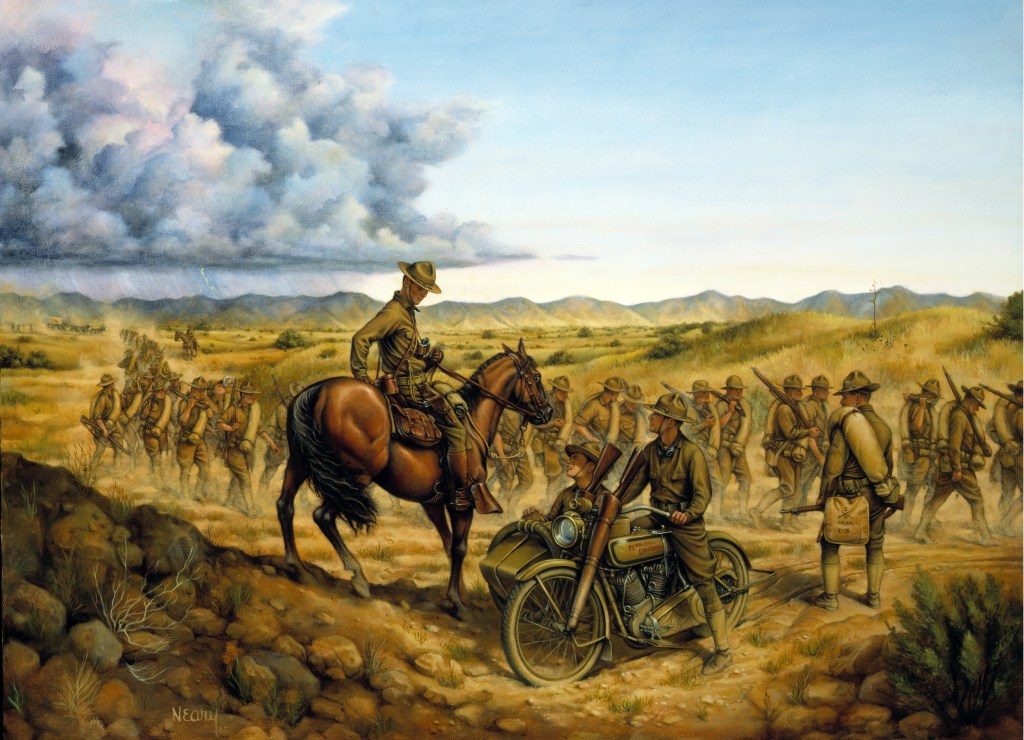
By 1917, U.S. entry into World War I was imminent.
The United States had remained isolated from the world economically and politically, but was to begin a transformation into a world power. A mostly rural agricultural and small town society would start to be exposed to industrialization on a large scale.
People who had never ventured further than neighboring counties would travel to other states and other countries.
1915 was the peak year for the number of horses on U.S. farms before they were replaced by tractors. About half the U.S. population lived on farms.
Cities were growing much more rapidly than rural areas due to industrialization, immigration, and The Great Migration to northern cities. By 1920, over half the U.S. population would live in cities.
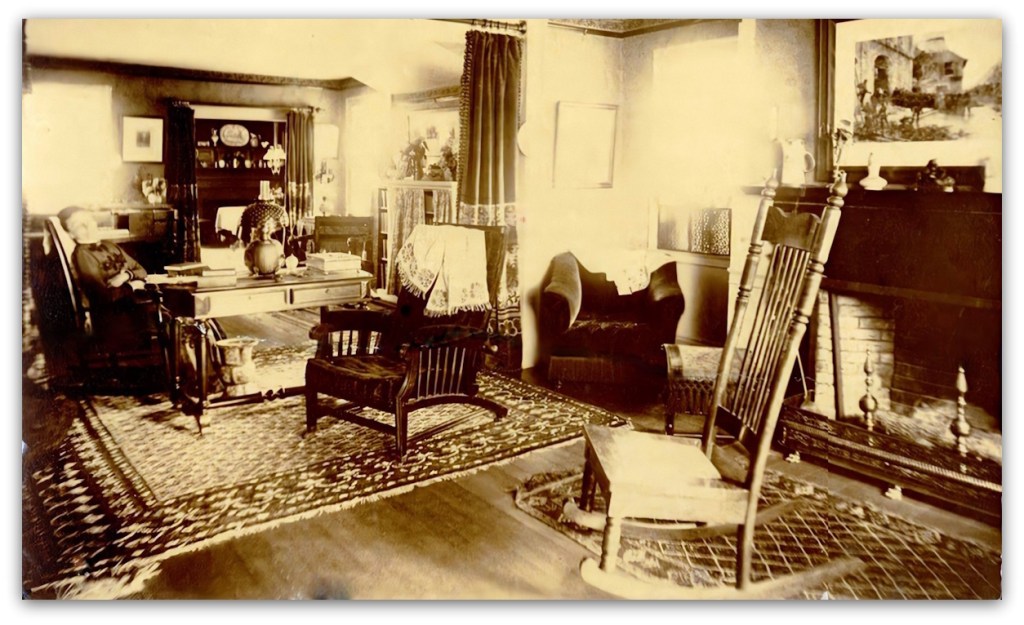
Homes with electricity, plumbing, and telephones were rare, but would boom in the coming years. Automobiles were becoming commonplace, if not essential.
While the World War raged in Europe, the U.S. was focused on domestic issues.
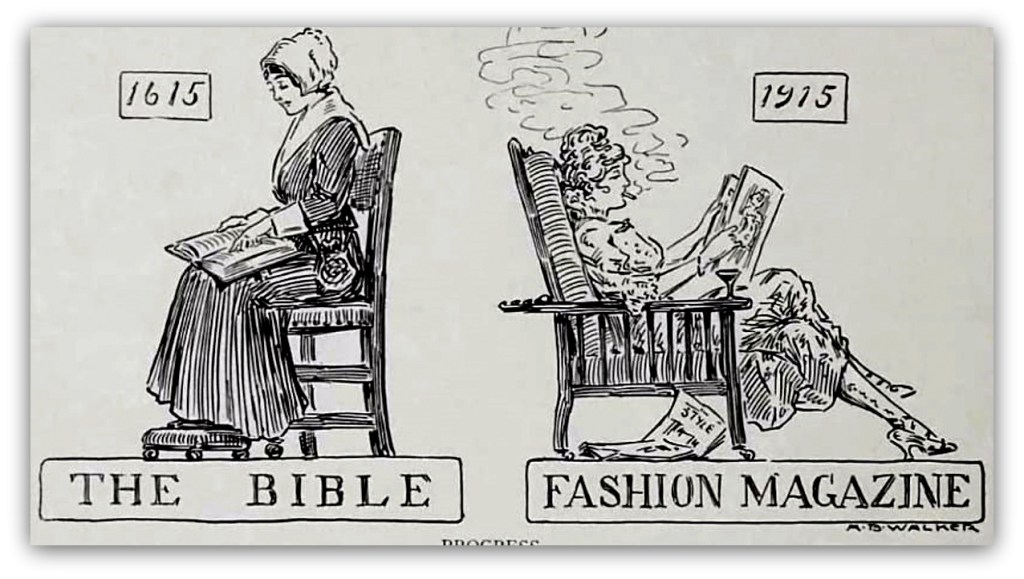
In 1915, life had changed in the almost 300 years since the Cheneys arrived in Maryland.