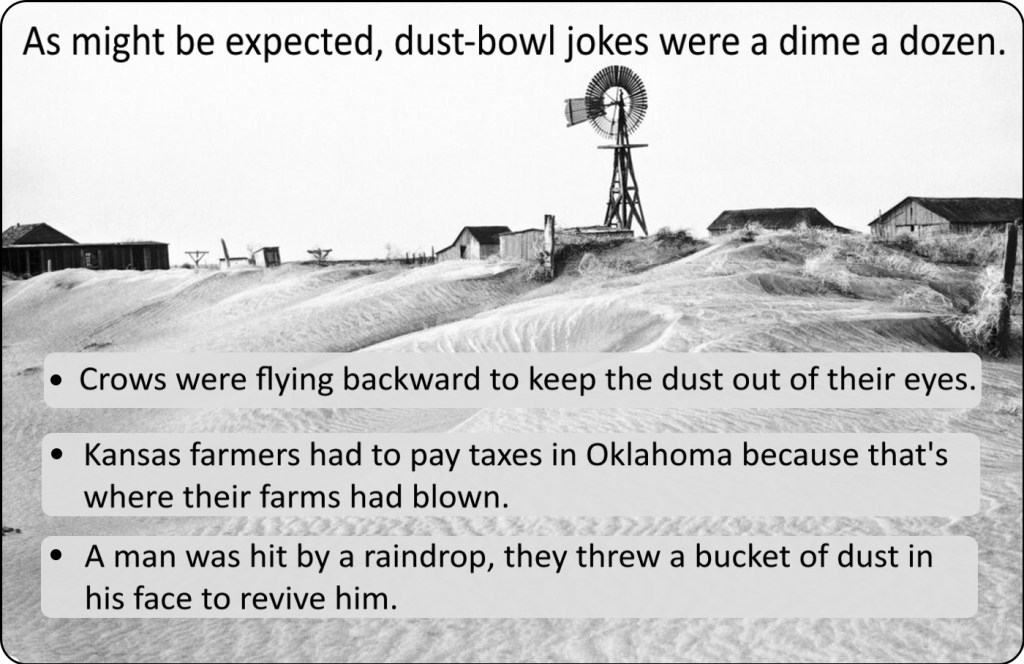
As 1934 began, 25% of workers in the United States were unemployed. That was true in Kansas, and there were additional problems:
- Dust storms were causing crop failures
- Farmers were losing their farms
The Depression in Geary County
Junction City and Geary County suffered the effects of the depression, but by 1934 and 1935, relief efforts were beginning to ease the pain.
Controversy aside, by 1935 relief had become part of the American way of life. In Kansas nearly one out of five individuals received some form of relief.
Making Do and Doing Without – Kansas in the Great Depression
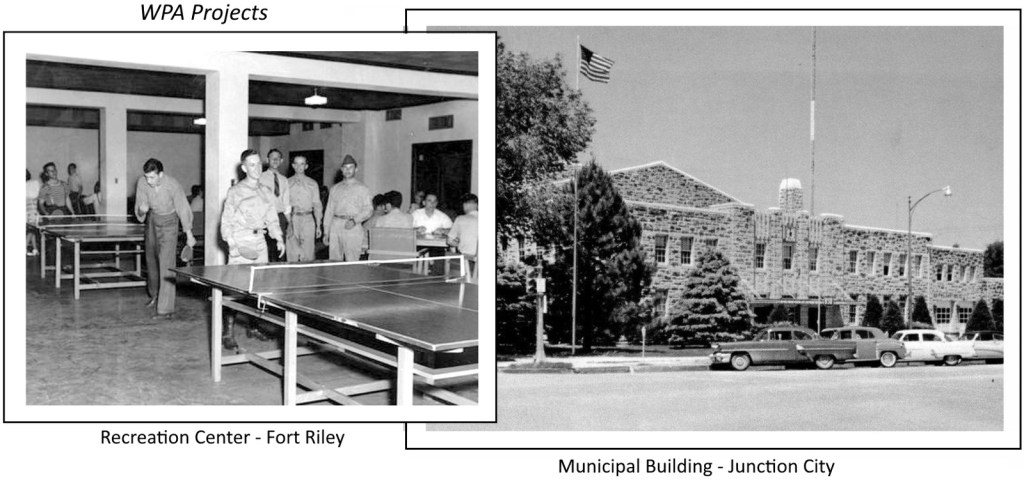
By 1935, the Works Progress Administration (WPA) replaced several other relief programs. The idea was to put people to work on civic projects, thus taking them off the relief rolls. By the end of 1935, over 40,000 Kansans were employed on WPA projects.
Several major buildings in Junction City were WPA projects. Fort Riley, the economic engine of Junction City, also had WPA projects.
Despite the economic challenges of the Great Depression, several public buildings were constructed during this period, often through Works Progress Administration. Some of these were a new U.S. Post Office, a new Municipal Building that housed City Hall, police and fire services, and a new public auditorium.
Junction City, Kansas – Legends of Kansas
Henry moved back
Henry Gallagher had moved away from Junction City in 1931 when he was transferred to Cole’s store in Lawrence, Kansas. In 1933, when Henry quit his job at Cole Brothers, he and his mother Ellen moved again, first to Sedalia and then to Coffeyville.
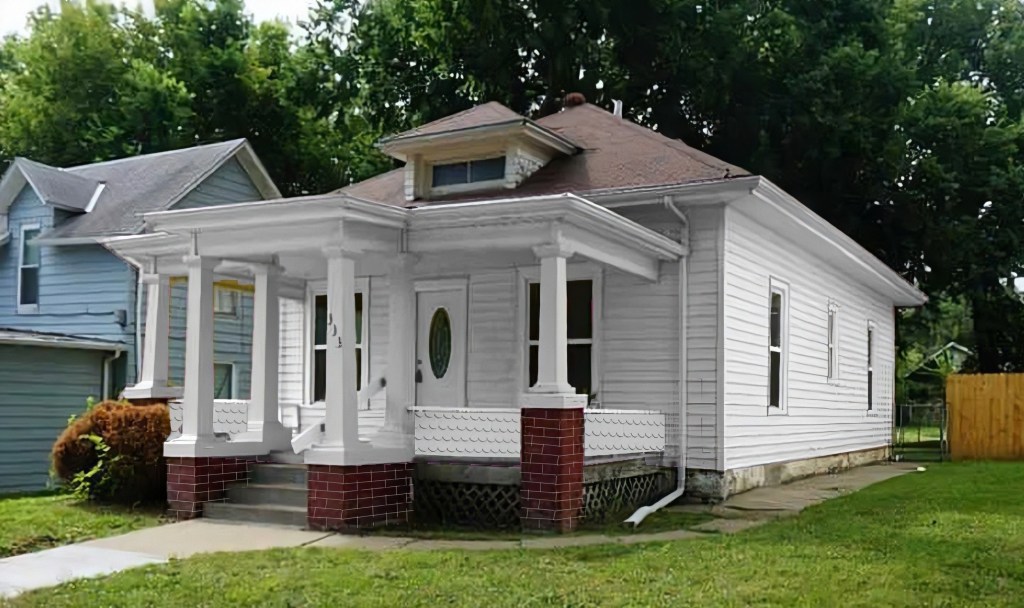
Now, in 1934, Henry and his mother moved back to Junction City, into the house Henry still owned at 333 West Second Street.
Donahoes moved to Junction
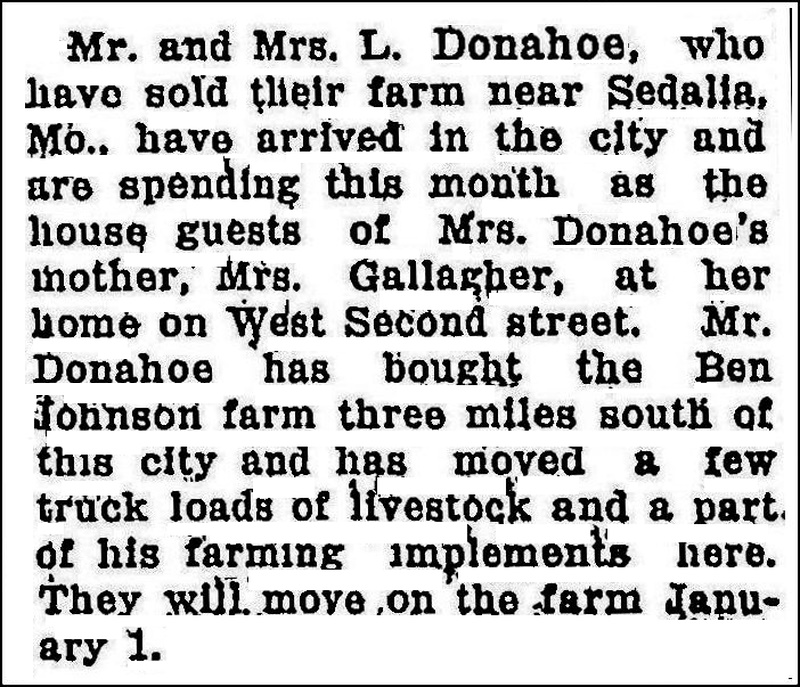
Shortly after Henry and his mother Ellen moved back to Junction City, Ellen’s daughter Nell Donahoe and her family joined them. The Donahoes sold their Sedalia farm, and moved to a farm three miles south of Junction City.
Family visits
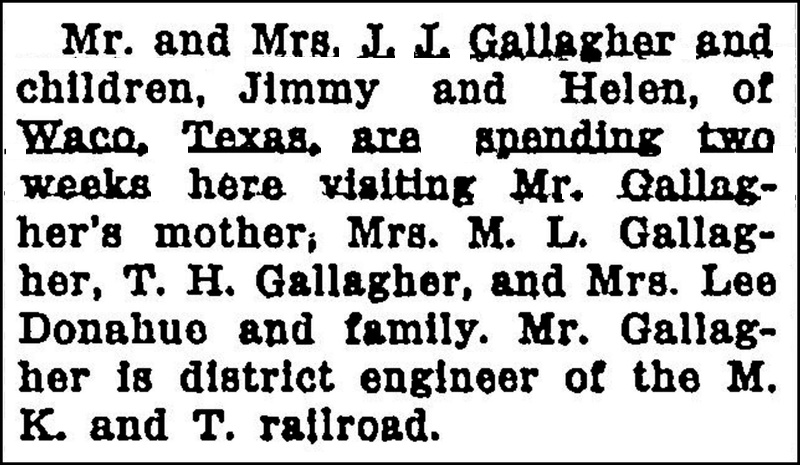
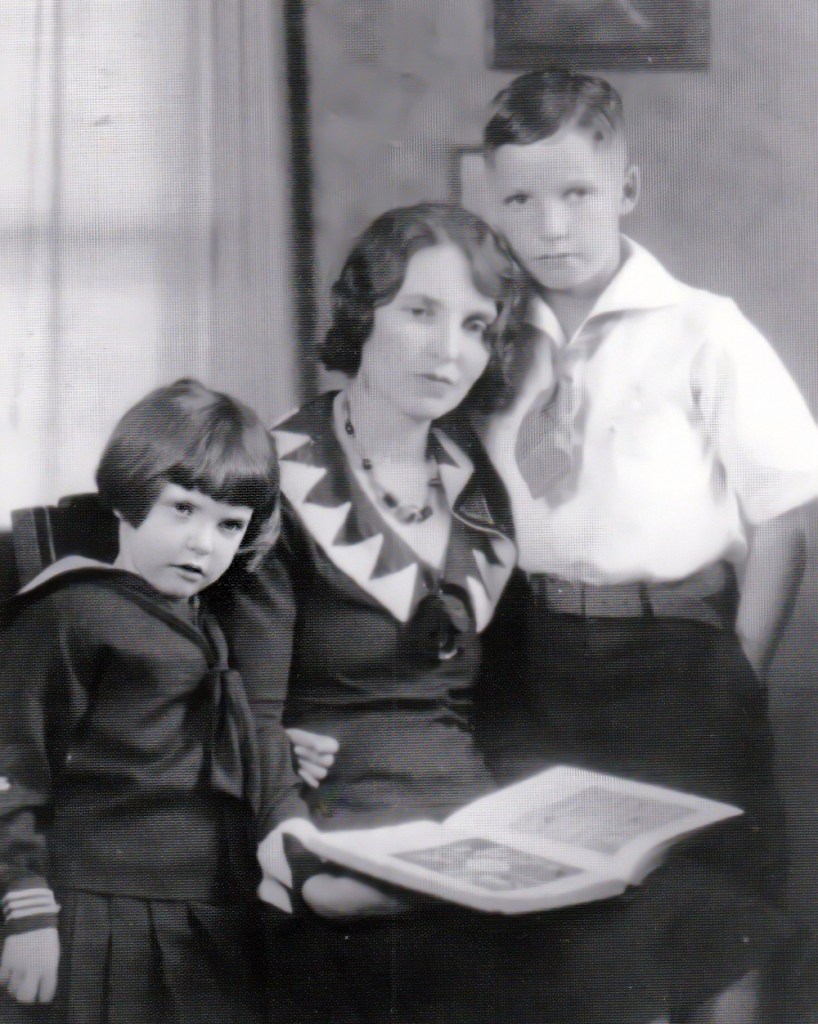
With their mother and two siblings living in Junction City, there were frequent visits from Tom Gallagher and family from Sedalia, and from Jim Gallagher and family from Texas.
WA Bingham
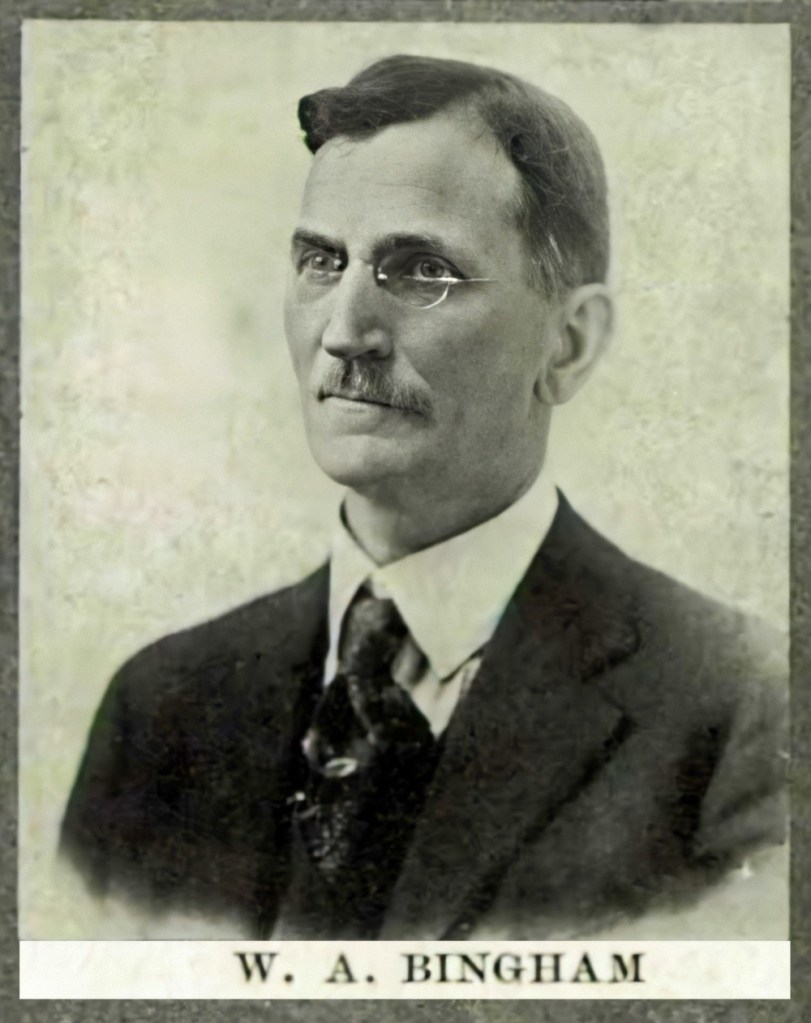
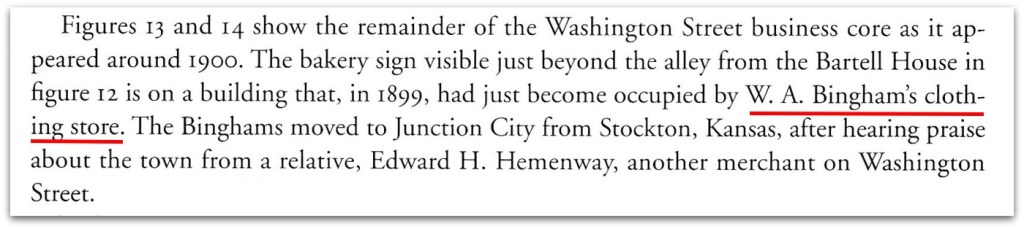
William Bingham was born in Michigan in 1858. His family moved to western Kansas in the 1880s, and then to Junction City. Will married May Hemenway, whose father was a merchant in Junction City.
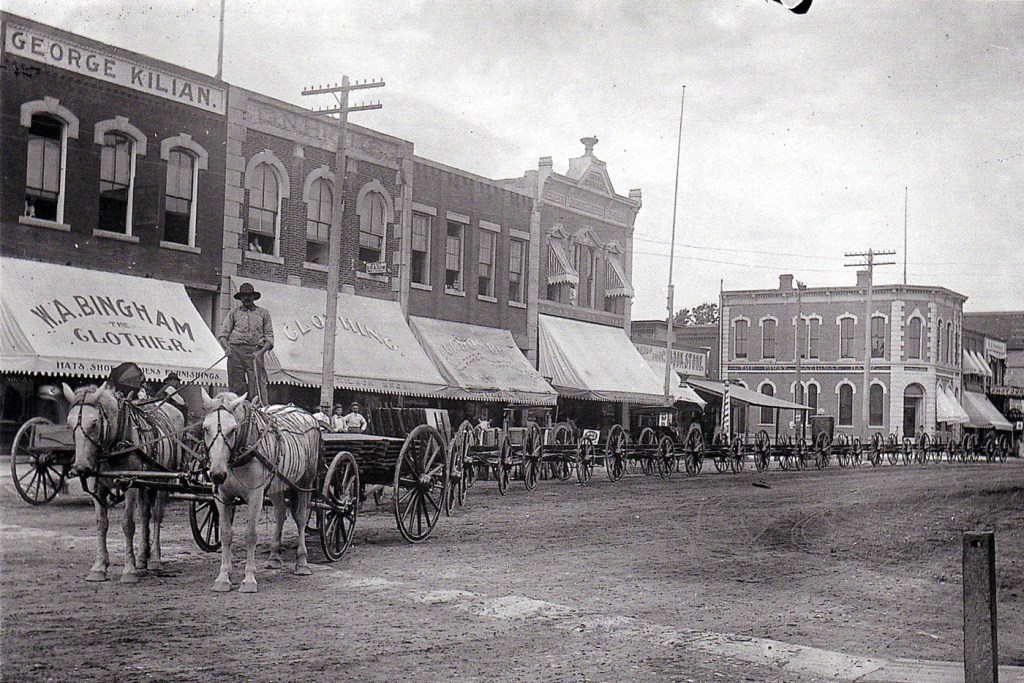
Will Bingham opened a men’s clothing store in Junction City in the late 1890s. For three decades, Bingham was a prominent men’s clothier in town.
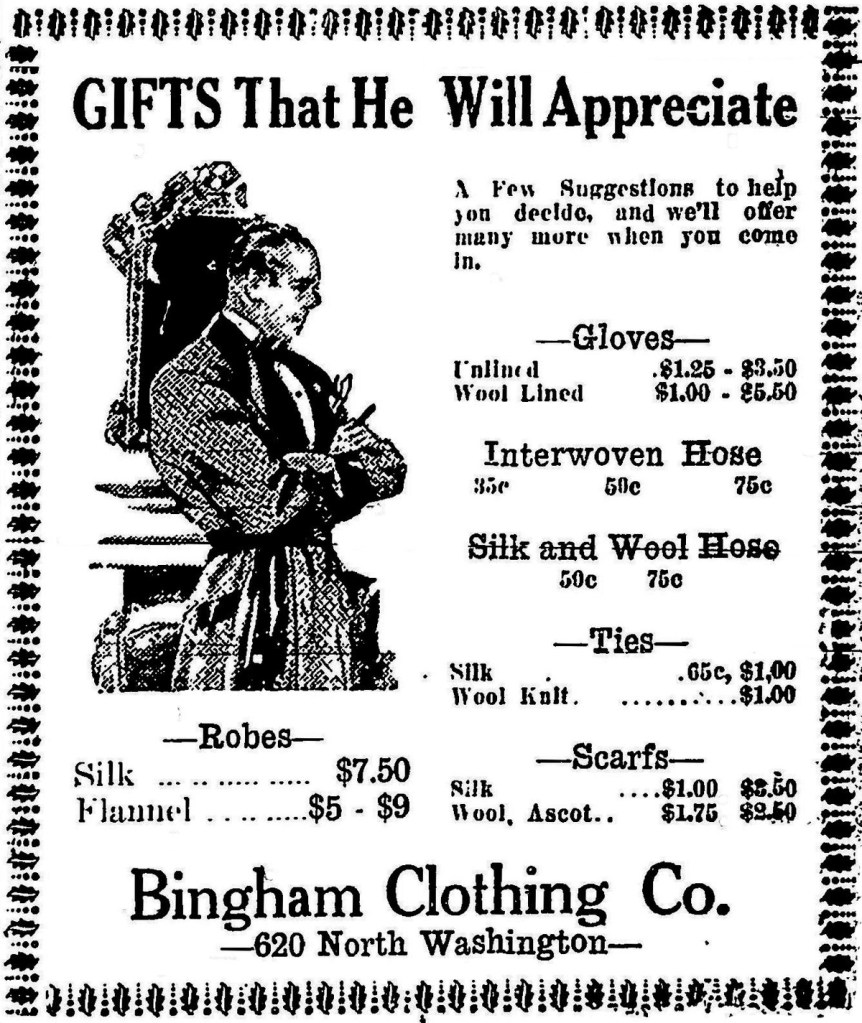
Bingham’s salesmen
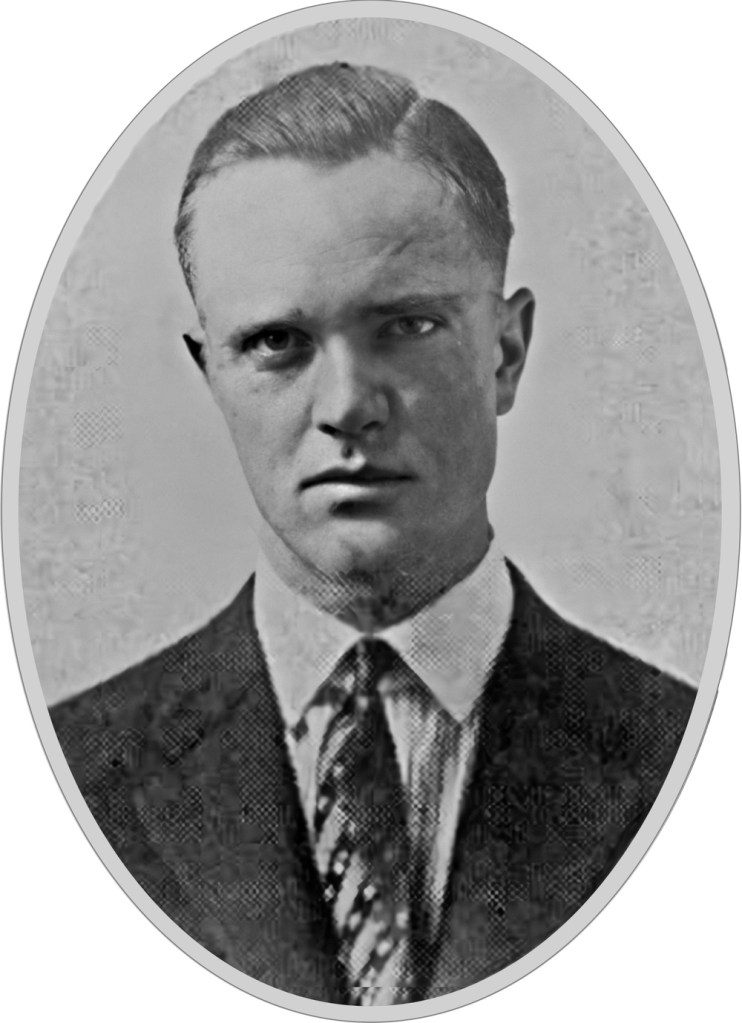
When Dan and Marjorie Spencer moved back to Junction City from Clay Center in 1930, Dan took a job at W.A. Bingham Clothing Company as a salesperson. He joined another local young man, William Hood, who was also a salesperson.
Will Bingham was a mentor to his two young salesmen.
W.A. Bingham died
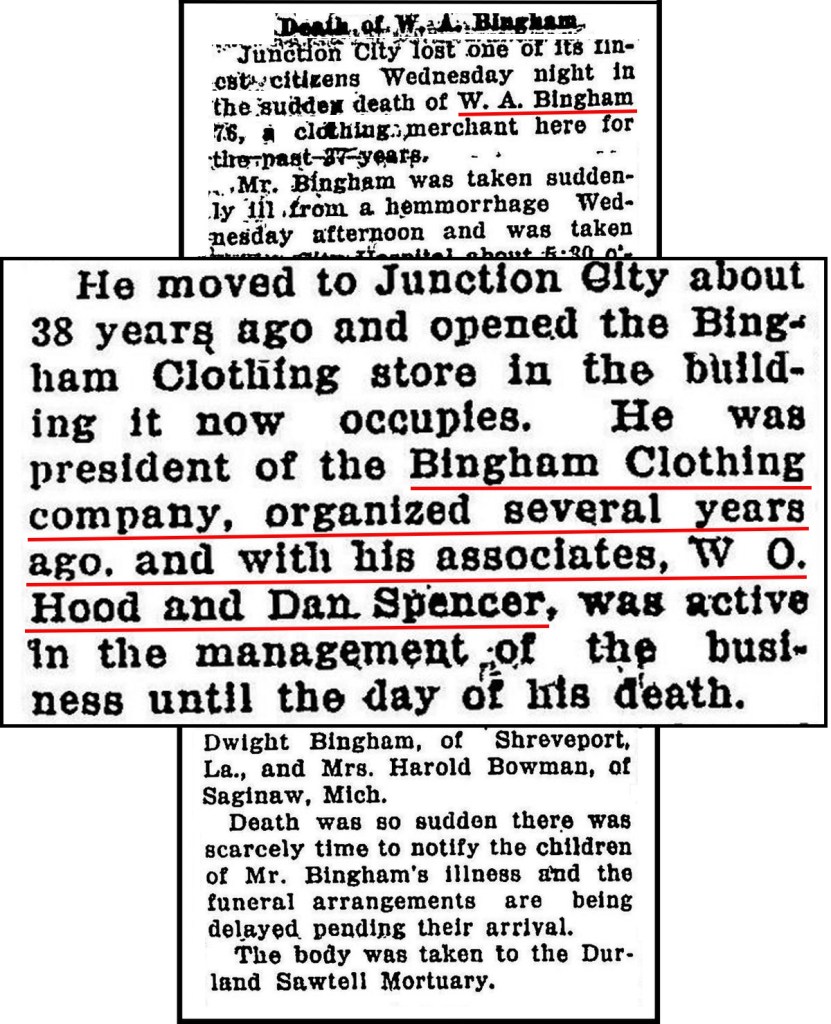
W.A. Bingham died October 31, 1934, at the age of 76.
Hood-Spencer Clothing Company
In the years before his death, William Bingham had arranged a deal with Dan Spencer and Will Hood to share ownership of the business. After he died in November 1934, the business stayed open, run by Dan and Will.
By February 1935, Hood and Spencer had worked through the legal details and had been granted a charter for their successor business, Hood-Spencer Clothing Company.
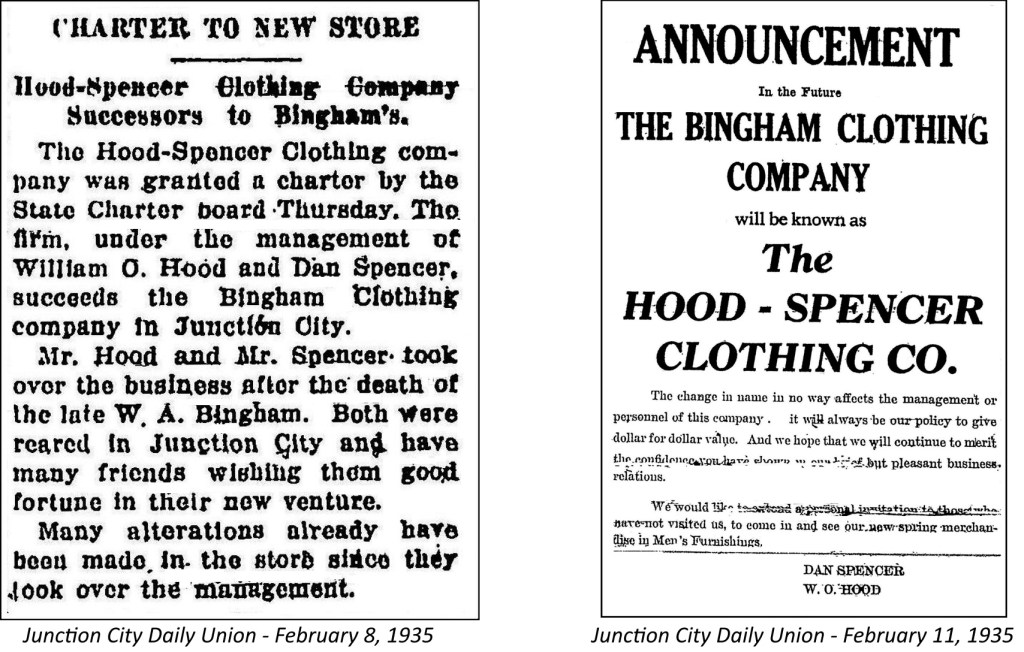
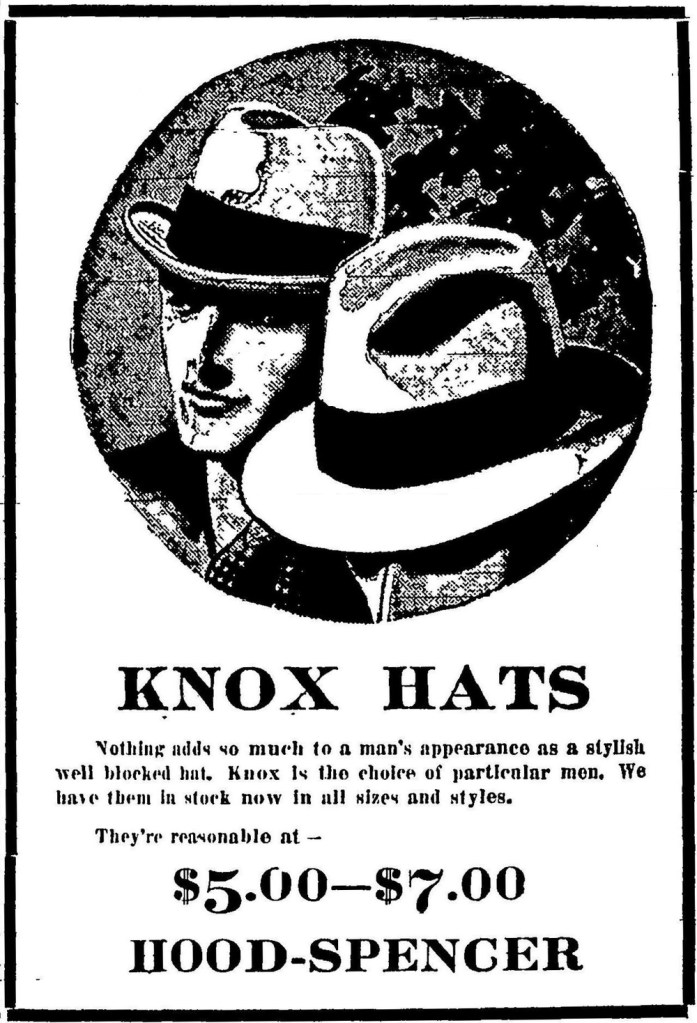
1935 was the middle year of the Great Depression. Was that a good year to start a clothing store business? On the other hand, Bingham Clothing had a great reputation in Junction City, and many loyal customers.
We’ll have to wait and see if Dan Spencer and Will Hood can make a go of it.
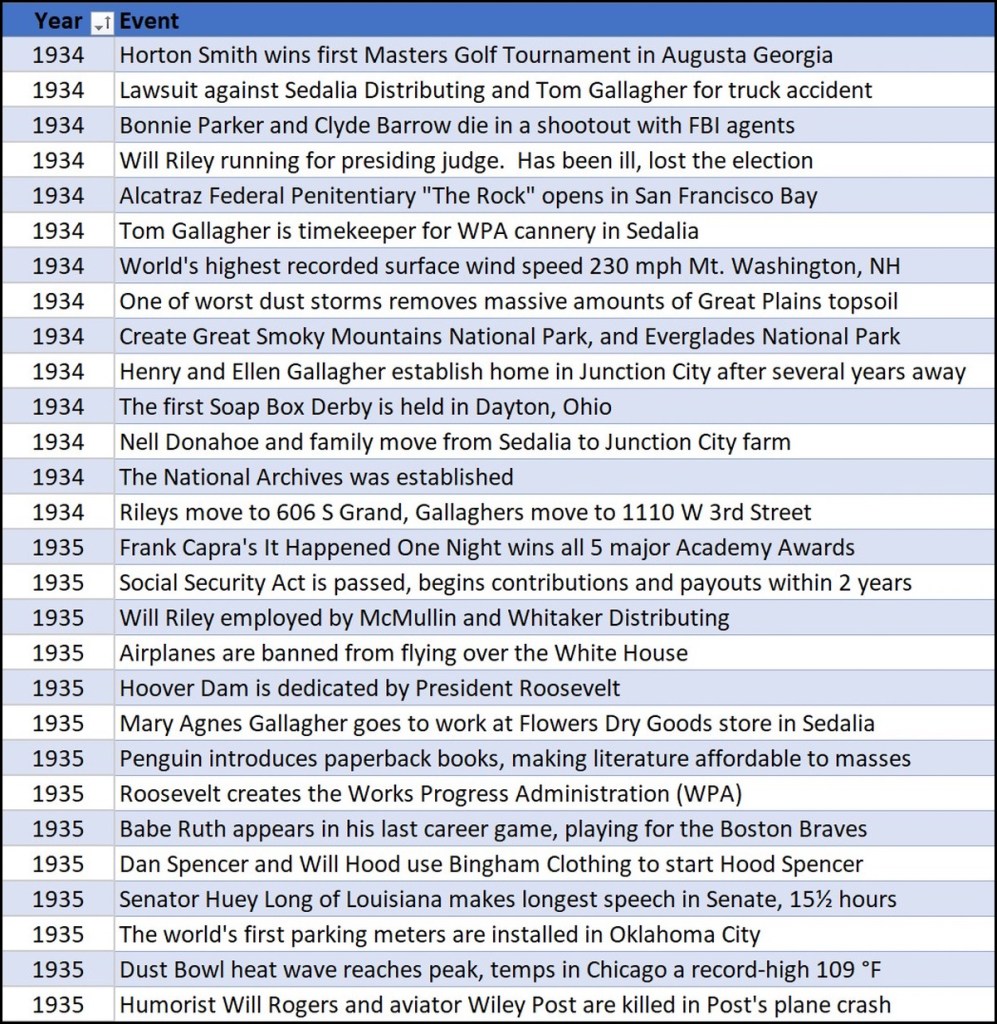
Timeline
Sources
- Newspaper articles – The Junction City Daily Union – various dates – newspapers.com
- Newspaper articles – The Junction City Republic – various dates – newspapers.com
- Newspaper articles – The Sedalia Democrat – various dates – newspapers.com
- Newspaper articles – The Junction City Daily Union – various dates – The Community History Archive of the Dorothy Bramlage Public Library – Junction City, Kansas – https://jclib.advantage-preservation.com/
- Quotations – Depression in Kansas – Making Do and Doing Without: Kansas in the Great Depression – Division of Continuing Education, University of Kansas – 1983 – kupce_1983_823613.pdf (14.89Mb)
- Quotation – WPA projects in Junction City – Junction City, Kansas – Legends of Kansas – https://legendsofkansas.com/junction-city-kansas/
- Image – Helen, Nell, and Jimmy Gallagher – Brosseau Family Photos – Jim Brosseau collection
- Image – 333 West Second Street, Junction City – photo by Mark Jarvis – 2023
- Image – W.A. Bingham Clothier – building facade – 1899 – Our Town On the Plains – J.J. Pennell’s Photographs of Junction City, Kansas – James R. Shortridge
- Image – W.A. Bingham – The Pow Wow – Junction City High School Yearbook – 1923 – ancestry.com
- Image – Dan Sage Spencer – The Pow Wow – Junction City High School Yearbook – 1923 – ancestry.com
- Music – naamloos – Fess Williams and his Royal Flush Orchestra – 1930 – A hodge-podge of off-beat Jazz 2 1926-1930 (MFC 5) – by Satyr-78rpm – https://ia904505.us.archive.org/8/items/14-a-hodge-podge-of-off-beat-jazz-2-1926-1930-mfc-5_20210630/05%20A%20hodge-podge%20of%20off-beat%20Jazz%202%201926-1930%20MFC-5.mp3
 Family Nibbles
Mark, you have a talent for cliffhanger endings 😄😄😄
LikeLike