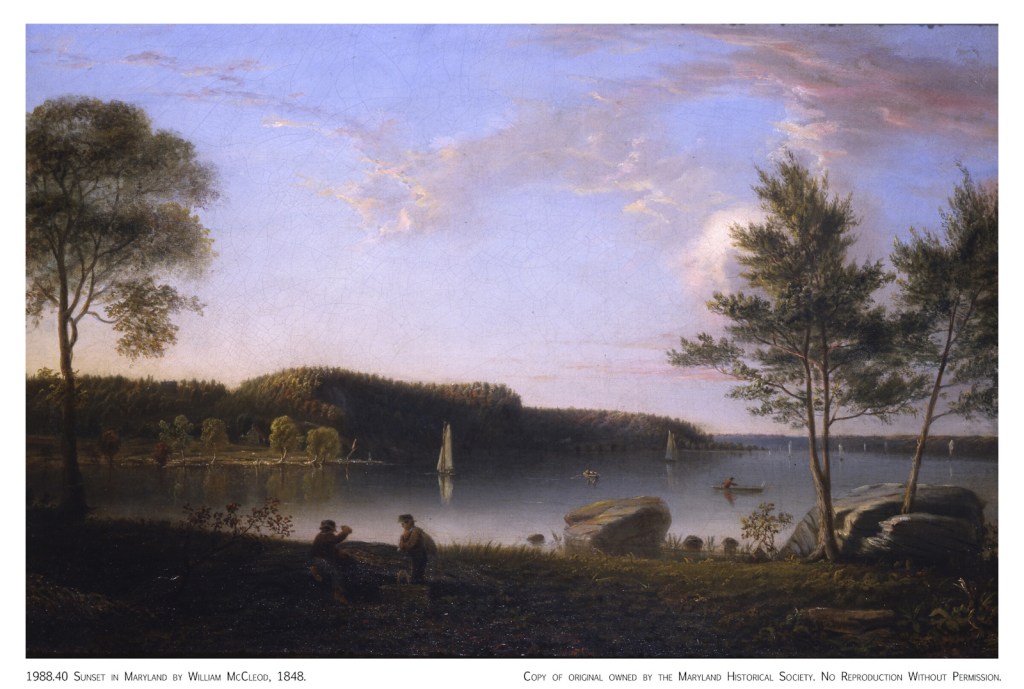
Richard and Charity Cheney lived near the South River in Anne Arundel County in the Province of Maryland.
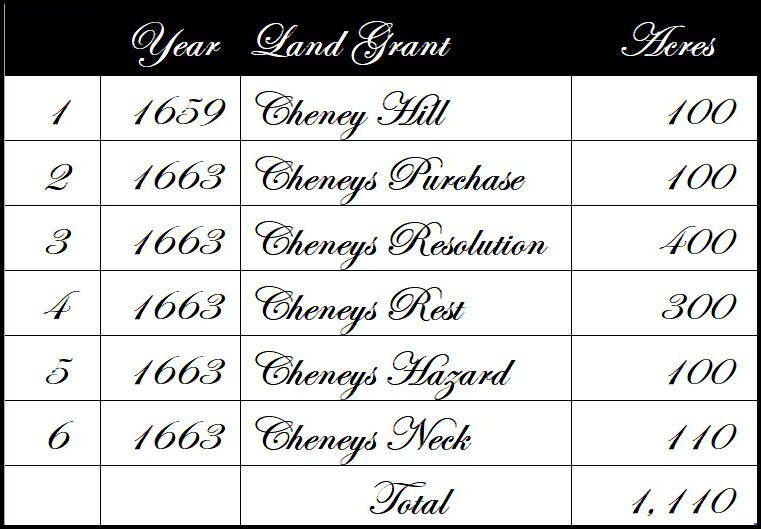
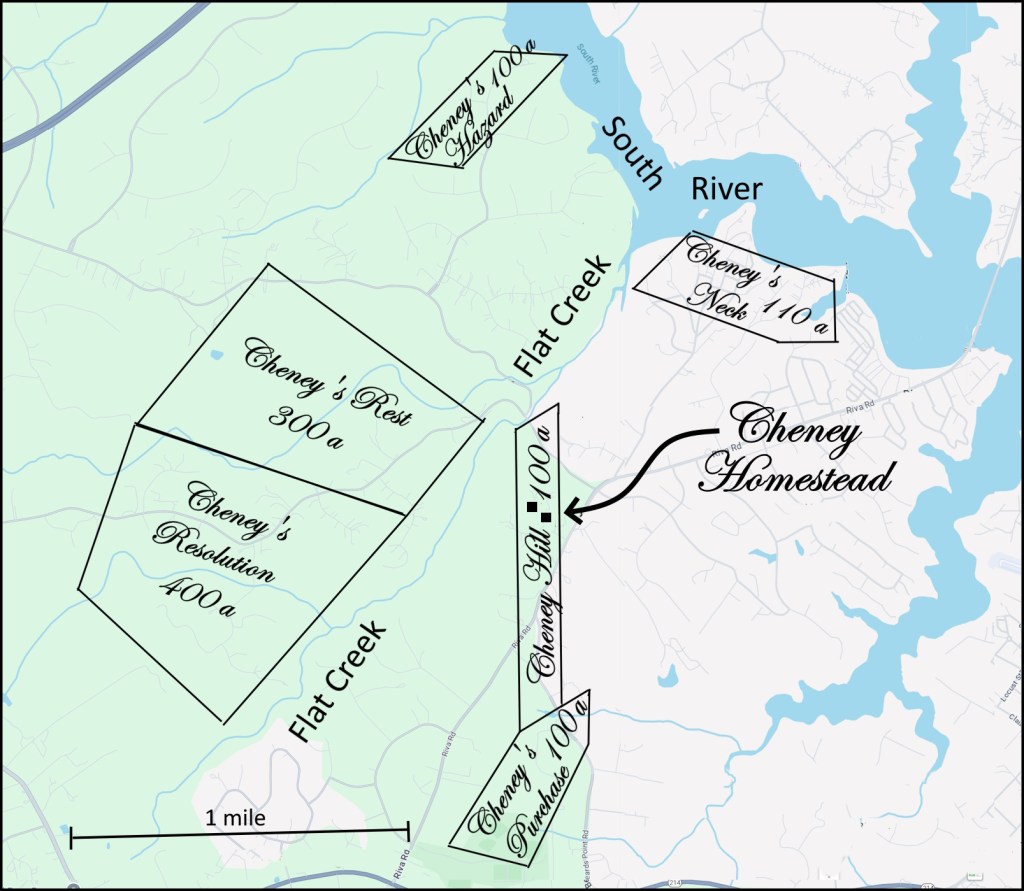
In 1659, they had been granted one hundred acres of land, a grant named Cheney Hill.
Before roads carved paths through the wilderness and towns dotted the shoreline, the South River flowed quietly past dense forests and open marshes. It was here, along this river in Maryland, that Richard and Charity Cheney established roots.
Subsistence
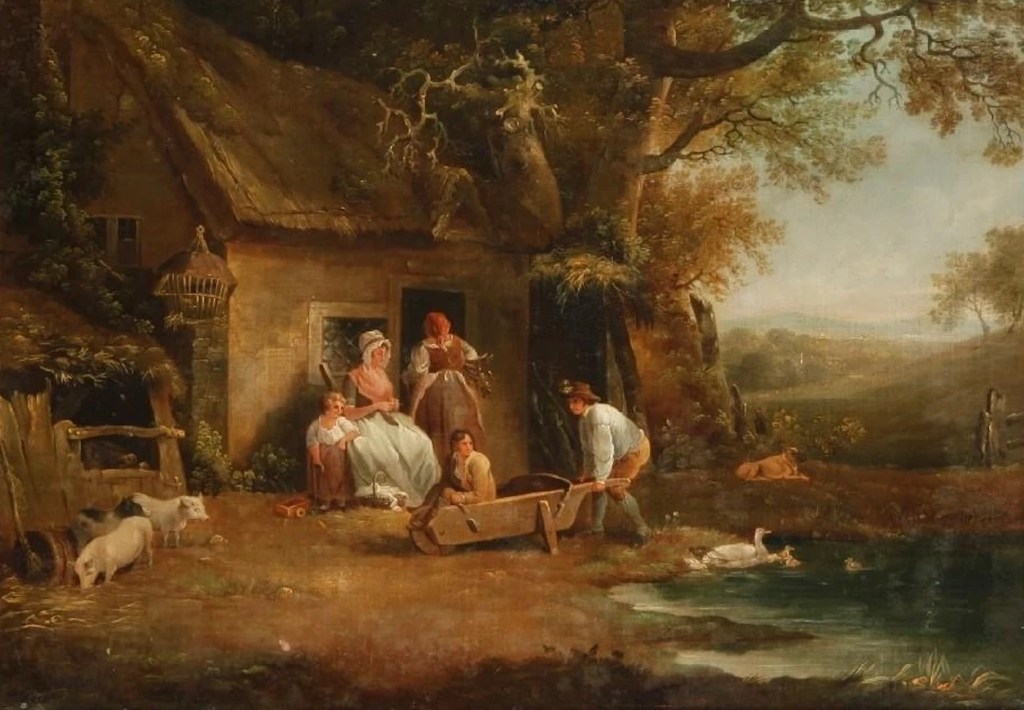
The Cheneys relied on farming and foraging. Corn was the “go to” crop, often ground into meal for bread or porridge. They grew vegetables like beans, squash, and pumpkins.
Hunting and fishing provided deer, wild turkey, and fish from the South River. Livestock, including pigs and chickens, supplemented their diet. They salted and smoked food to keep through the winter.
Children
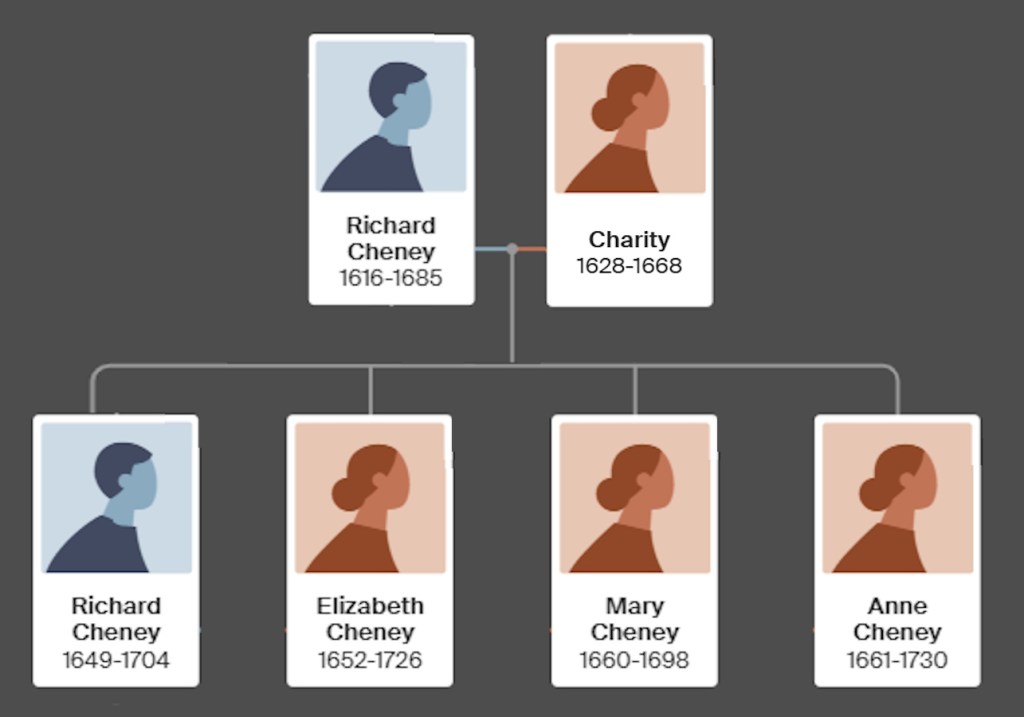
The Cheney’s first child, Richard, was born around 1649. We know he was born after their arrival in Maryland, or they would have claimed another 50 acres for transporting their child.
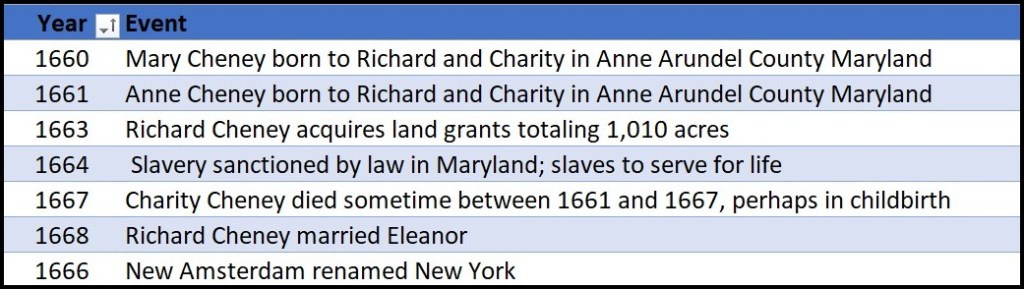
Other children followed – Elizabeth in 1652, Mary in 1660, and Anne in 1661.
As the Cheney family grew, so did their land holdings.
Cheney plantation
In the years following their first patent, the Cheneys would add land holdings of more than 1,000 acres.
The Cheneys were granted 50 acres of land for each settler they transported into Maryland. “Transported” means they arranged and paid the fare to bring someone to Maryland. Some of those may have come as indentured servants, working and farming for the Cheneys to repay their passage.
Here are the Cheney land grants:
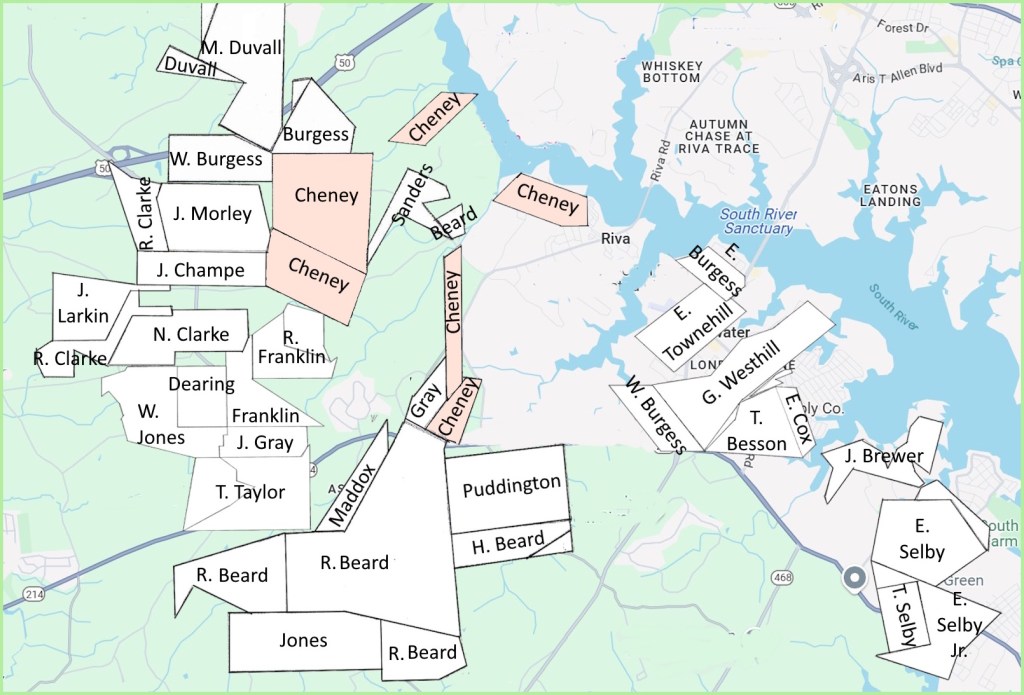
Here are Cheney land grants superimposed on a contemporary map. Cheney Hill’s location is known, but the others are my best guess.
South River settlers
Richard and Charity Cheney were part of a large influx of settlers beginning in 1650. In the sixteen years since Maryland’s founding in 1634, Maryland’s population had grown to 4,500.
Along the South River, others were taking up patents on neighboring lands. These neighboring families would interact and intermarry with Cheneys for generations.
In 1650, a large group of land holders settled near Colonel William Burgess, the merchant whose vessels brought 150 settlers. Burgess’ brother-in-law Richard Beard was a Cheney neighbor.
Joseph Morely and his son-in-law John Freeman took up at the head of South River. Adjoining them were John Gaither and Robert Proctor, both heirs of Joseph Morely.
Mareen Duvall, the Huguenot immigrant from Nantes, France, came with Colonel Burgess.
Captain George Puddington had land near the Cheneys. Neal Clarke, related to both Puddington and Beard, was an adjoining neighbor near the head of South River.
Here’s a look at some of the land grants of Cheney neighbors.
Tobacco
Maryland began its planting with corn and tobacco, and, in the absence of either paper or metal money, tobacco soon became the currency of the country, and the standard of values.
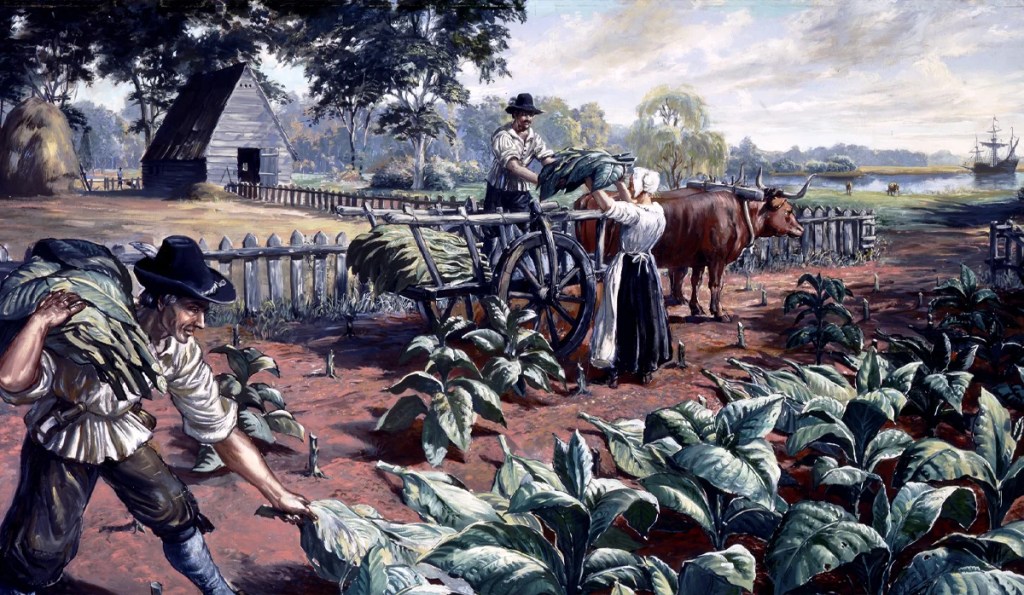
Taxes could be paid with tobacco. Courts levied fines in tobacco. Debts were paid using tobacco. Tobacco quickly became the main industry in Maryland, and its biggest export.
To expand their tobacco production, planters needed additional labor. Planters paid for passage for indentured servants from England to work their fields.
Indentured servitude
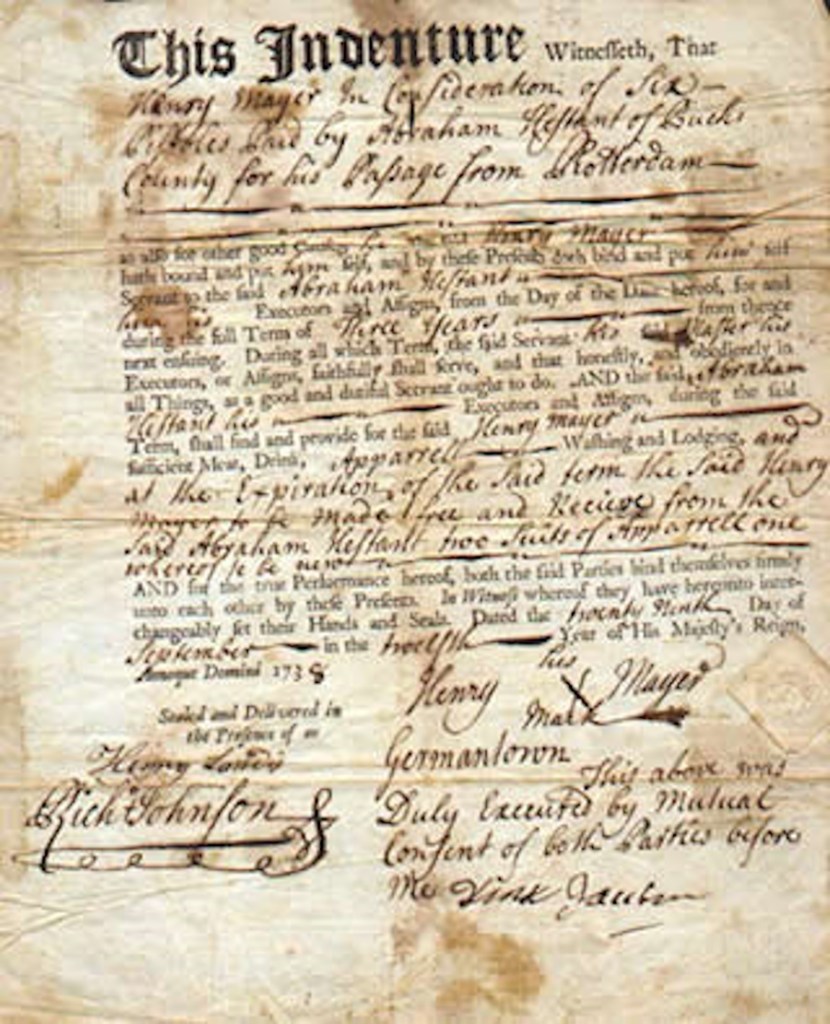
Indentured laborers, mostly white, dominated the Maryland workforce throughout the 17th century.
The Peopling of Maryland Colony – National Park Ethnography Program
About 70% of all immigrants were indentured servants. People from all over England, aged 15 to 30, traveled to Maryland to work as servants. Most were male, with a ratio of 6 males to 1 female. Half were agricultural workers. Skilled workers were in the building trades, leatherwork, clothing, and food and drink. Others were unskilled workers.
The typical immigrant servant would work for seven years to repay their passage. Then they could try to acquire land, although much of the land had already been claimed by those who came earlier and gained large plantations.
Slavery
Slavery began in Maryland in the second half of the 17th century. Before that, blacks could come to Maryland as indentured servants. After their indenture, they were free and could acquire land and participate in civil assemblies.
In 1664 the Maryland Assembly enacted a law that enslaved people should be held in slavery for life. Most other colonies passed similar laws.
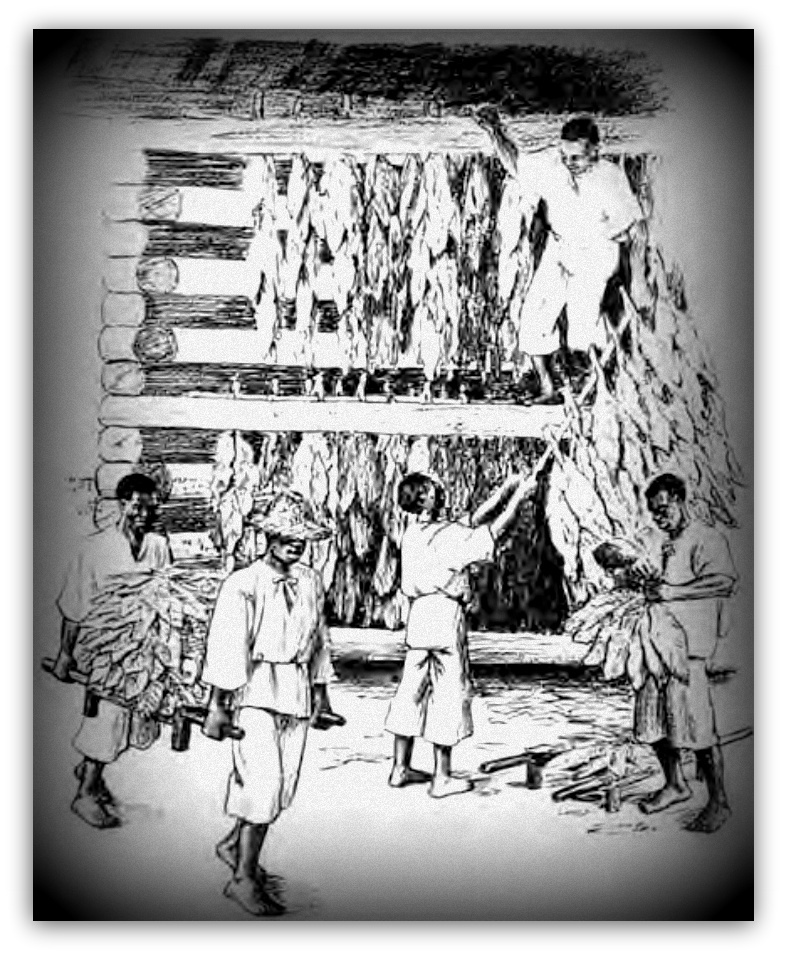
As the 17th century closed there were far fewer enslaved Africans in Maryland than in Virginia. In the four counties along the lower Western shore of Maryland, there were only 100 enslaved Africans in 1658, about 3% of the population.
The Peopling of Maryland Colony – National Park Ethnography Program
In 1700, Maryland had a population of about 25,000. Fewer than 1,000 were African slaves. The number of slaves would increase dramatically in the next decades. Black slaves would replace white indentured servants as the primary source of plantation labor.
Native Americans
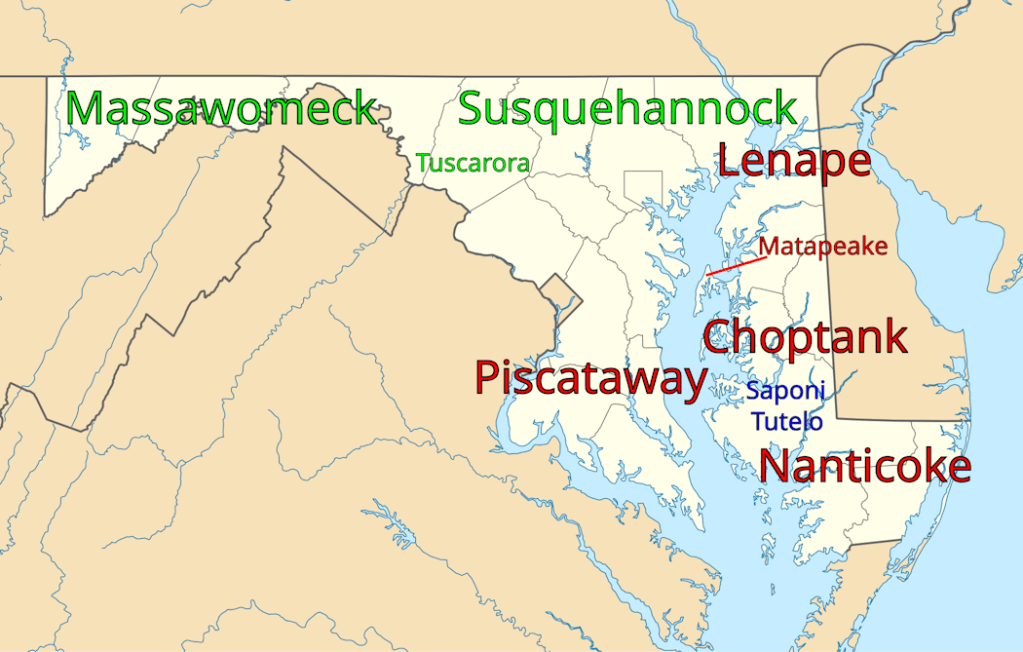
At the time of the founding of the Maryland colony, approximately forty tribes lived in the area. They were fearful of the colonists’ guns, but welcomed trade opportunities for tools, guns, and cloth.
By the 1670s, the relationship began to sour. Colonists took more and more land. Native Americans responded with violence, which provoked retribution. Despite various treaties in the 18th and 19th centuries, the Native American people were often dispossessed of their lands. Many left the Chesapeake for the Great Lakes and Indian territory later to become Oklahoma.
It was complicated
I don’t intend for you to read the following events in detail. I just want you to see how complicated the politics and power struggles were in the 20 years after the Cheneys obtained their land grants.
- 1663, Nov. 17. Governor Charles Calvert formally acknowledged “Sundry Complaints” from Queen of Portobacks, relating to English encroachment on their “ancient plantacons”; English inhabitants of Province are barred from taking up any land within three miles of Indian settlements.
- Slavery sanctioned by law; slaves to serve for life.
- 1664, June 27. Governor Charles Calvert declared war on Senecas.
- 1665, Oct. 10. Governor Calvert ordered a reservation to be laid out for Mattawomens, upon their “oulde Habitacons”; any Englishman taking up land within three miles of reservation was ordered to be imprisoned for twelve months.
- Somerset County established by order in Council.
- Assembly agreed to 1-year cessation on tobacco growing, but Cecil Calvert, 2nd Lord Baltimore, vetoed bill.
- A Character of the Province of Maryland, by George Alsop (c. 1636-c. 1673), published (London)
- St. Mary’s City incorporated.
- 1667, Aug. 6. Wicomisses, and “all other Indians that shall receive, harbor, or entertain them,” declared enemies of the Province, per gubernatorial proclamation.
- 1668, May 1. Treaty with Nanticokes.
- 1668/69. Feb. 16. Dorchester County known to have been established by this date, when a writ was issued to county sheriff.
- Choptank Indian Reservation laid out near Cambridge.
- Voting restricted by Governor to planters with 50-acre freehold or property worth 40 pounds; officeholding restricted to owners of 1,000 acres.
- Authoritative map of Maryland (engraved, London, 1673) completed by Augustine Herrman.
- 1670, July 20. Piscataways petitioned the Calverts for a continuation of peace.
- 1672, Oct. George Fox (1624-1691), founder of Religious Society of Friends (Quakers), preached in Anne Arundel County. Friends form Baltimore Yearly Meeting.
- Cecil County erected from Baltimore and Kent counties by proclamation of Governor.
- 1675-1677. Maryland and Virginia war against remaining Susquehannocks.
- Brick State House completed at St. Mary’s City, replacing Country’s House.
- In Lower House, Proprietor limited delegates to two per county, though four for each county were elected.
- 1676-1679. Thomas Notley, governor.
- 1678, June 16. Treaty between Maryland and Assateague Emperor Amonugus ordered Assateagues onto five reservations along Pocomoke River.
- 1679-1684. Charles Calvert, 3rd Lord Baltimore, governor.
- Governor granted county courts jurisdiction over civil suits.
- Piscataways abandoned Piscataway Fort on Piscataway Creek, moving to Zekiah Swamp to escape raids of Iroquois and Susquehannocks; Zekiah Fort established east of present-day Waldorf near Piney Branch by Gov. Charles Calvert for protection of Piscataway.
- Josias Fendall (c. 1628-1687) found guilty of conspiracy by Provincial Court, which fined and banished him.
- Sheriffs of Counties instructed to elect two delegates per county to Lower House, despite 1678 law requiring four delegates.
- Quakers began building Third Haven Meeting House (completed 1684), Talbot County.
- 1682, Oct. 26. Charles Calvert, 3rd Lord Baltimore, announced that only two delegates would be sent from each county to the Lower House in order to reduce costs.
- 1682, Dec. 13. William Penn met at Harwood with Charles Calvert, 3rd Lord Baltimore.
- Assembly passed Act for Advancement of Trade (town act).
- Labadist community settled at Bohemia Manor.
- 1683, May 15. Proprietor replaced headright system of land grants with “caution money” or outright purchase.
Tobacco Colony
Maryland’s existence as a tobacco colony had begun. Tobacco would bring Maryland fortune, but also slavery, land overuse, and military conflict. The Cheneys were smack in the middle of this.
Timeline
Sources:
- Family Tree diagrams – Ancestry.com and Mark Jarvis
- Image – Sunset in Maryland – William McCleod – 1848 – Maryland Center for History and Culture – https://www.mdhistory.org/resources/sunset-in-maryland/
- Maps showing land grant locations – contemporary Google Map views with land grant locations added by Mark Jarvis
- Quotes – Indentured servants and Slavery – The Peopling of Maryland Colony – National Park Ethnography Program – https://www.nps.gov/ethnography/aah/aaheritage/chesapeakeb.htm#:~:text=From%20the%20beginning%2C%20the%20Maryland,colonists%20brought%20Africans%20with%20them.
- Image – Indenture contract of Henry Meyer 1738 – History of Slavery in Maryland – Wikipedia – https://en.wikipedia.org/wiki/History_of_slavery_in_Maryland#:~:text=Slavery%20in%20Maryland%20lasted%20over,crops%20was%20strong%20in%20Europe.
- Image – Enslaved men working in a tobacco barn – A Guide to the History of Slavery in Maryland – Maryland State Archives – https://msa.maryland.gov/msa/intromsa/pdf/slavery_pamphlet.pdf
- Image – Harvesting Tobacco – National Park Service – https://www.nps.gov/jame/learn/historyculture/a-short-history-of-jamestown.htm
- Image – Map of tribal areas – Indigenous peoples of Maryland – Wikipedia – https://en.wikipedia.org/wiki/Indigenous_peoples_of_Maryland
- List – Maryland historical events 1663-1683 – Maryland at a Glance – Historical Chronology – https://msa.maryland.gov/msa/mdmanual/01glance/chron/html/chron16.html
- Audio – Rufty Tufty – John Playford – 1651 – Hesperus – Early American Roots – https://archive.org/details/hesperus-early-american-roots/Early+American+Roots/03+Cuckolds+All+In+A+Row+-+Rufty+Tuf.mp3
 Family Nibbles