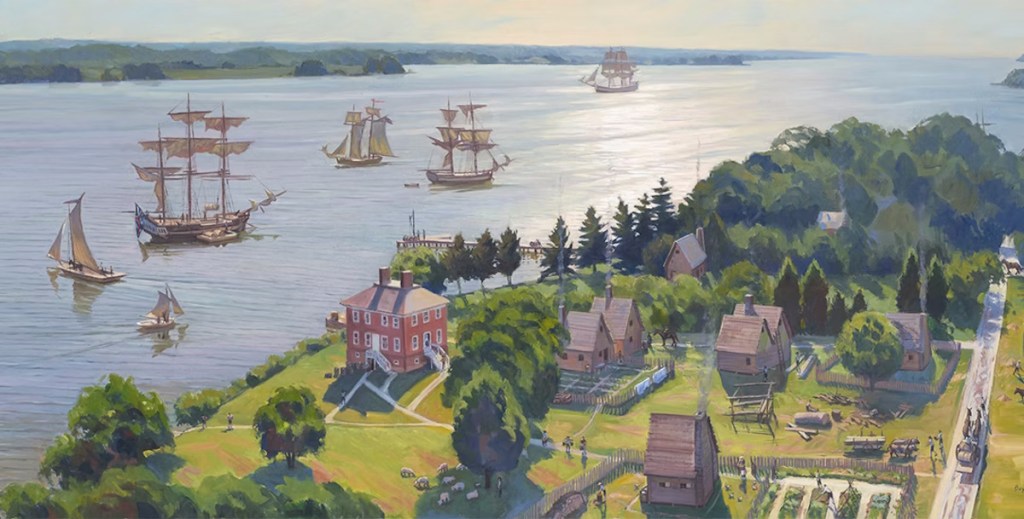
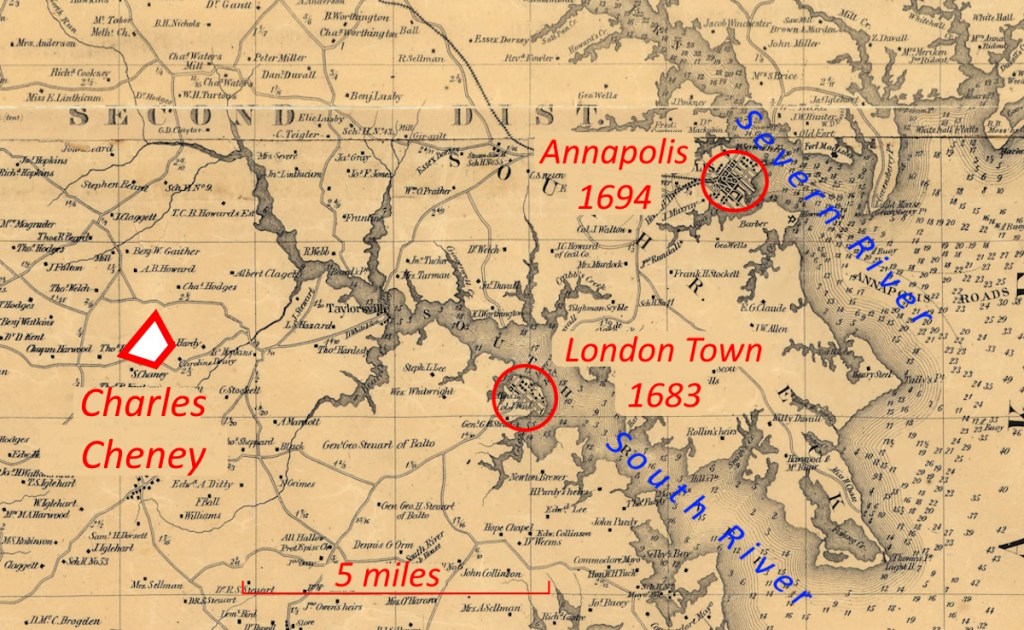
Charles Cheney’s neighbor Col. William Burgess had built a wharf on the South River and laid out some lots for a town. He named it London Town.
London Town – historic painting – Lee Boynton – 1997
In 1683, the Maryland General Assembly organized a plan to regulate sale and shipping of tobacco through designated ports. Anne Arundel County had three official ports, including London Town. London Town was made the county seat.
Ships up to 160 tons could navigate the three miles up the South River from Chesapeake Bay. It was the best location for ships taking on tobacco from the areas south of the river. There was also a ferry crossing at London Town, so the town developed services and stores for the people and traffic that funneled through the crossing.
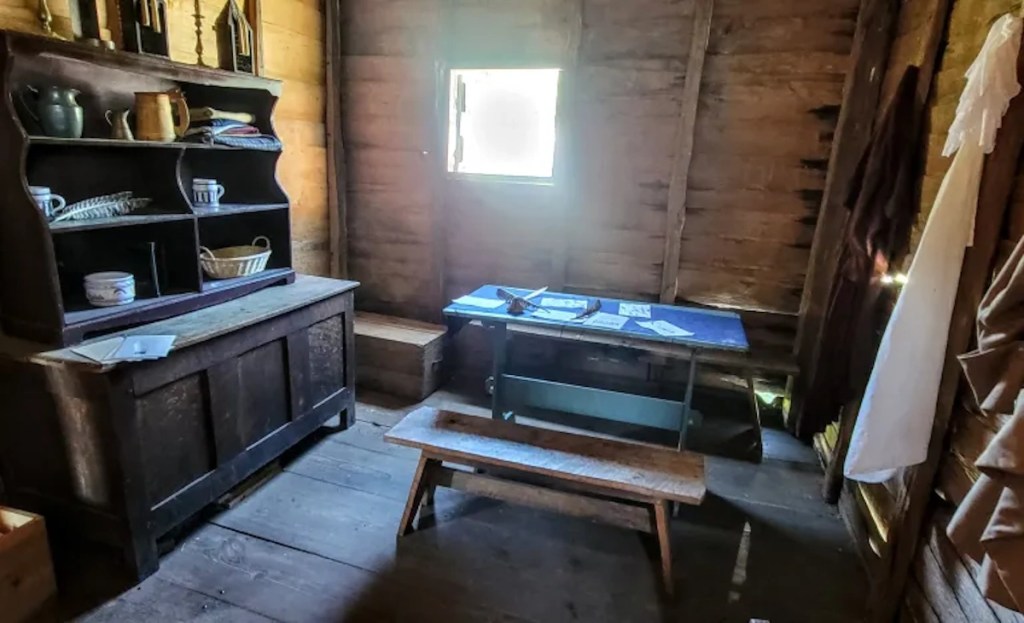
London Town – William Brown tavern
Planters brought their hogsheads of tobacco by land or in small boats to the port. Local merchants kept the tobacco in warehouses until sold to ships for transport to England.
Charles Cheney’s plantation was less than five miles from London Town. There’s no doubt that Cheney tobacco was carted or floated to London Town for export to England.
From 1705 to 1762 hundreds of tobacco ships made more than 585 voyages to Anne Arundel County. Thirty-eight percent of them (231) came to South River and London Town. The Severn River and Annapolis received 20 percent and the West River 13 percent of the county’s tobacco shipping.
Trade in Colonial Anne Arundel county: The Tobacco Port of London Town
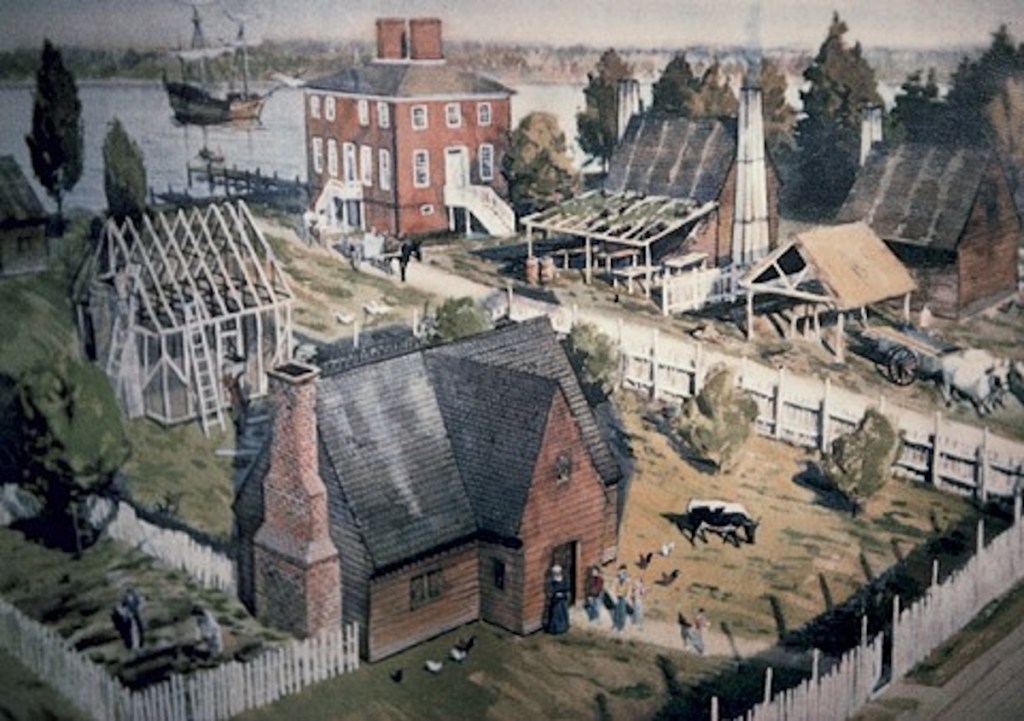
London Town – architectural recreation – Lee Boynton – 1977
Throughout the life of Charles Cheney and his family, London Town was an important port town, and the center of cultural life for the area. London Town’s prime years were 1700 through 1750, the same years the Cheneys were in their prime.
The Cheneys frequented London Town’s services and hospitality.
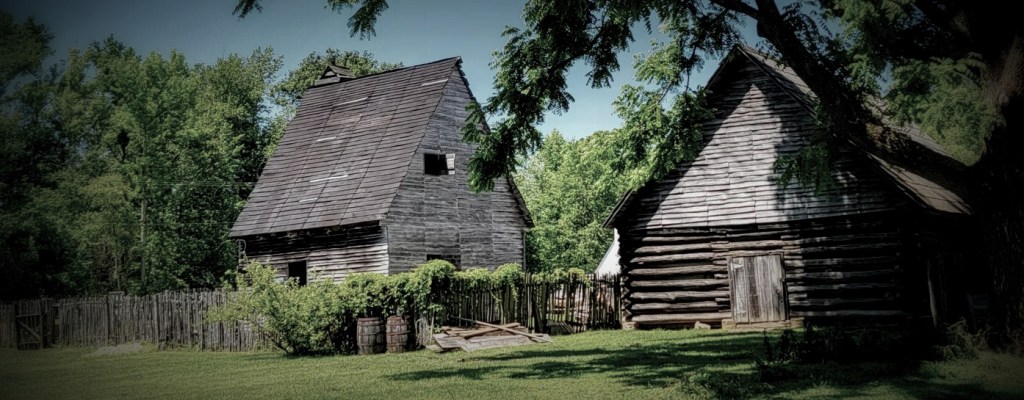
London Town – house and barn
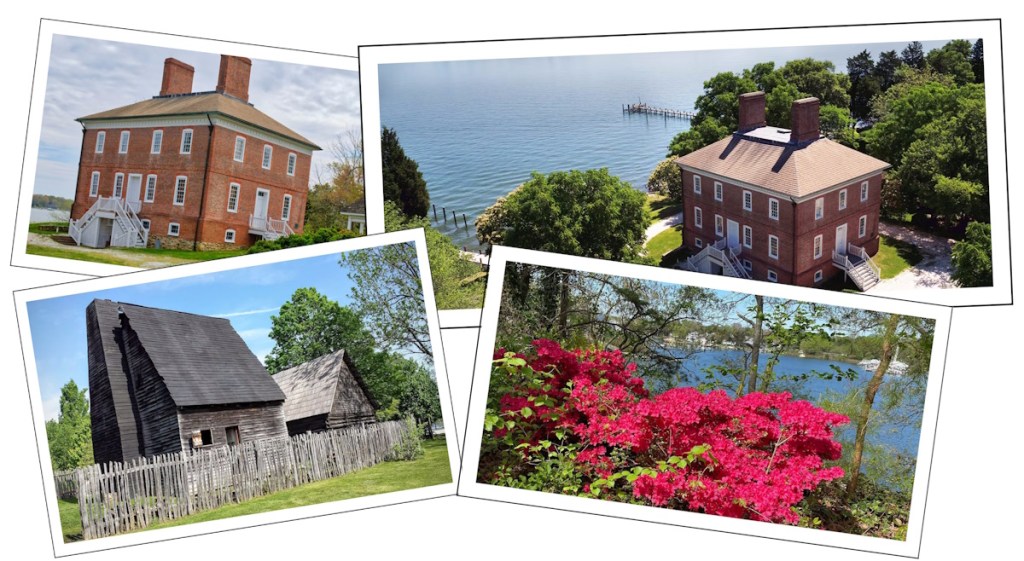
London Town today
Historic London Town & Gardens hosts some colonial era buildings, an 18th century tobacco barn, and some demonstration gardens.
Puritan exiles from Virginia established a settlement on the Severn River as Providence in 1649. The settlement was less than ten miles northeast of London Town. It also had a port, but on the Severn River. The town was also known as Townland at Proctor’s, Towns at the Severn, and Anne Arundel Town.
In 1694, Providence was renamed Annapolis and became the county seat and the state capital.
Maryland tobacco today
Maryland growers produced about 600,000 pounds of tobacco in 2022, the USDA said — a 14-percent decrease from 2017 and part of a dramatic decline in tobacco farming nationwide.
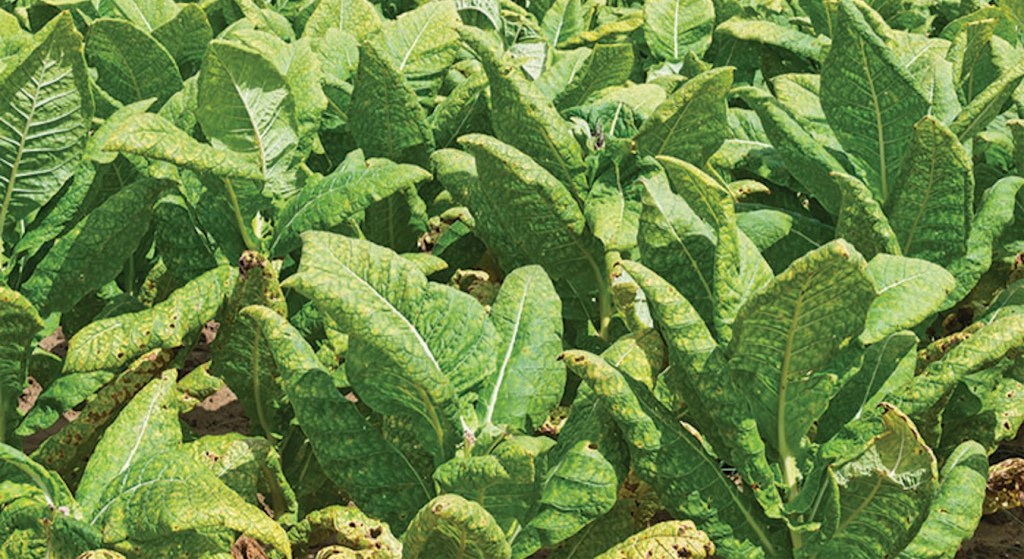
Tobacco (Nicotiana tabacum) growing in a field in Southern Maryland. Historically an important crop for the region, dating back to when the United States of America was a colony of England. Today it is not easy to find tobacco growing in this region. Photo taken on an Amish farm late-August 2012 in Charlotte Hall, Maryland USA
Production in the United States fell nearly 40 percent between 2017 and 2022 to about 432 million pounds while the number of tobacco farms fell by more than half to 2,987, according to the department’s 2022 Census of Agriculture released in February.
Regional and nationwide production continues to fade as the number of U.S. smokers declines and U.S. imports rise, said Ben Beale, a University of Maryland Extension agent in St. Mary’s County.
The Delmarva Farmer
Anne Jones Cheney
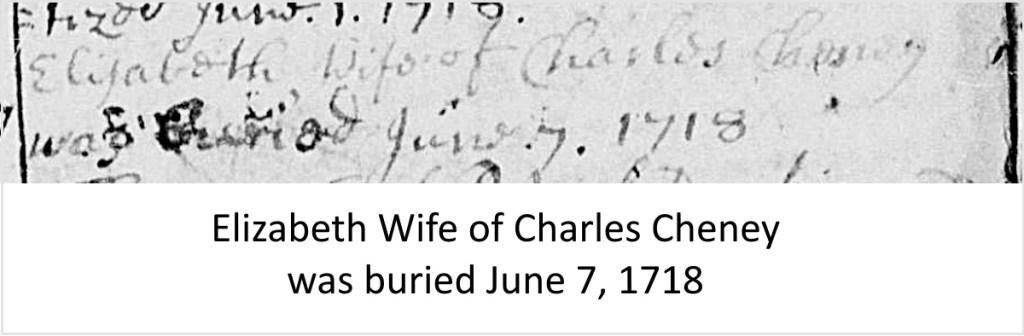
Anne Cheney died in 1718. The genealogical proof is hazy, but I am proposing that Anne died in 1718, mistakenly named in the All Hallows parish register as “Elizabeth, wife of Charles Cheney”.
Elizabeth Green Cheney
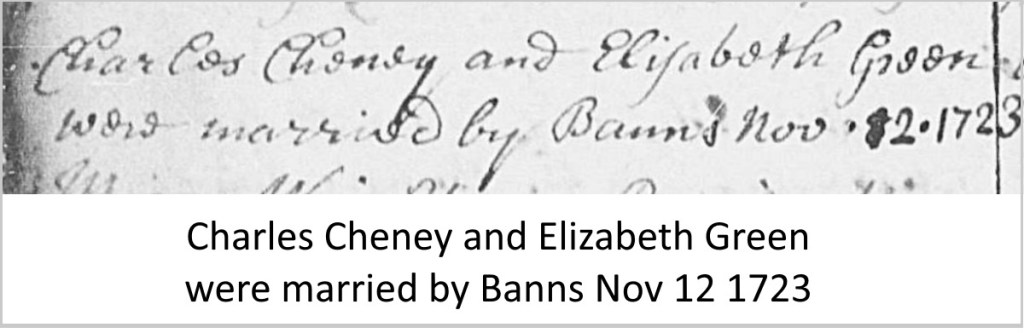
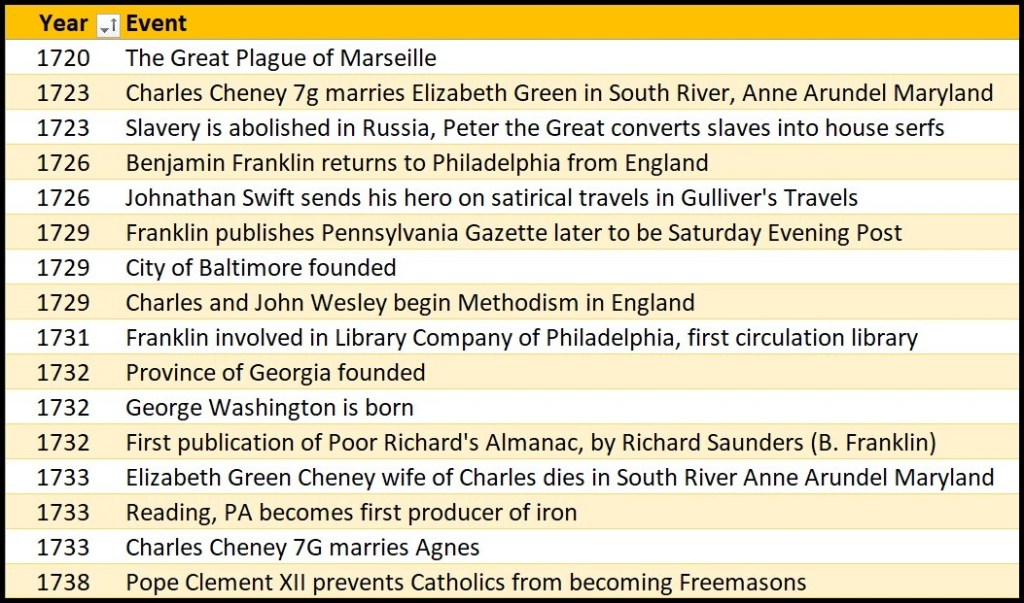
Charles Cheney married Elizabeth Green in 1723.
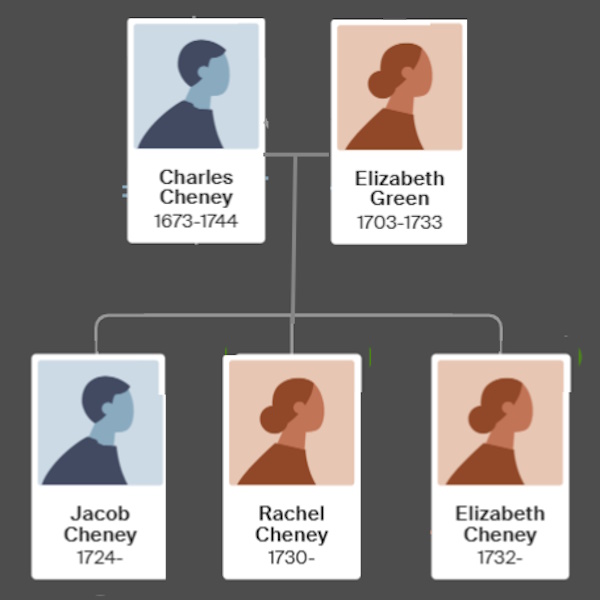
Over the next few years, Charles and Elizabeth had three children – Jacob (1724), Rachel (1730), and Elizabeth (1732).
Charles and Elizabeth Cheney and children
Elizabeth Cheney died in 1733. We don’t know, but her death could be related to childbirth of her daughter Elizabeth in October 1732.
Agnes Cheney
Charles Cheney married Agnes around 1733. We don’t know her family name or background. Charles and Agnes didn’t have children.
Charles Cheney died
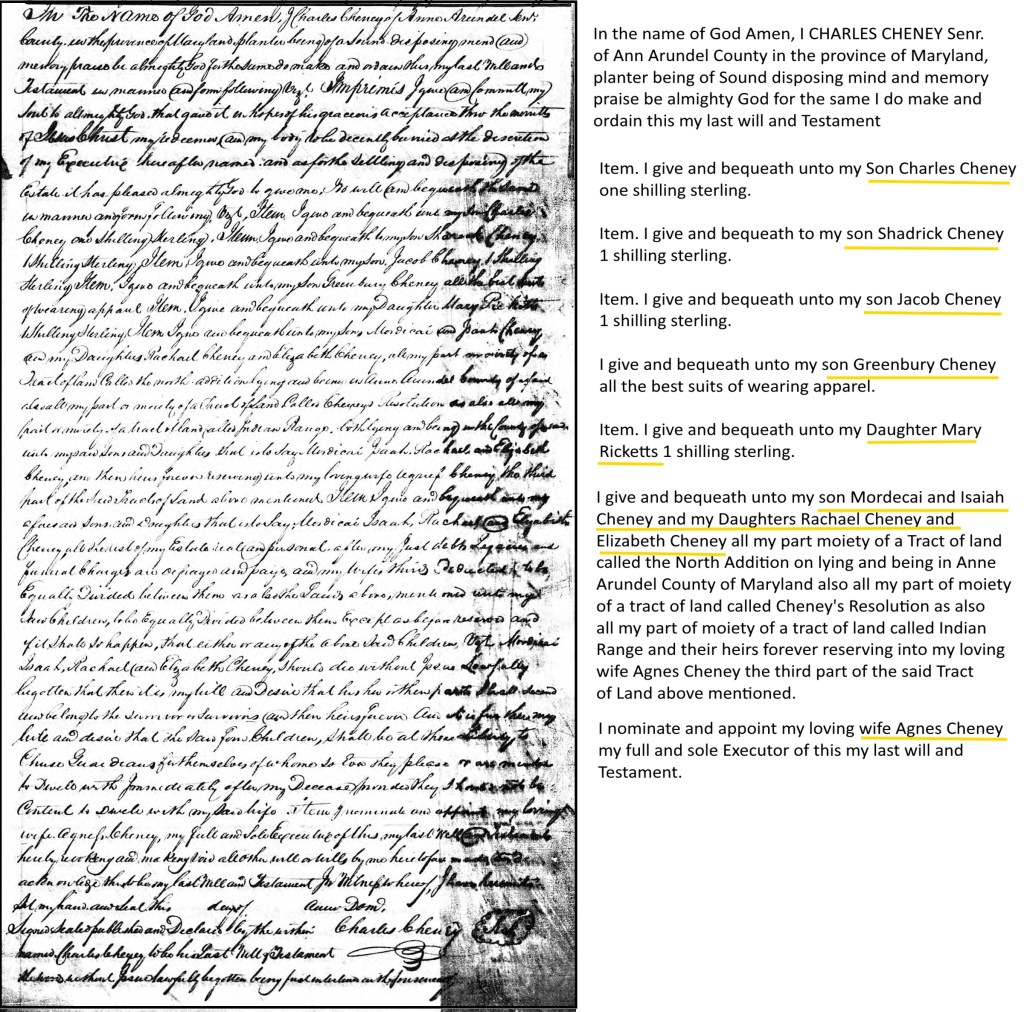
Charles died in 1744. He had presided over one branch of the Cheney family’s growth in the tobacco colony of Maryland. His will provided inheritance for some of his children, while others were to forge their own paths.
Charles left the bulk of his estate to four of his children – Mordecai, Isaiah, Rachael and Elizabeth. To most of his other living children, he left one shilling each.
Interestingly, there’s no mention of slaves or servants in Charles’ will.
Charles Cheney’s Will – 1744
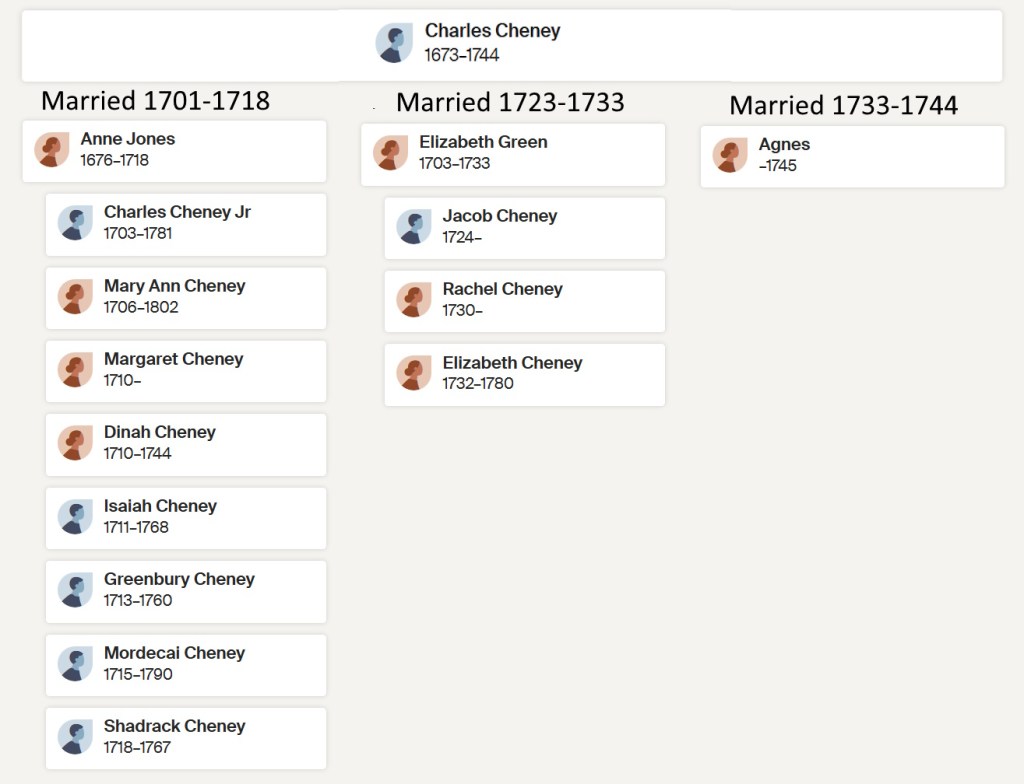
Here’s a summary of Charles Cheney’s wives and children.
Shadrack Cheney is the youngest son of Charles and Anne Cheney. I’m going to make the case that Shadrack is our 6th great grandfather. I’ll share my conclusion in a later story.
 Family Nibbles