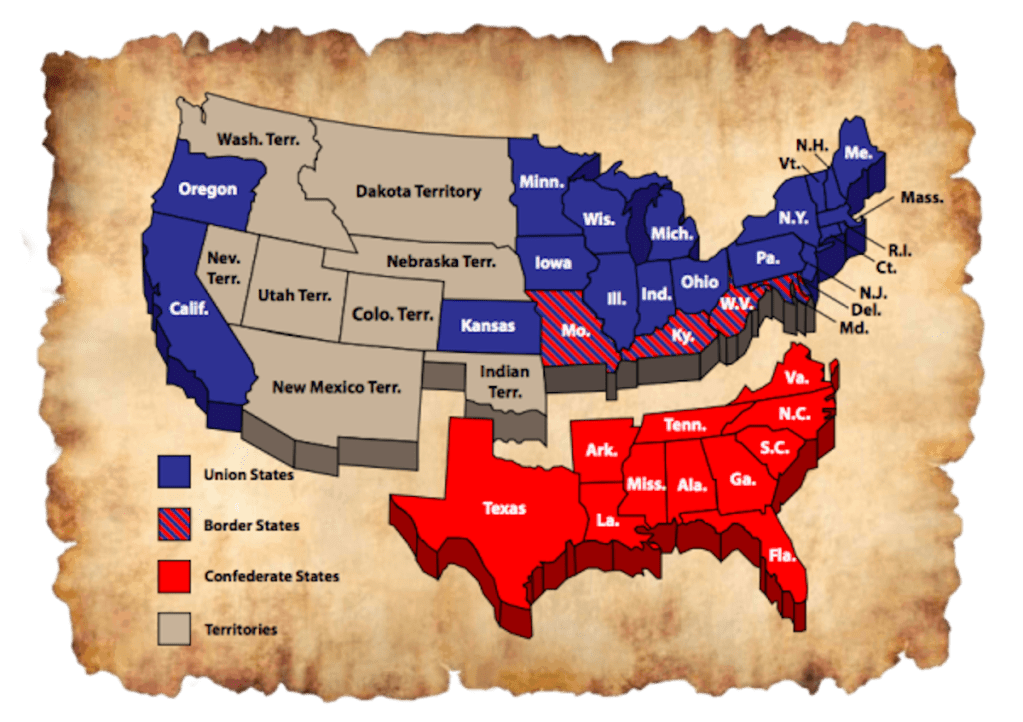
In November 1860, just a few months after the Cheneys arrived in Christian County, Abraham Lincoln from neighboring Sangamon County, Illinois was elected president. That caused seven Southern states to secede from the Union. They formed the Confederate States of America.
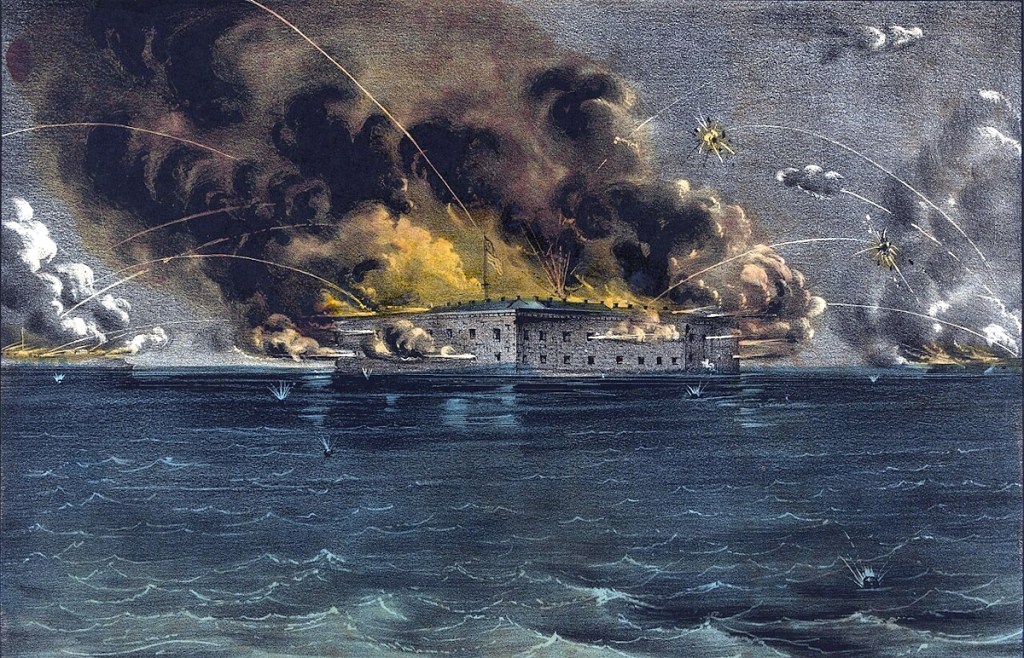
The Confederate army attacked Fort Sumter in Charleston harbor on April 12, 1861, igniting the start of the Civil War.
In 1861, the U.S. Army had only 18,000 troops, so Lincoln called for 75,000 volunteer troops to suppress the rebellion. That caused four more Southern states to secede and join the Confederacy.
Three of Shadrach and Mary Cheney’s sons answered the call.
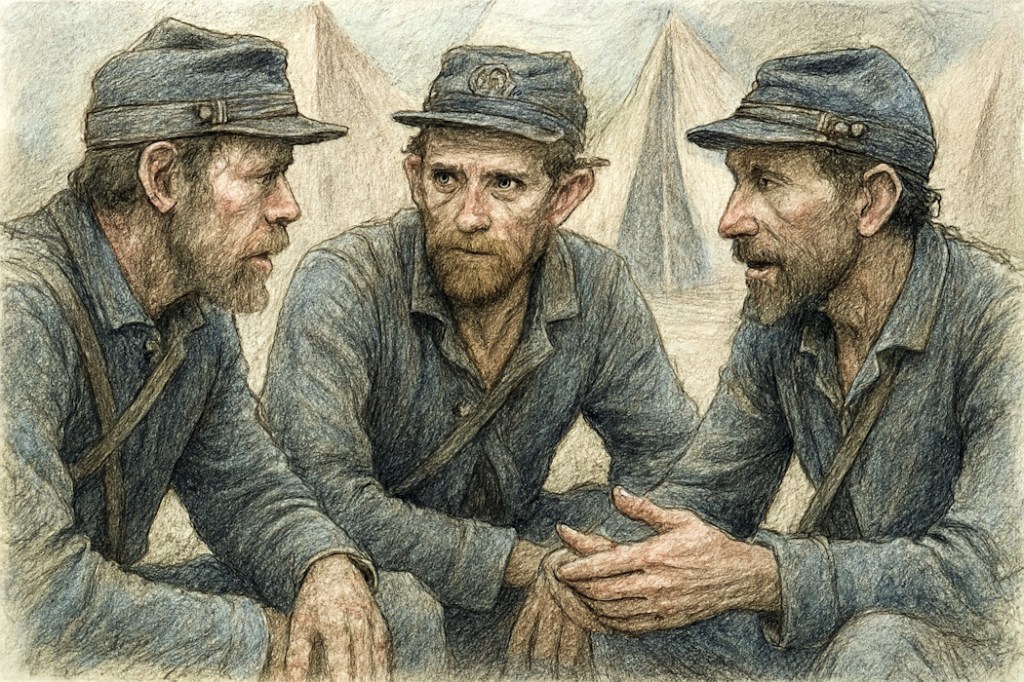
James Franklin Cheney
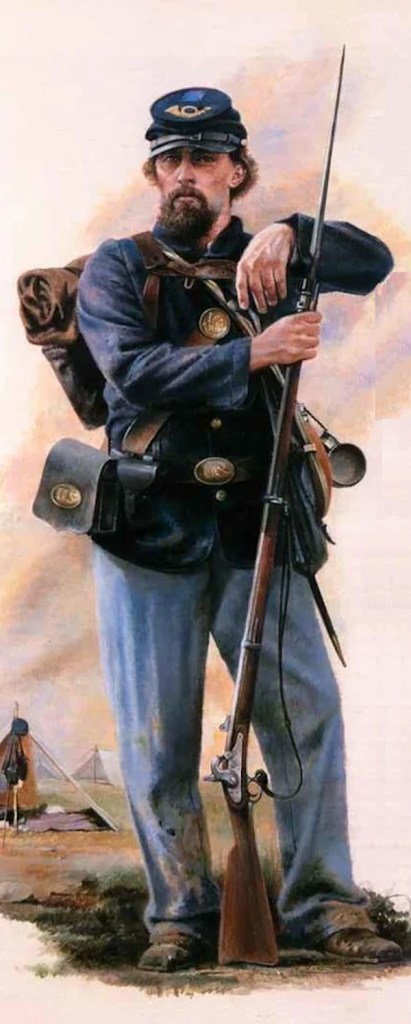
James Cheney enlisted in the fall of 1861, and was mustered in to Company K of the 15th Kentucky Infantry. James and his family lived near Louisville in Jefferson County, Kentucky. James was married and had four children. He was rather old at age 35.
His regiment was involved in numerous battles and skirmishes as it pushed southeast through Kentucky and Tennessee, and then engaged throughout Confederate territory in Georgia and Alabama.
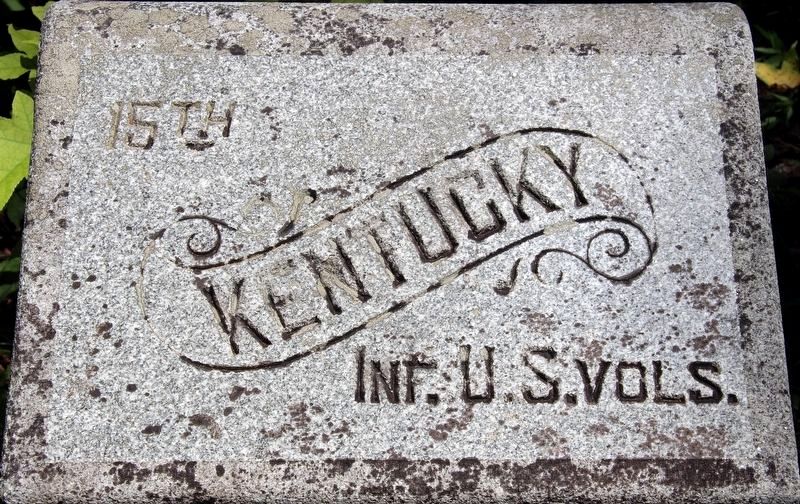
Their battle experience seems incredible–three times in major battles they defended crucial positions of the Union line and were attacked by more numerous enemy forces and forced to withdraw. Only thirty regiments in the Union army had higher casualty rates. They took 969 men into the war, and three years later had only 250.
The Battle Rages Higher: The Union’s Fifteenth Kentucky Infantry
James was wounded and became partially paralyzed. He was discharged.
William Thomas Cheney
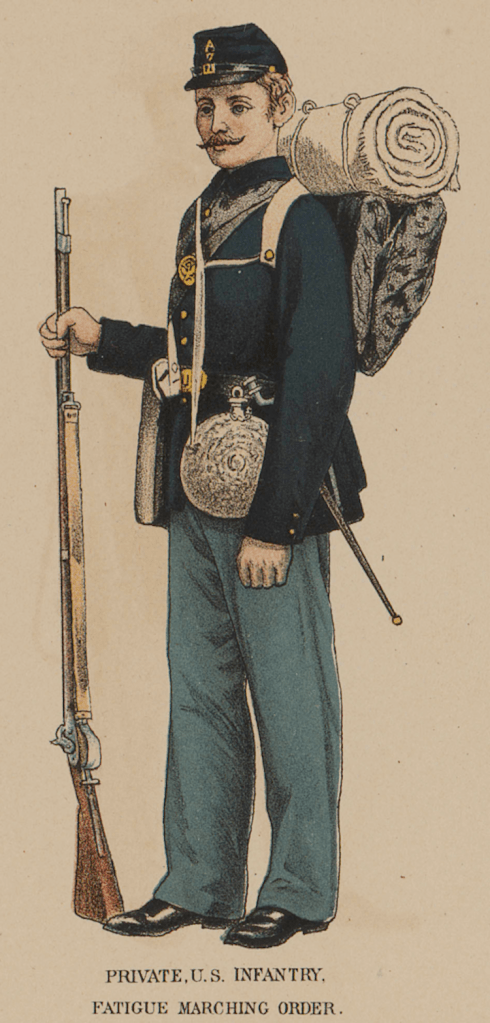
William Cheney is our 3rd great grandparent.
William enlisted in Cairo, Illinois on July 28, 1861, for a three year term. He was mustered in to Company H of the 9th Illinois Infantry Regiment. He was assigned as a hospital nurse and ward master.
William was single and age 22. He was 5′ 10″ tall, with dark complexion, hazel eyes, and auburn hair. His occupation was teacher.
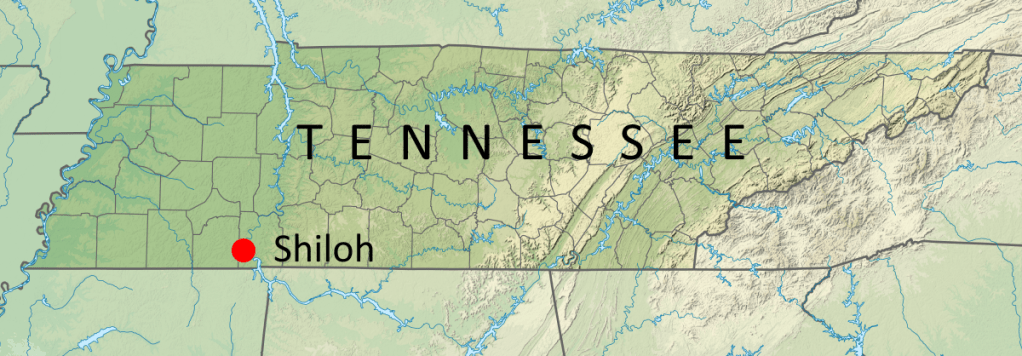
In September, his regiment began movement and skirmishes throughout southern Kentucky and into Tennessee. It was active in the capture of Forts Henry and Donelson in Tennessee. After that action in late March 1862, they were transported by riverboats up the Tennessee River. They left the boats at Pittsburg Landing, Tennessee, and camped nearby at Shiloh Church.
On 6 April 1862 they woke up to the sound of cannons. While they were waiting to join the battle, new orders were given. They were ordered to exchange their gray coats for Union blue. This way they would not be mistaken for Confederate troops.
They then joined the battle of Shiloh. They fought most of the day. At Shiloh the 9th Illinois had the highest casualties of any Illinois unit. They lost 366 of their comrades.
9th Illinois Infantry Regiment – Wikipedia
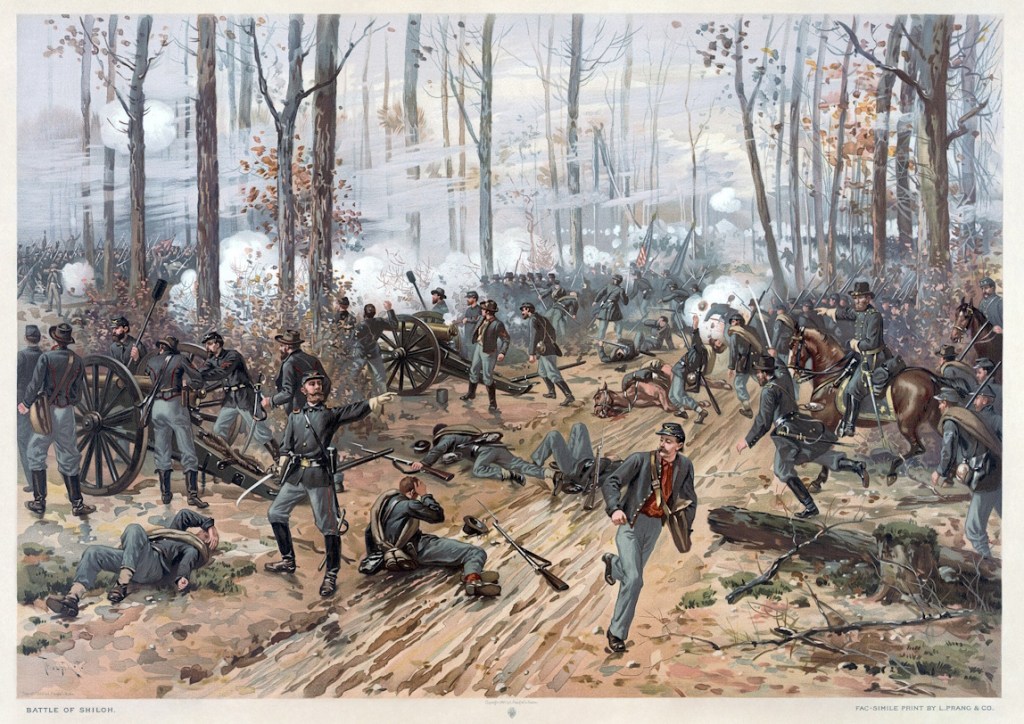
On April 6, the first day of the battle of Shiloh, William was shot. He suffered a gunshot wound, the ball penetrating his left shoulder. After being treated at a field hospital, he was transferred to the hospital in Paducah, Kentucky.
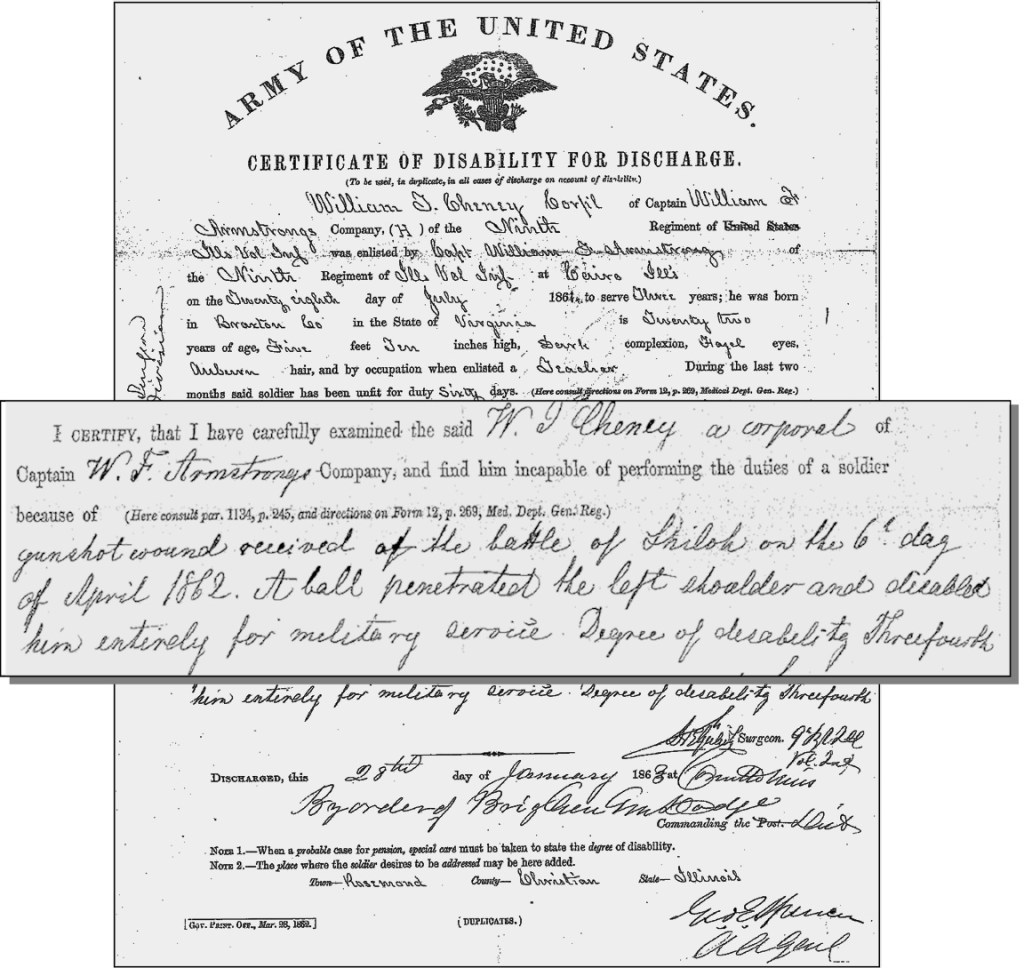
William didn’t recover the full use of his shoulder. It “disabled him entirely for military service,” and he was discharged in January 1863.
Benjamin Franklin Cheney
On July 26, 1861, Franklin Cheney enlisted in Taylorville, Illinois. He was mustered in as a private in Company G of the 41st Illinois Infantry Regiment on August 5. He was single and age 19.
On November 29, 1863, Franklin received a promotion and a transfer to a new unit. He was discharged from the 41st Illinois, then mustered in to Company H of the 7th Louisiana Infantry as a Second Lieutenant. The 7th Louisiana Regiment Infantry (African Descent) was formed in November 1863.
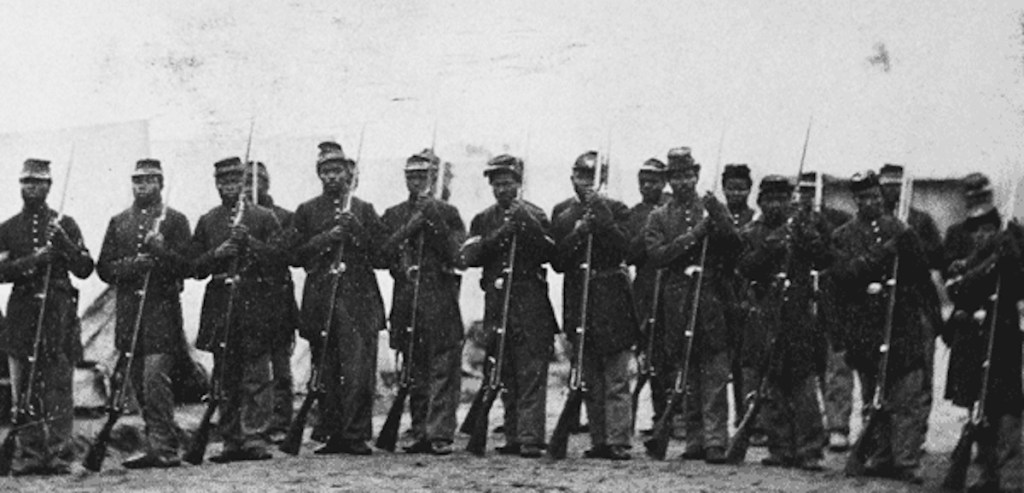
On March 11, 1864, the unit’s designation was changed to the 64th Regiment Infantry U.S. Colored Troops. The name change eliminated confusion because there was also a 7th Louisiana Infantry unit in the Confederate Army.
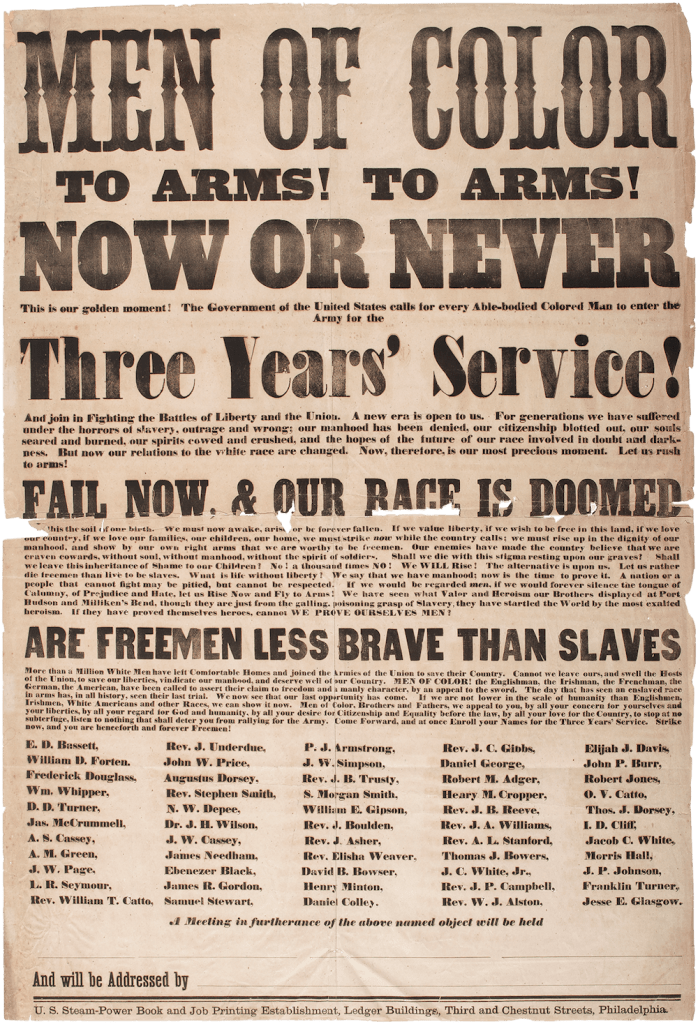
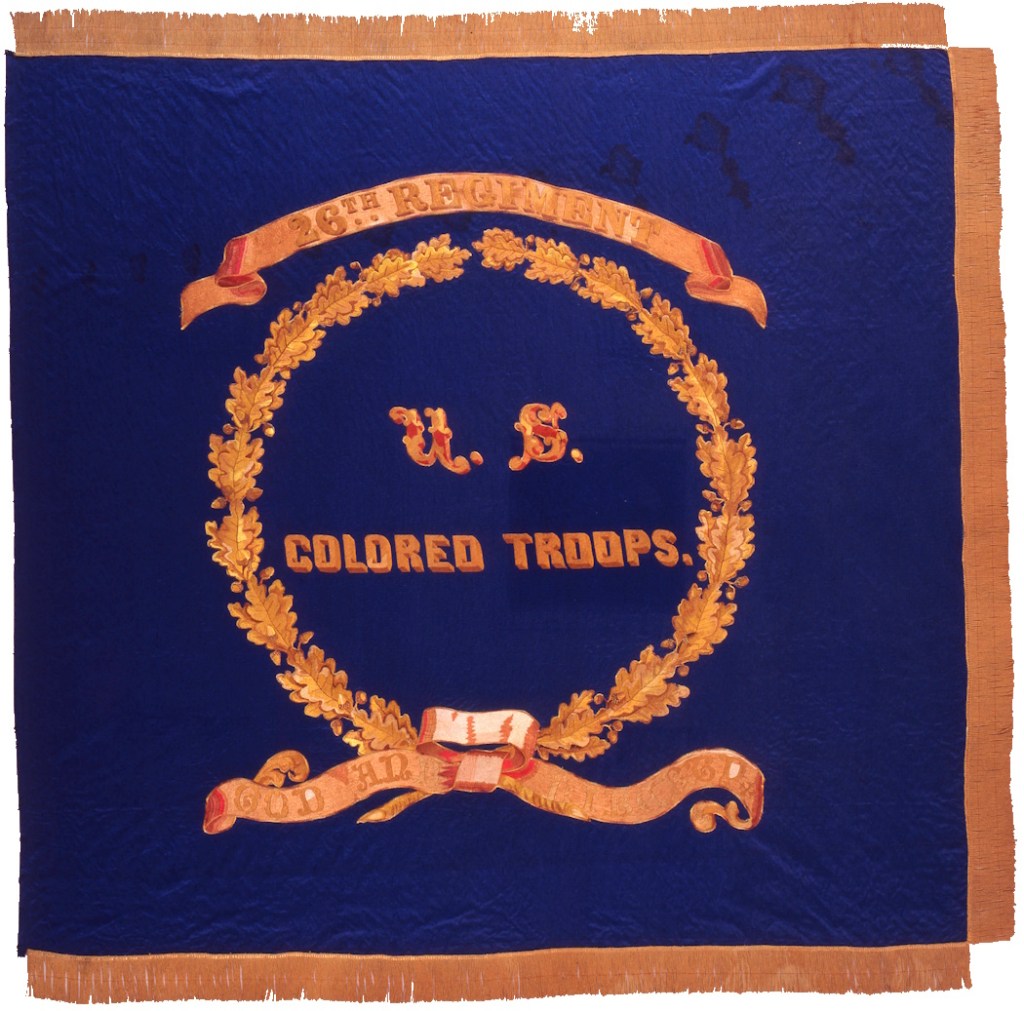
United States Colored Troops (USCT) were Union Army regiments during the American Civil War that primarily comprised African Americans. Approximately 20 percent of USCT soldiers were killed in action or died of disease and other causes, a rate about 35 percent higher than that of white Union troops.
USCT regiments were led by white Union officers, while rank advancement was limited for Black soldiers, who could only rise to the rank of non-commissioned officers. For a time, Black soldiers received less pay than their white counterparts, but they and their supporters lobbied and eventually gained equal pay.
United States Colored Troops – Wikipedia
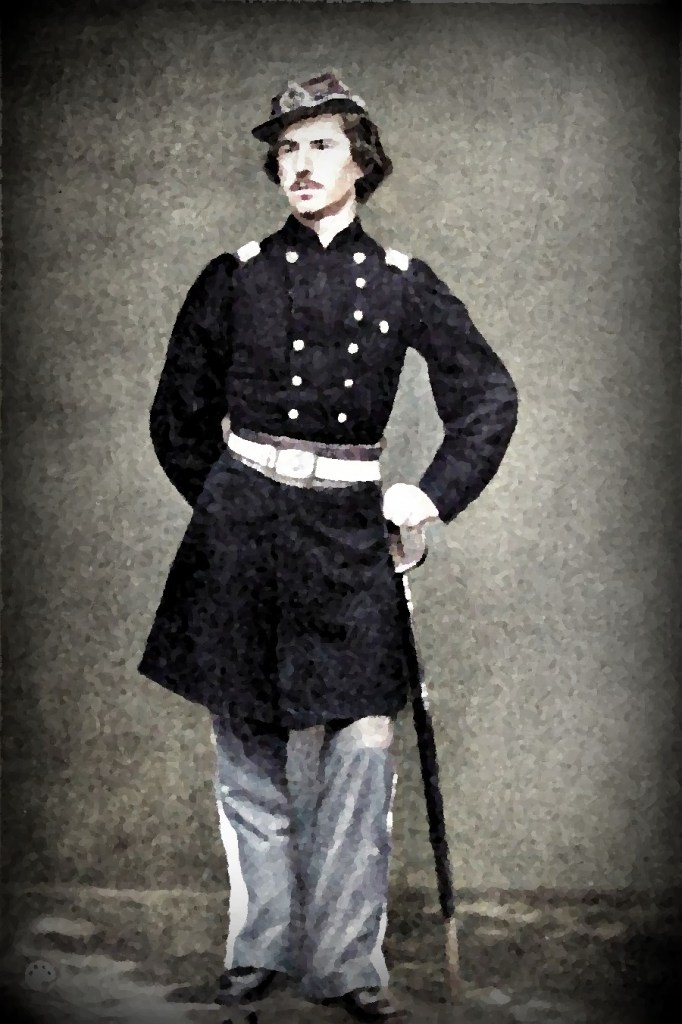
When the unit changed to 64th Infantry USCT, Benjamin Franklin Cheney received a promotion to 1st Lieutenant. He must have been a good officer.
The process for white officers aiming to lead USCT units was considered more protracted and perhaps rigorous than for ordinary Union officers. This was because it was assumed that leading Black soldiers would require a better officer than those leading white troops. At the end of their studies, those men who wished to lead Black troops had to pass an examination administered by Brig. Gen. Silas Casey’s staff in Washington. After a short period of examinations in mid-1863, only half of the men who had taken the exam passed.
United States Colored Troops – Wikipedia
The regiment served in Mississippi, Louisiana, and Arkansas and mustered out March 13, 1866. Benjamin Franklin Cheney had served just a few months short of five years.
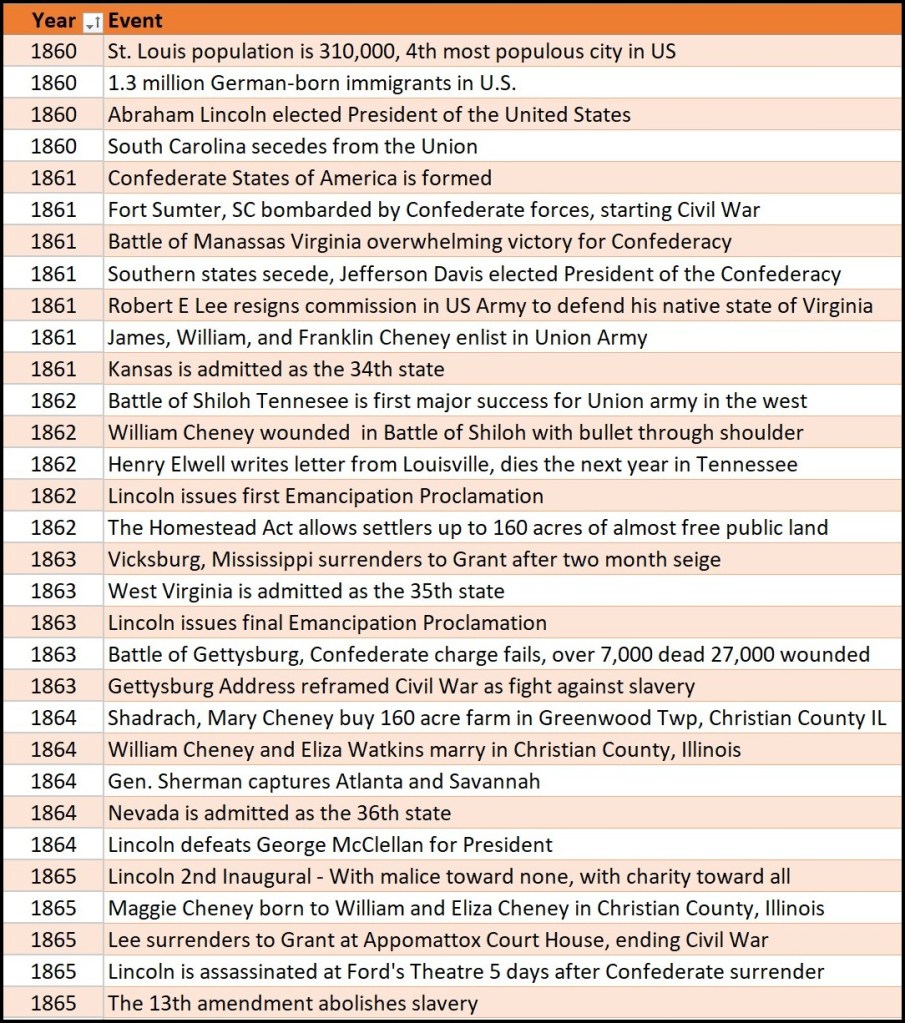
Timeline
Sources:
- Image – Bombardment of Fort Sumter – 1861 – Currier and Ives – Wikimedia Commons – https://commons.wikimedia.org/wiki/File:Bombardment_of_Fort_Sumter.jpg
- Map – Confederate States of America and the Legal Right To Secede – History on the Net – https://www.historyonthenet.com/confederate-states-america-2
- Image – Union Infantryman – American Civil War: Union Army (History of Uniforms) by Robin Smith (1998-10-02)
- Image – 15th Kentucky Historical Marker – The Historical Marker Database – HMdb.org – https://www.hmdb.org/m.asp?m=121232
- Book – The Battle Rages Higher: The Union’s Fifteenth Kentucky Infantry – Kirk C. Jenkins – Reviewed by James Ramage – https://www.h-net.org/reviews/showrev.php?id=9689
- Image – U.S. Infantry Private – Atlas to Accompany the Official Records of the Union and Confederate Armies – 1895 – Wikipedia – https://en.m.wikipedia.org/wiki/File:Union_Private_infantry_uniform.png#:~:text=Fran%C3%A7ais%20:%20Union%20private%20infantry%20uniform%2C%20from,American%20Civil%20War.%20Date%2C%201%20January%201895.
- Map – Shiloh and Tennessee – Wikimedia – https://en.wikipedia.org/wiki/File:USA_Tennessee_relief_location_map.svg
- Quote – Battle of Shiloh – 9th Illinois Infantry Regiment – Wikipedia – https://en.wikipedia.org/wiki/9th_Illinois_Infantry_Regiment
- Image – Battle of Shiloh – 1888 – Thure de Thulstrup – Wikipedia – https://en.wikipedia.org/wiki/File:Thure_de_Thulstrup_-_Battle_of_Shiloh.jpg
- Certificate of Disability for Discharge – William Cheney – 1863 – Military Service Records – National Archives and Records Administration
- Quote – 7th Louisiana Colored Infantry Regiment change to 64th Regiment Infantry U.S. Colored Troops – Wikipedia – https://en.wikipedia.org/wiki/7th_Louisiana_Colored_Infantry_Regiment
- Quote – United States Colored Troops – Wikipedia – https://en.wikipedia.org/wiki/United_States_Colored_Troops
- Image – 26th Regiment USCT flag – United States Colored Troops – Wikipedia – https://en.wikipedia.org/wiki/United_States_Colored_Troops#/media/File:26th_Regiment_USCT_colors.png
- Image – Union officer – Elmer Ellsworth – 1861 – File from The Photographic History of The Civil War in Ten Volumes: Volume One, The Opening Battles – Wikimedia Commons – https://commons.wikimedia.org/wiki/File:ElmerEllsworthphoto01.jpg
- Audio – Battle – cymbalBird – SoundCloud – https://soundcloud.com/cymbalbird/battle
 Family Nibbles


