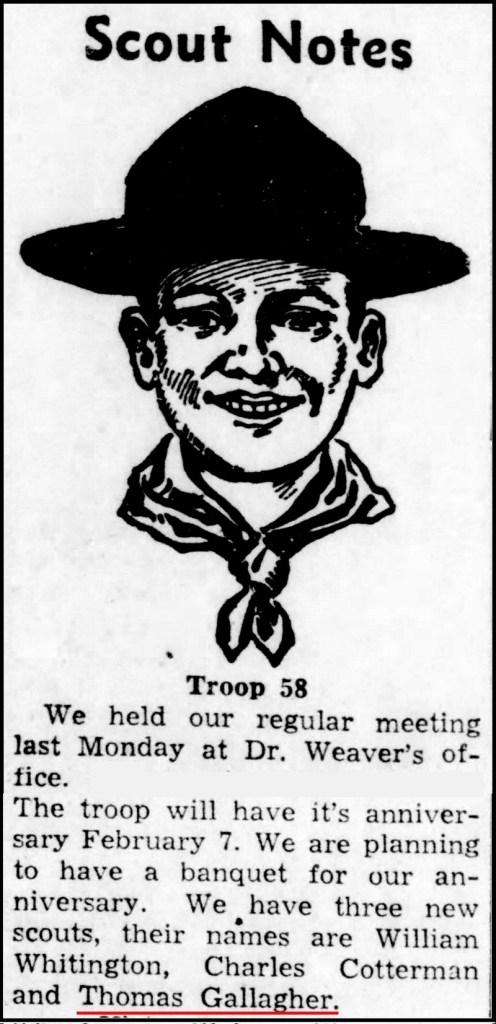
In January 1938, Tom “Buddy” Gallagher was initiated into Sedalia’s Boy Scout Troop 58.
It’s interesting, because it’s one of the last events we know about the Gallagher family in Sedalia, Missouri.
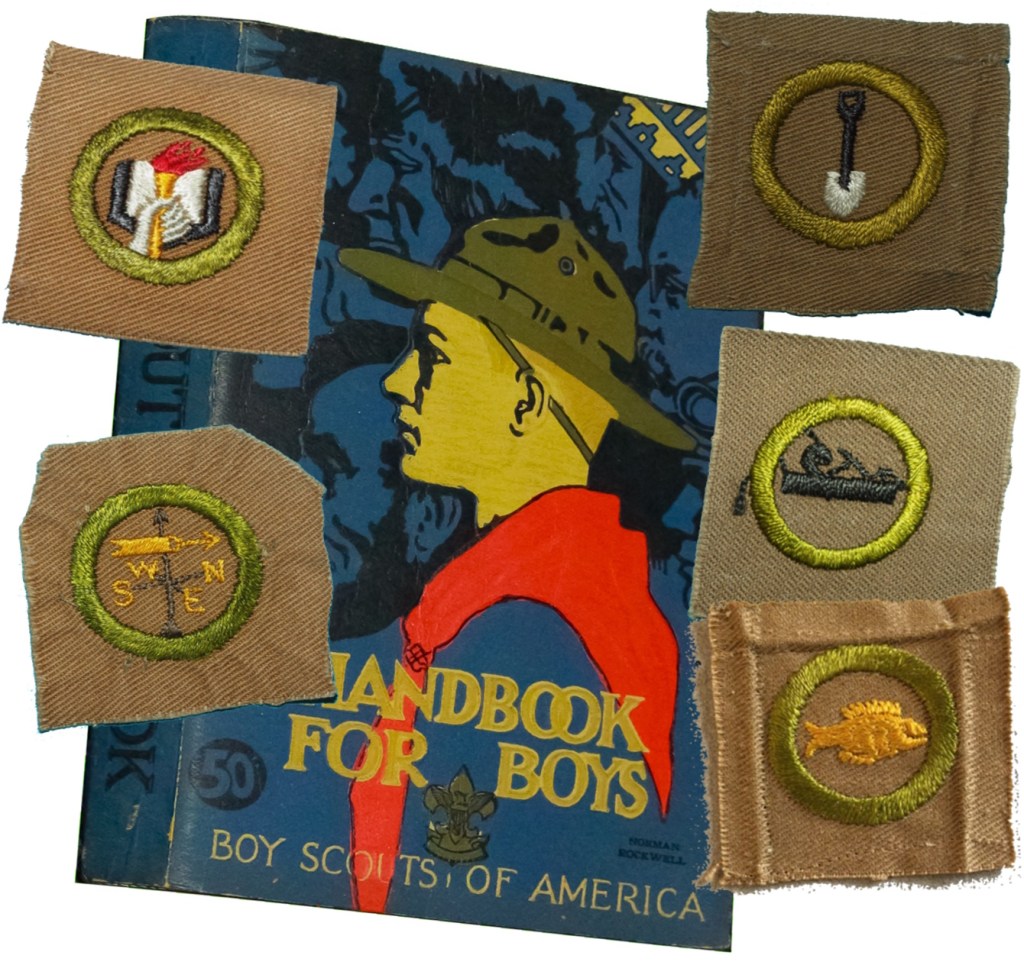
In January 1938, Tom “Buddy” Gallagher was initiated into Sedalia’s Boy Scout Troop 58.
It’s interesting, because it’s one of the last events we know about the Gallagher family in Sedalia, Missouri.
Franklin D. Roosevelt’s New Deal platform created an incredible number of different federal agencies to carry out new policies and regulations. Almost all of these agencies had an acronym like the CCC, TVA, or HOLC. Therefore, these collectively came to be known as FDR’s “Alphabet Soup Agencies.”
Alphabet Soup Agencies – Students of History

The Alphabet Soup Agencies weren’t some abstract far-away concept. They directly touched people in their everyday lives. Tom Gallagher had jobs with several of the agencies. Mary Agnes and children worked with and benefited from these agencies.
Continue readingBy 1936, measures of the economy were back to their 1928 pre-Depression levels, except for unemployment.
Unemployment crept downward below 22% by year-end 1934, and still lower to 20% by December 1935. In 1936, it continued the downward trend to 17%. The New Deal programs were helping, and some segments of the economy were recovering.

Continue readingI saw and approached the hungry and desperate mother, as if drawn by a magnet. I do not remember how I explained my presence or my camera to her, but I do remember she asked me no questions. I made five exposures, working closer and closer from the same direction. I did not ask her name or her history. She told me her age, that she was thirty-two. She said that they had been living on frozen vegetables from the surrounding fields, and birds that the children killed. She had just sold the tires from her car to buy food. There she sat in that lean- to tent with her children huddled around her, and seemed to know that my pictures might help her, and so she helped me. There was a sort of equality about it. (From: Lange’s “The Assignment I’ll Never Forget: Migrant Mother,” Popular Photography, Feb. 1960).
Dorothea Lange, Photographer
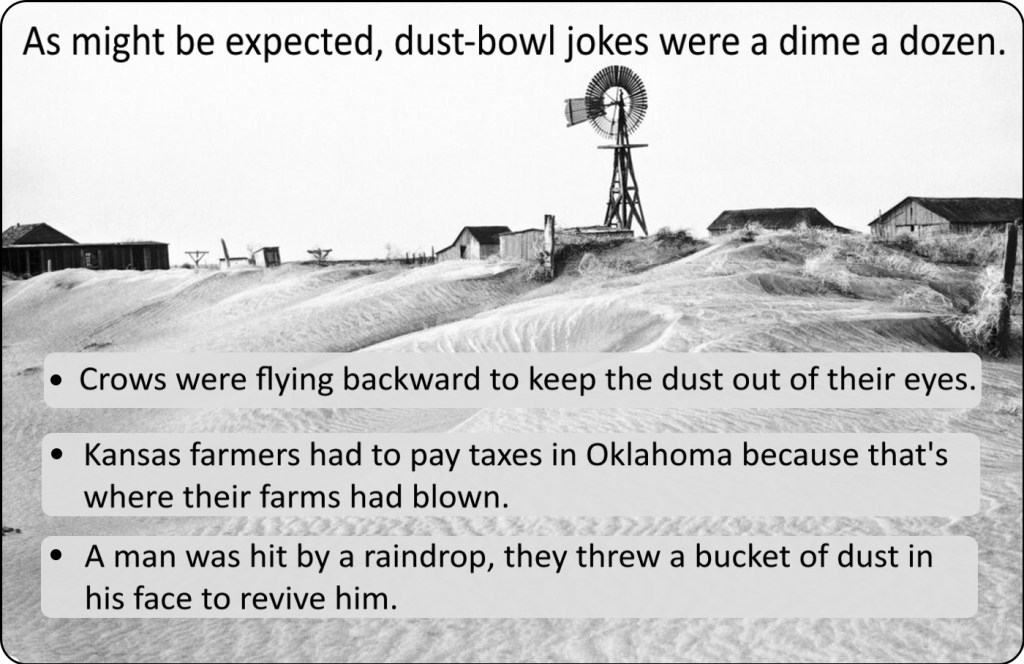
As 1934 began, 25% of workers in the United States were unemployed. That was true in Kansas, and there were additional problems:
It’s hard for us to imagine the impact of the Great Depression on our ancestors’ communities. In Sedalia, Missouri, the Depression caused job losses, which caused housing and food emergencies.
Things were made worse by a multi-year drought that affected farmers and the food supply.
It’s just as hard to imagine the scope of the New Deal relief efforts in those communities. “Relief” wasn’t some abstract concept in faraway cities. It included food, money, and jobs for people in Sedalia and Pettis County.
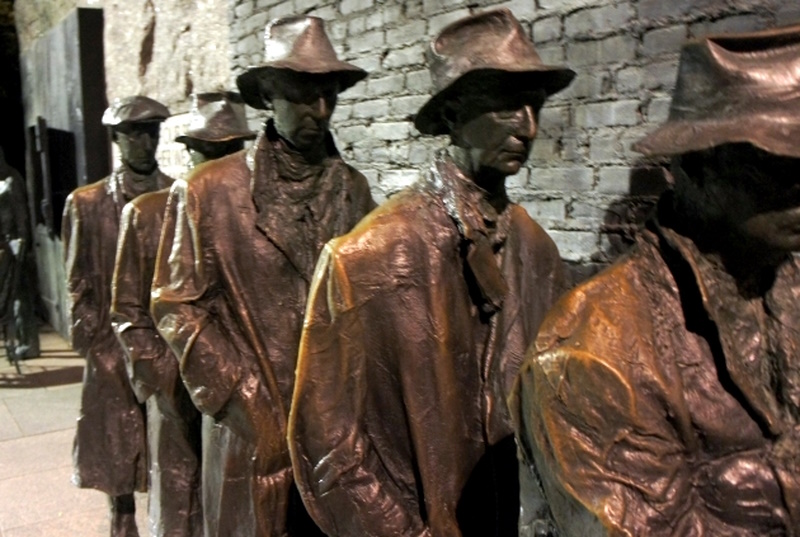
Things were still terrible, but there were glimmers of hope in 1933. The inflation rate turned positive at 1%, and GDP growth turned slightly positive by summer. But 2 million Americans were homeless. Industrial production was half of its 1929 high.
Unemployment was at its highest yet – 25%.
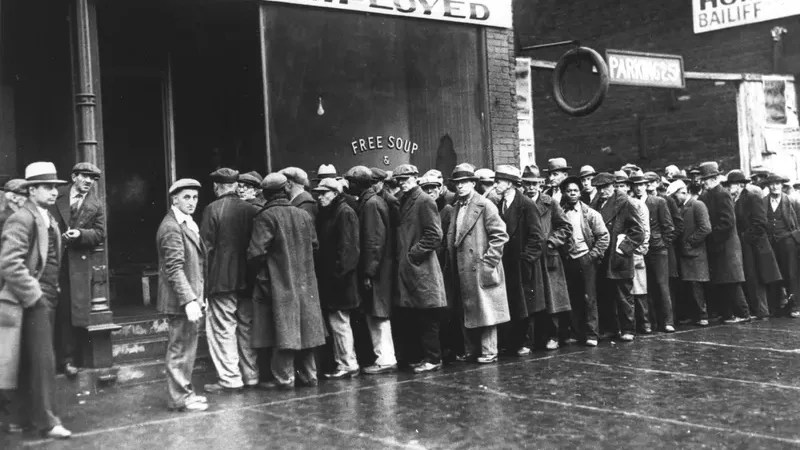
If there was a worse year in the Depression than 1931, it was 1932.
Unemployment rose to 23.6%. 13 million people, almost 1 in 4, were unemployed. Many had lost their savings, and many had lost their homes and farms.
The economy shrank another 13%.
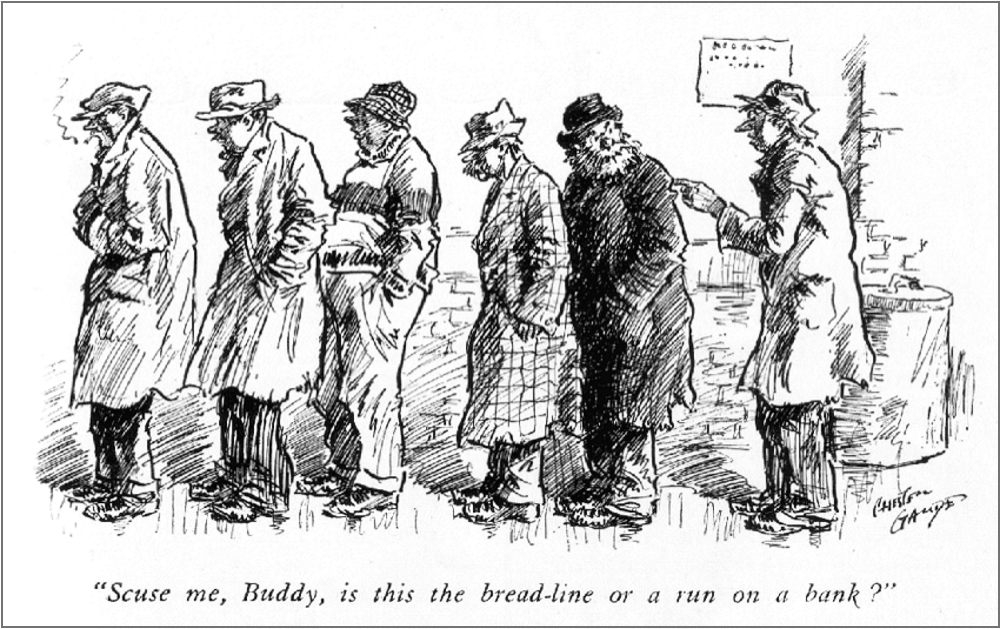
1931 was arguably one of the worst years of the Great Depression.
2,294 banks failed during 1931. 28,285 businesses failed.
Unemployment rose to 16%. The economy shrank by 8.5%. Prices fell 9.3%.
By 1931, most American had been impacted by the Depression, and realized that it wasn’t going away soon.
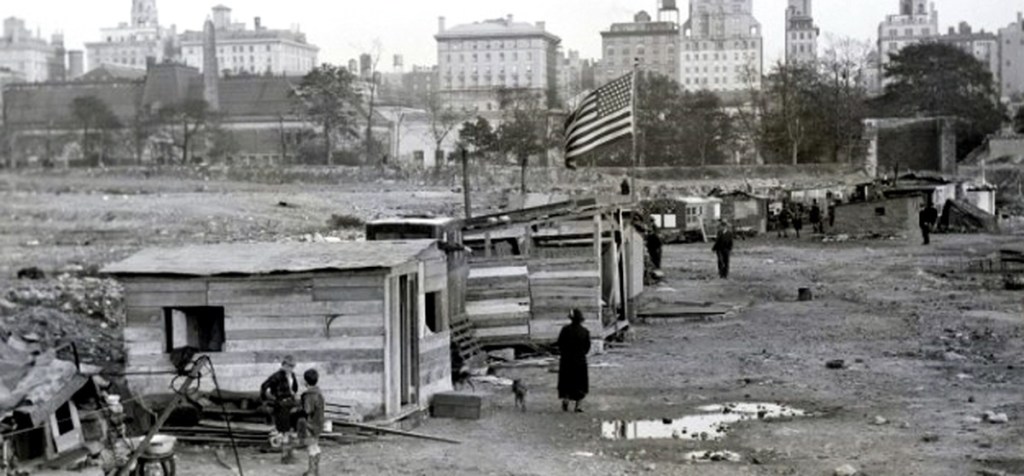
Tom and Mary Agnes Gallagher had married in April 1930. They were home from their wedding trip. Now it was back to everyday life – work, children, and family.
The stock market had crashed six months earlier. How did that affect our families in Sedalia and Junction City?


Tom Gallagher was the manager of Cole’s Women’s Shop. Mary Agnes Riley worked there.
Mary Agnes lived in her parents’ home at 1406 West Broadway. Tom and his children Kathleen and Buddy lived there too.
Tom and Mary Agnes spent a lot of time around each other.
There was talk.
Continue reading Family Nibbles