We’ve seen some interesting news and family events from the early 1890s. Let’s finish the decade.
W.T. Cheney is appointed postmaster for Groveland post office. Ralph and Mollie Cheney have a new baby boy. And more…
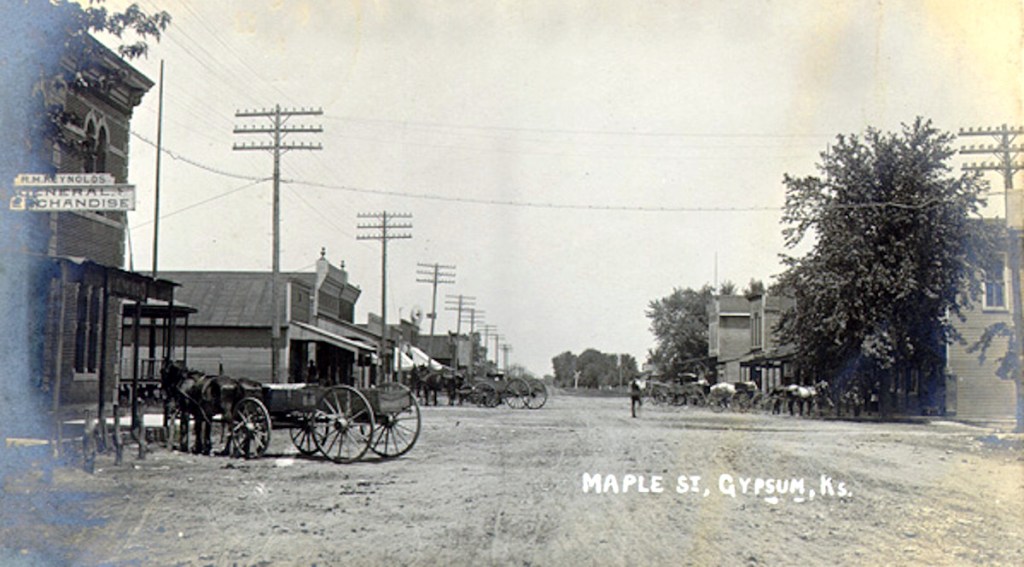
We’ve seen some interesting news and family events from the early 1890s. Let’s finish the decade.
W.T. Cheney is appointed postmaster for Groveland post office. Ralph and Mollie Cheney have a new baby boy. And more…
The 1890s are full of Cheney news and family events. Family visits. Crop reports. W.T. Cheney is active in local politics and Sunday School. Ralph and Mollie Cheney moved to Gypsum and are having kids.
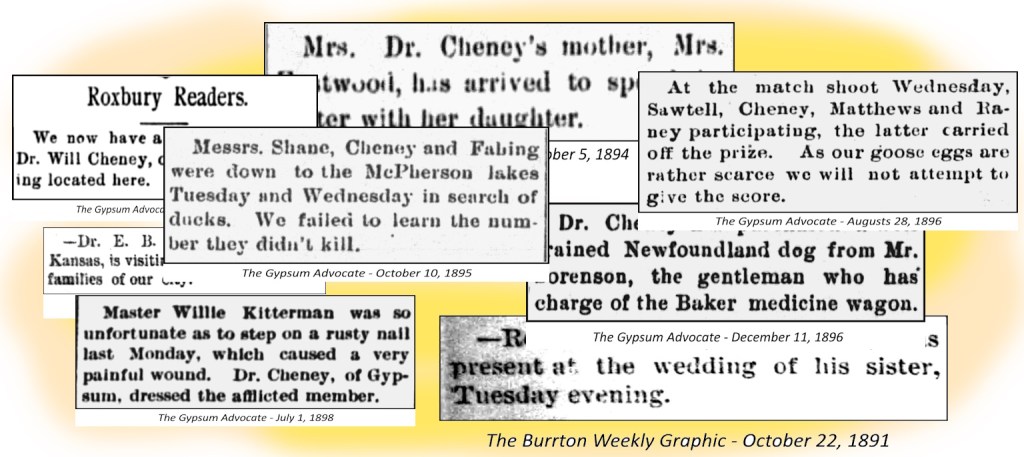
Most of the stories are “every day,” but here are some noteworthy and interesting ones:
Continue readingTwo events occurred in Garfield, Kansas in the same week in April 1890 that influenced our family history:
These two unrelated events led to E.R. Cheney meeting and then marrying Mollie Hestwood.

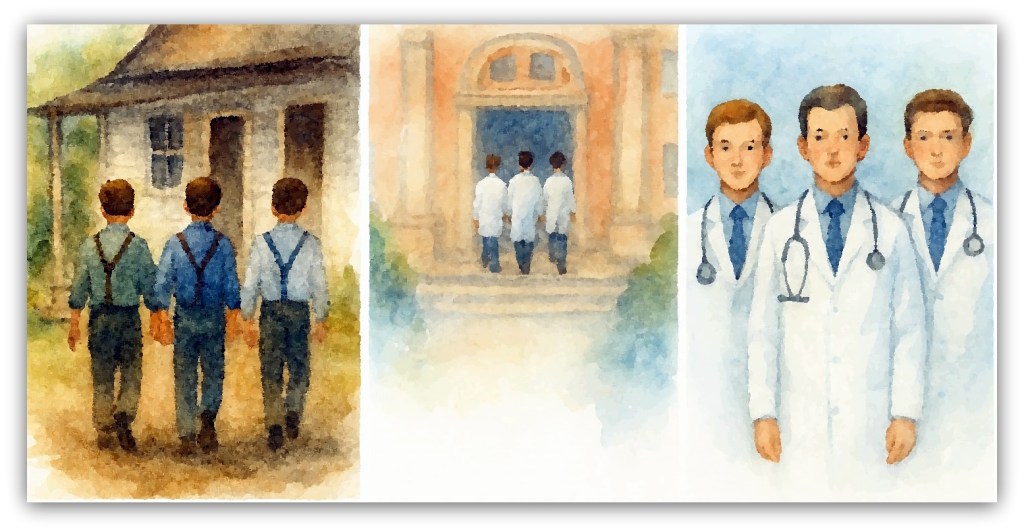
All three boys that grew up in the household of William and Eliza Cheney became doctors.
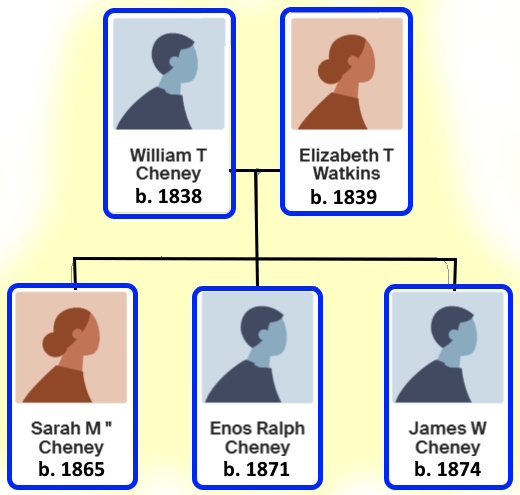
William and Eliza Cheney had claimed their homestead in McPherson County, Kansas in 1877. By 1880, they had a house and barn, gardens and an orchard.
The family had grown too. In 1880, William Cheney was age 42. Eliza was 40. Their children were Sarah Margaret, age 14, Enos Ralph, age 9, and James William, age 5.
William and Eliza are our 3rd great-grandparents.
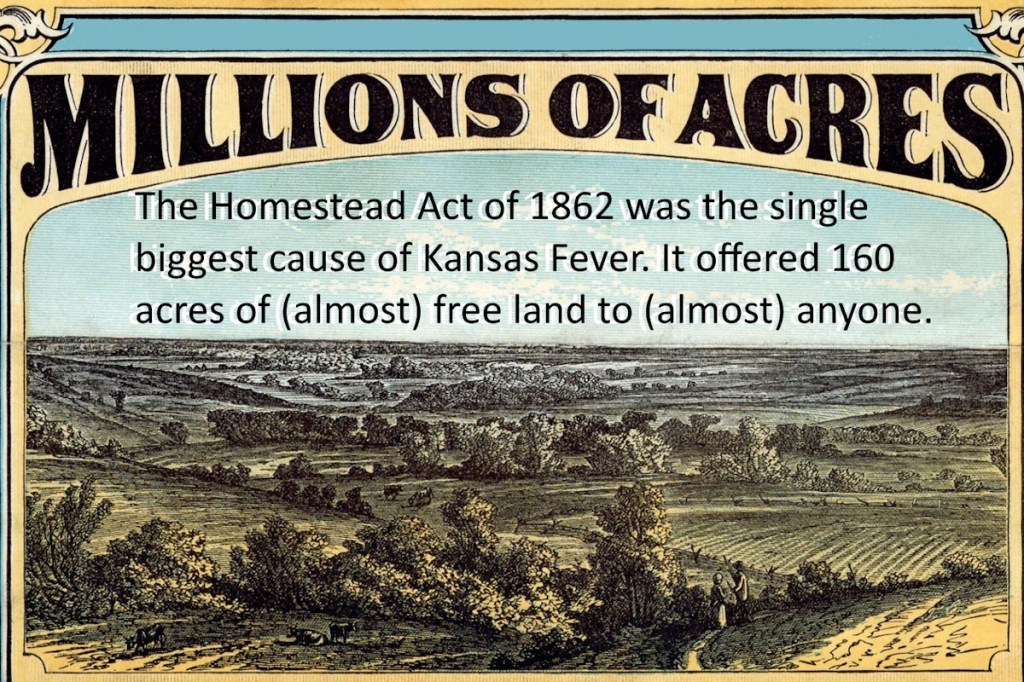
Continue readingIn 1877, William Cheney traded a cow for Jack Taylor’s homestead claim for 160 acres of government land in McPherson County, Kansas. That homestead claim gave William the right to occupy the property, and an additional five years to improve it.
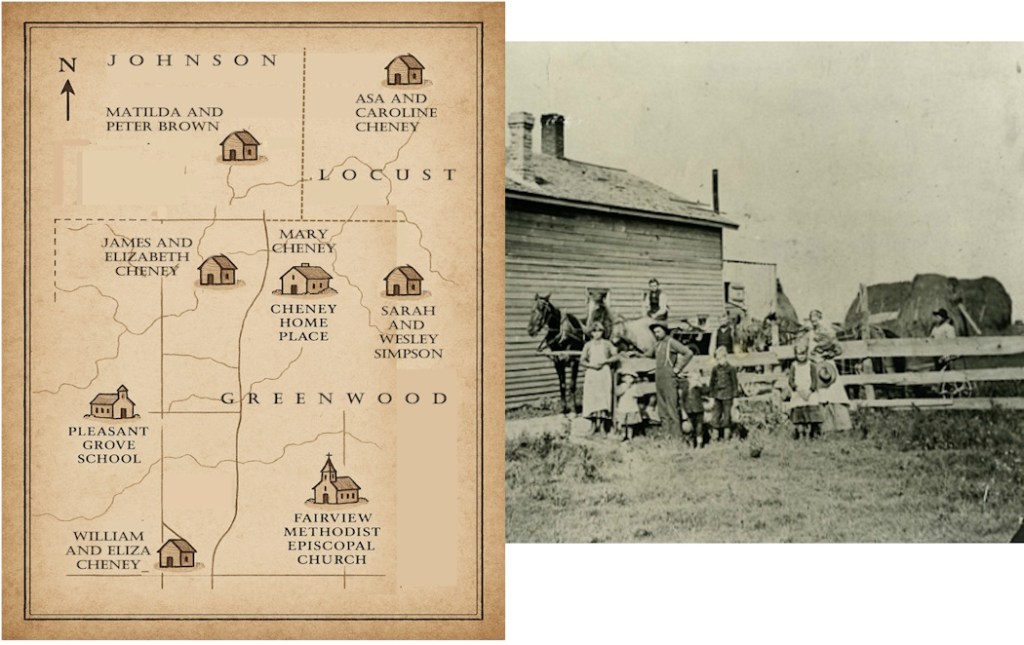
By 1870, the Cheney family had established themselves in Christian County, Illinois. Over the previous decade, several of the children had married and started farms of their own, many within a few miles of the original homestead. The family was closely connected—parents, siblings, and in-laws living nearby and working the land.
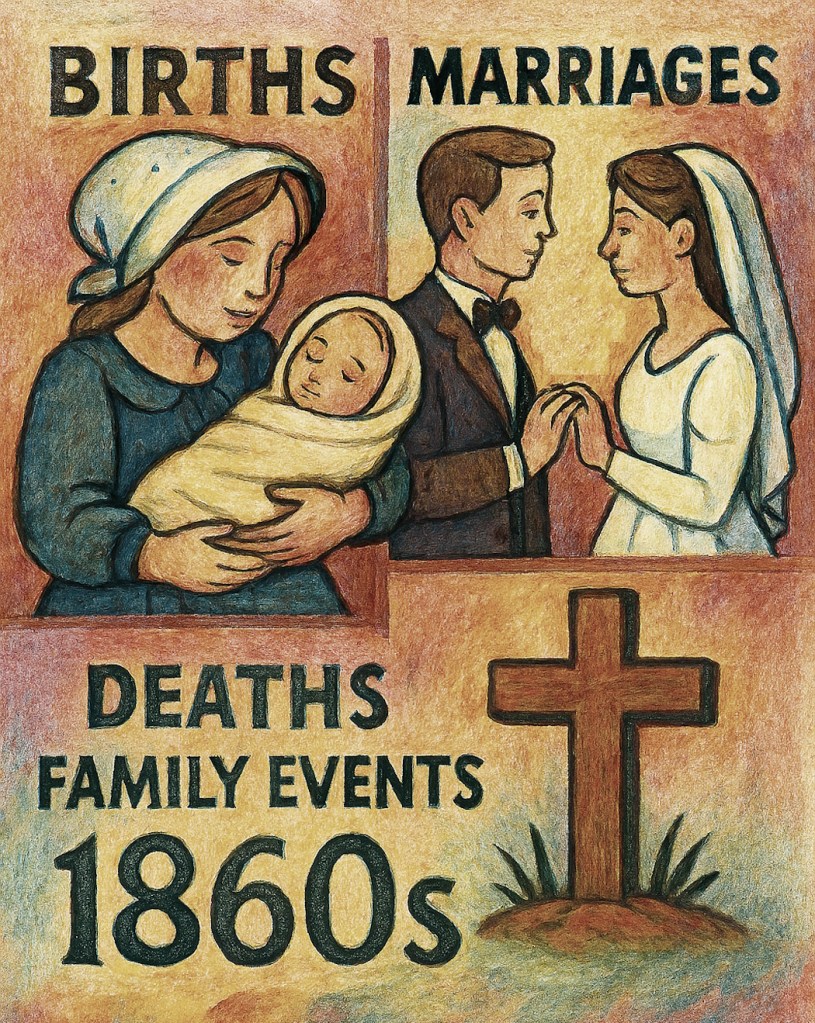
The 1860s were full of Cheney family events.
The Civil War had ended. The Cheney boys were home.
The Cheneys continued their lives, marked by births, marriages, work and civic life, and loss.
Continue readingIn November 1860, just a few months after the Cheneys arrived in Christian County, Abraham Lincoln from neighboring Sangamon County, Illinois was elected president. That caused seven Southern states to secede from the Union. They formed the Confederate States of America.
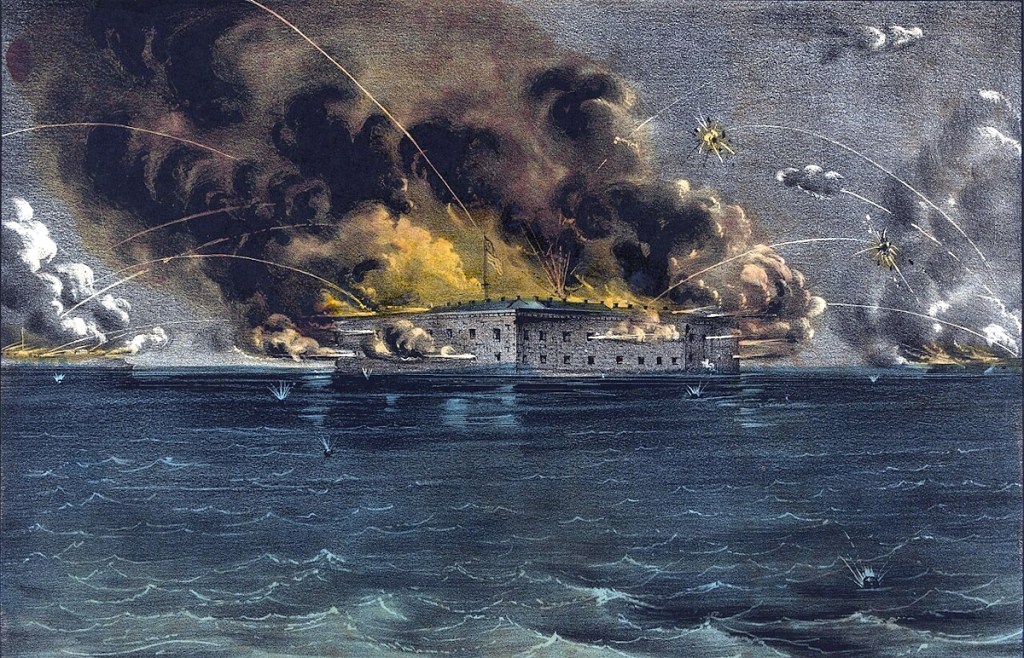
The Confederate army attacked Fort Sumter in Charleston harbor on April 12, 1861, igniting the start of the Civil War.
Continue readingIn 1859, after decades of circuit riding, Shadrach Cheney hung up his saddlebags and headed west. The destination: Christian County, Illinois. With seven of their twelve children still at home, Shadrach and Mary Cheney joined a growing network of their family already rooted in the prairie.
 Family Nibbles