Emily Maninger enrolled in Wichita Hospital Training School for Nurses in 1917. She hoped to go to the front to care for the troops in World War I.
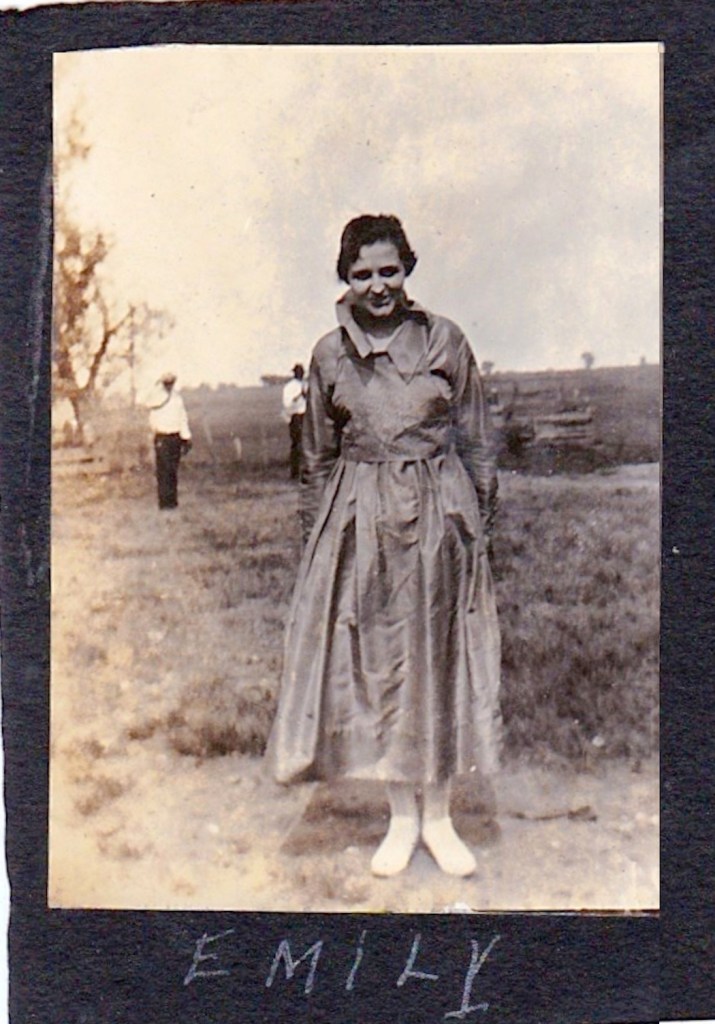
Emily Maninger enrolled in Wichita Hospital Training School for Nurses in 1917. She hoped to go to the front to care for the troops in World War I.
Oil and war were interdependent. World War I was the first war to depend on submarines, tanks, airplanes and motorized transport. The American economy was also dependent on oil.
The Maningers got knee-deep in oil and war.

1916 had some significant school events. Mattie graduated in 8th grade. Other Maningers were off to college or vocational schools. Emily graduated from high school.

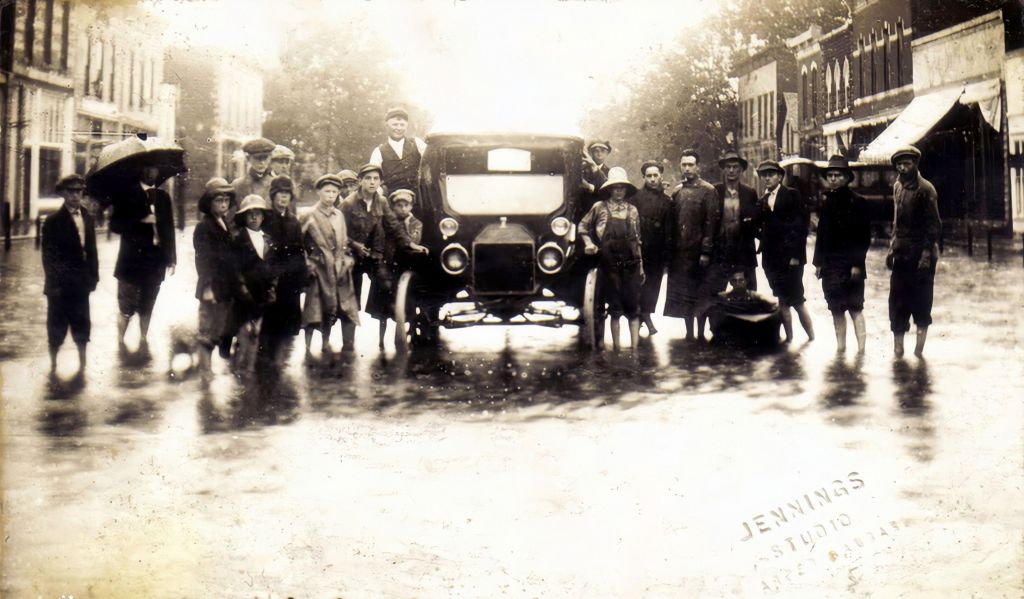
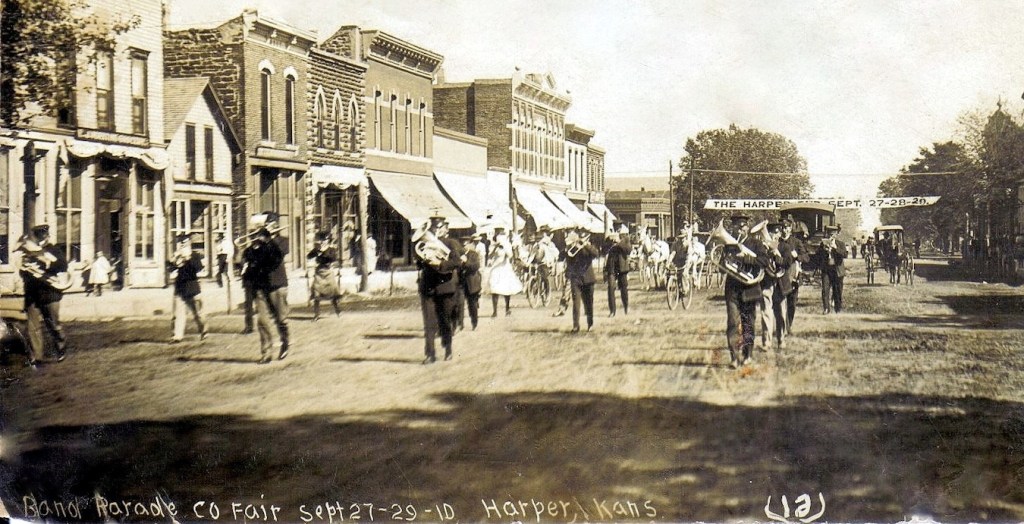
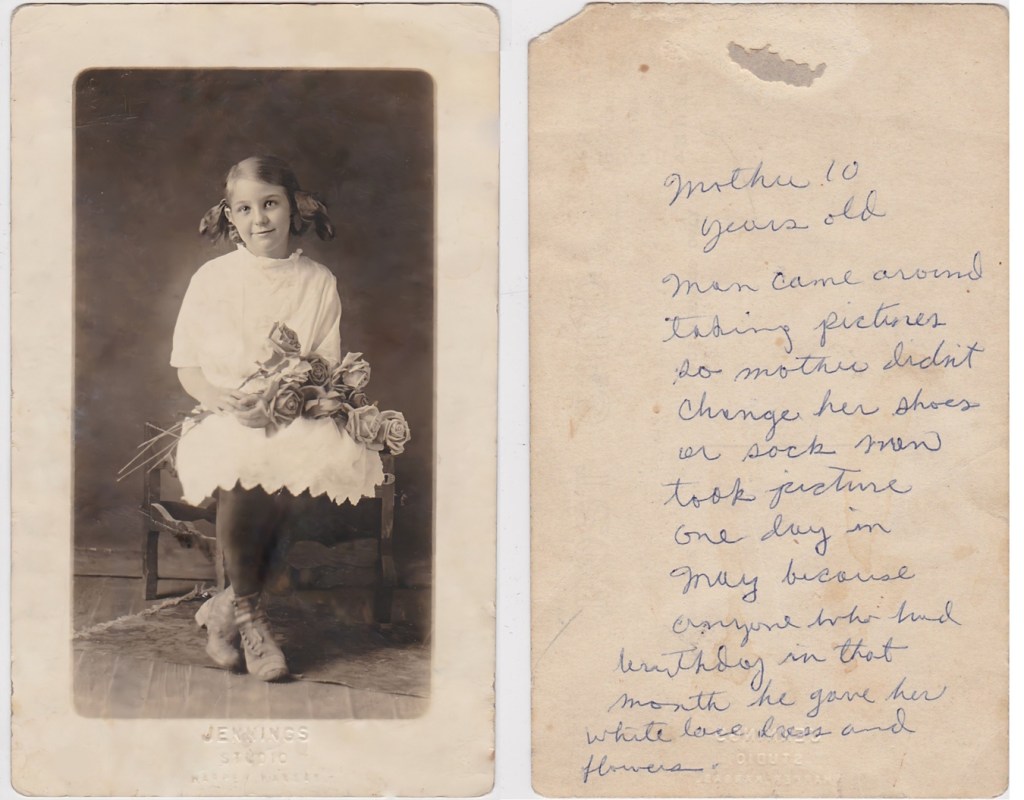
Mabel Jennings had a photography studio in Harper. She’s the photographer of many of the photos of people and places in Harper.
Continue readingBMD (Birth, Marriage, Death) records are the stock and trade of the genealogist. They’re important, but don’t provide much context about our ancestors’ lives. Like most of our stories, this one includes Maninger BMD info.
Sometimes we’re lucky to find collateral stories, vignettes into people’s everyday lives. These enrich our understanding, and help us get to know our ancestor. This story features the importance of music in Maninger family life.
The Maningers grew wheat and corn as a cash crop. But what and how did they feed the family? Billie, tell us about it.
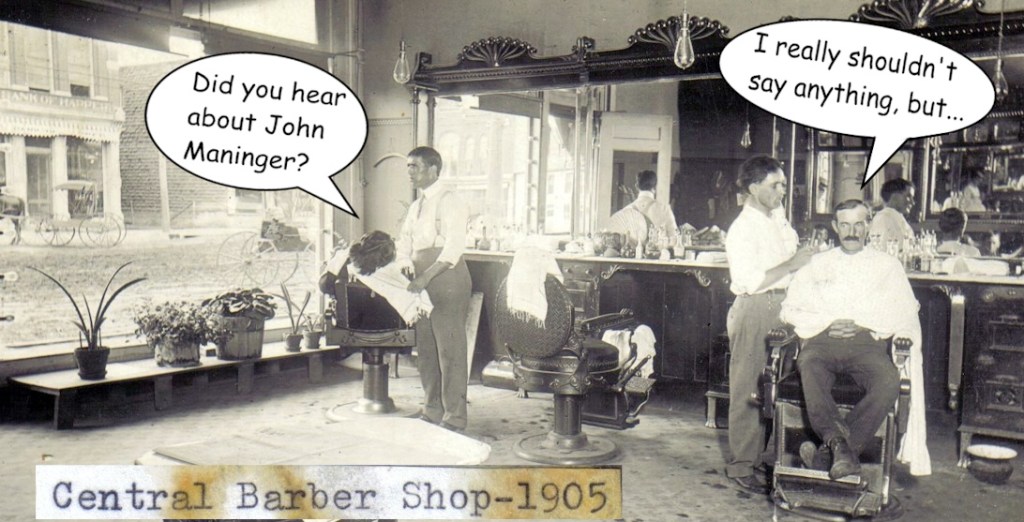
Continue readingThe newspapers reported the events of local life. The barber shop and quilting bee spread the news even faster. There was good news, and there was bad news.
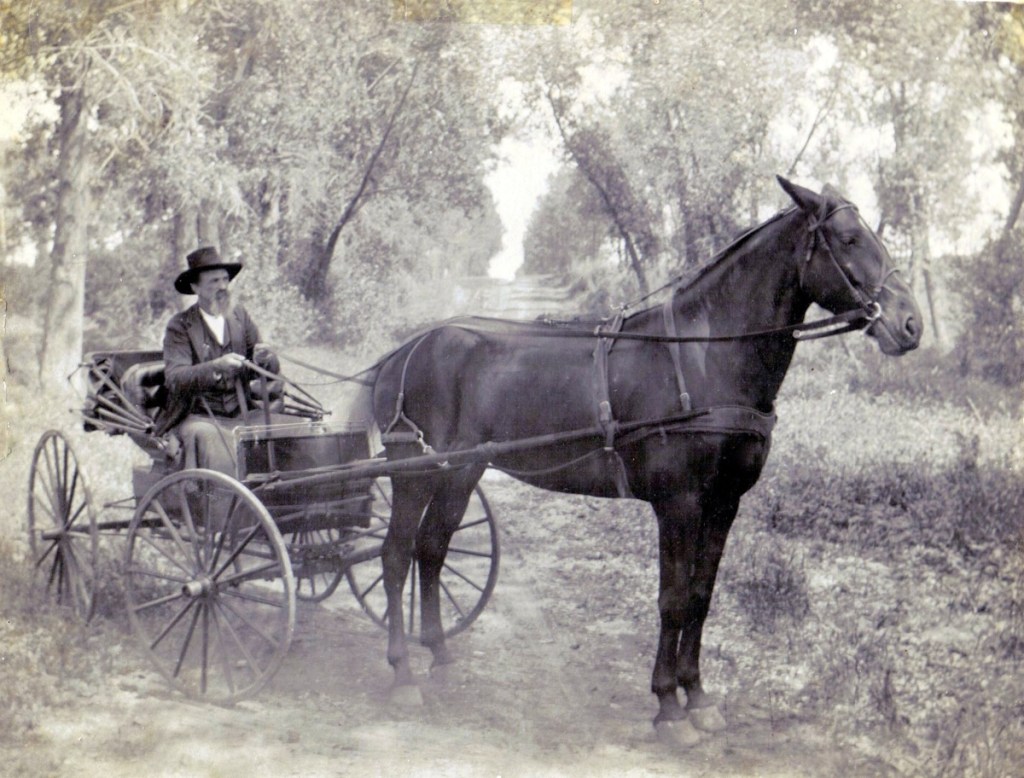
Continue readingAs I remember Grandfather, he was a stern man and the head of the family. What he said was “law.” I do remember my Dad, John, was not always happy with his ideas.
The farms all joined, and I remember him coming in our driveway in his horse and buggy. I think he made the rounds to all his boys and Aunt Emma.
My Experiences Growing up on our Kansas Farm – Billie Maninger
There were lots of Maningers in Harper County in the latter years of the 1890s. The family tree was sprouting branches.
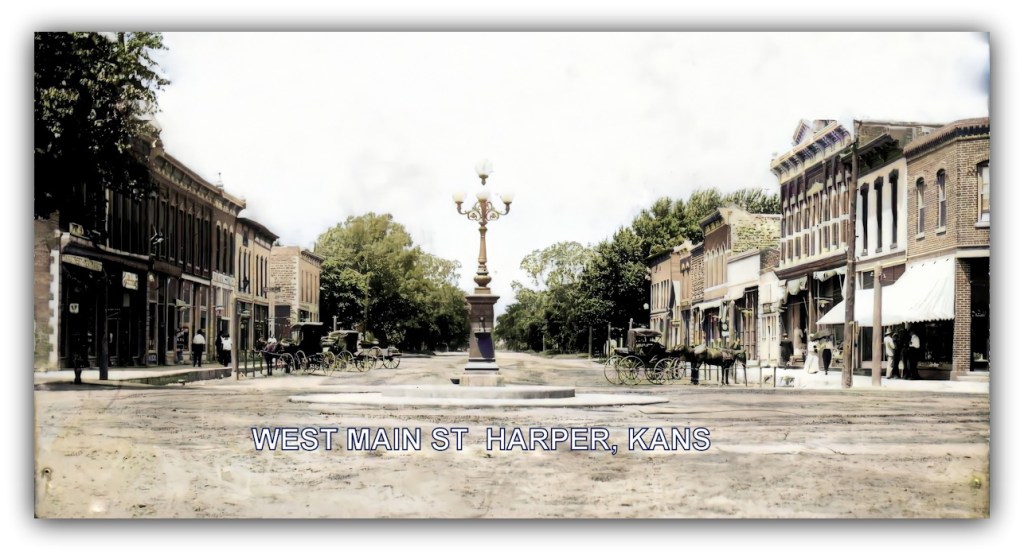
Maningers lived in Harper County in the 1890s. They spent their days cooking, farming, raising children, and doing countless other everyday chores. Most other people did too.
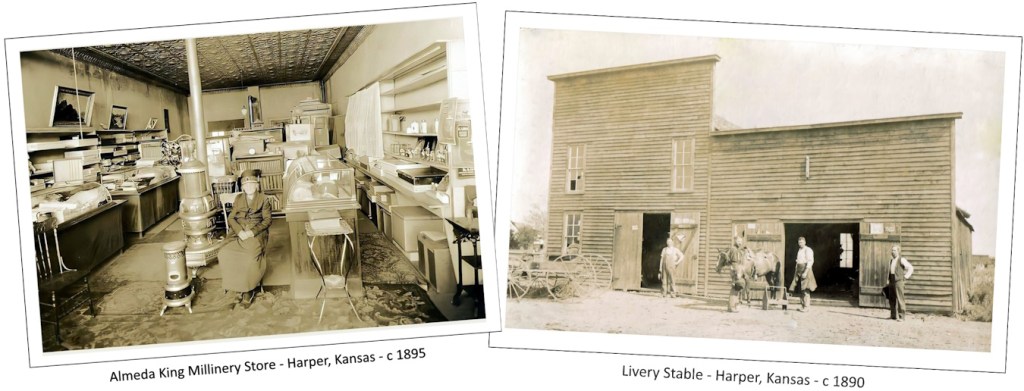
Now and then in the history of everyday lives, extraordinary events occur.
Continue reading Family Nibbles