As 1934 began, 25% of workers in the United States were unemployed. That was true in Kansas, and there were additional problems:
- Dust storms were causing crop failures
- Farmers were losing their farms
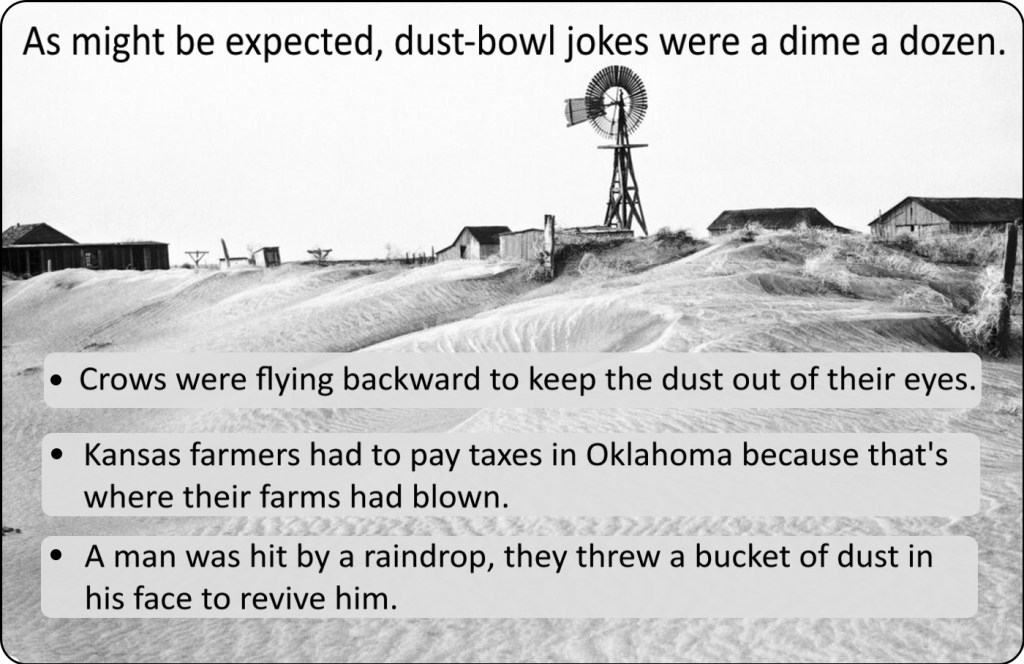
As 1934 began, 25% of workers in the United States were unemployed. That was true in Kansas, and there were additional problems:
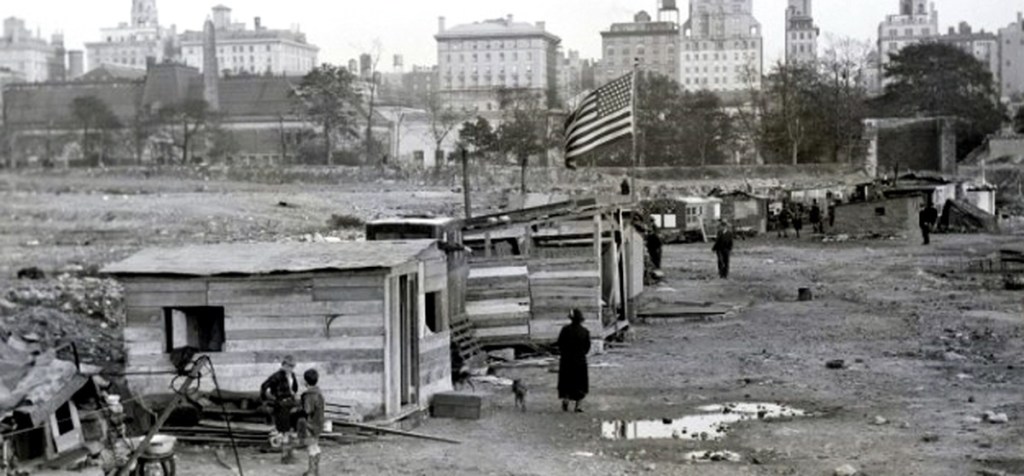
It’s hard for us to imagine the impact of the Great Depression on our ancestors’ communities. In Sedalia, Missouri, the Depression caused job losses, which caused housing and food emergencies.
Things were made worse by a multi-year drought that affected farmers and the food supply.
It’s just as hard to imagine the scope of the New Deal relief efforts in those communities. “Relief” wasn’t some abstract concept in faraway cities. It included food, money, and jobs for people in Sedalia and Pettis County.
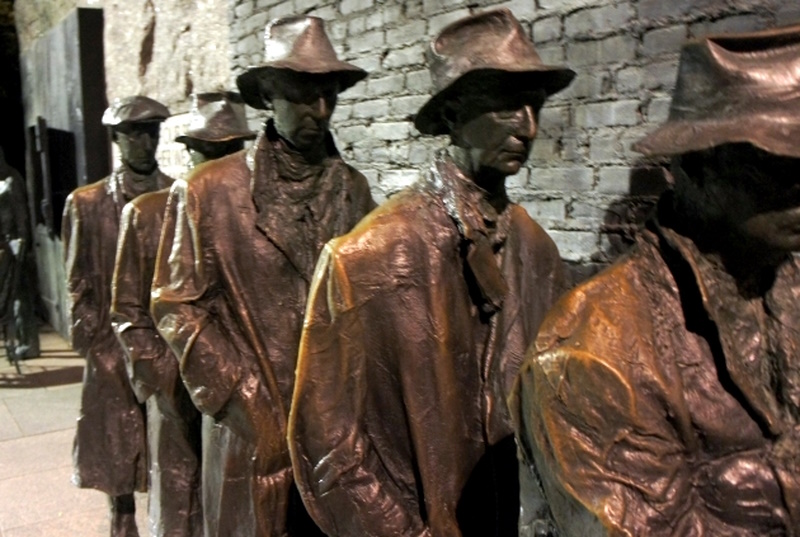
Things were still terrible, but there were glimmers of hope in 1933. The inflation rate turned positive at 1%, and GDP growth turned slightly positive by summer. But 2 million Americans were homeless. Industrial production was half of its 1929 high.
Unemployment was at its highest yet – 25%.
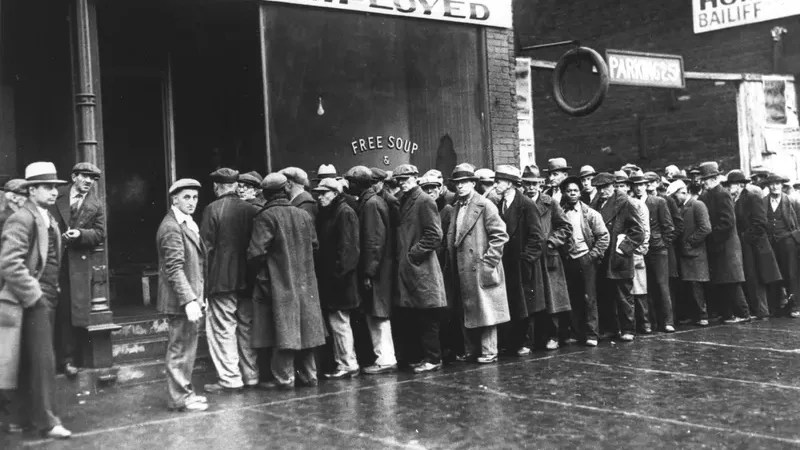
If there was a worse year in the Depression than 1931, it was 1932.
Unemployment rose to 23.6%. 13 million people, almost 1 in 4, were unemployed. Many had lost their savings, and many had lost their homes and farms.
The economy shrank another 13%.
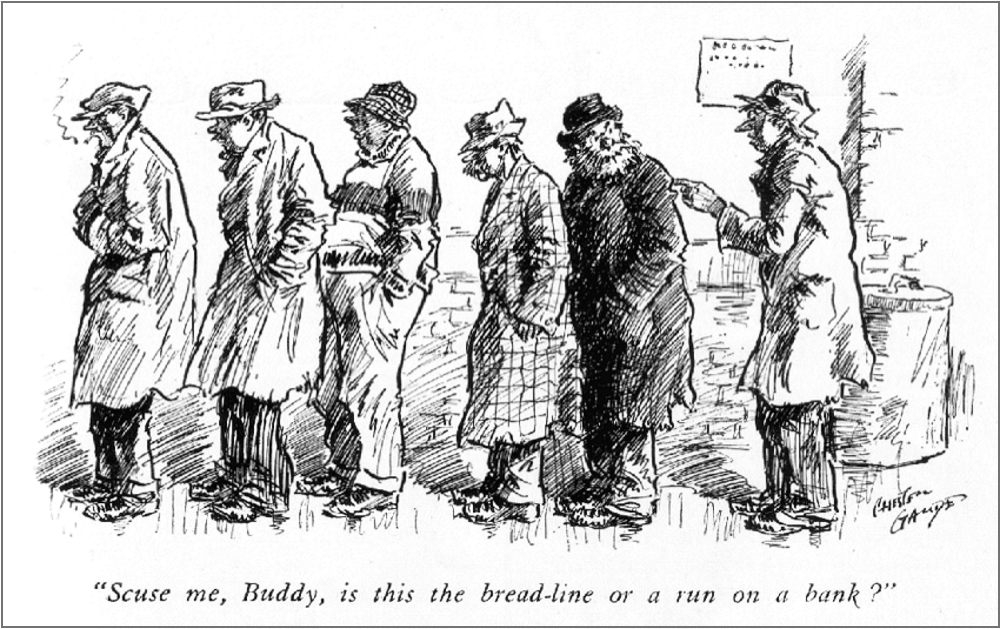
1931 was arguably one of the worst years of the Great Depression.
2,294 banks failed during 1931. 28,285 businesses failed.
Unemployment rose to 16%. The economy shrank by 8.5%. Prices fell 9.3%.
By 1931, most American had been impacted by the Depression, and realized that it wasn’t going away soon.
Tom and Mary Agnes Gallagher had married in April 1930. They were home from their wedding trip. Now it was back to everyday life – work, children, and family.
The stock market had crashed six months earlier. How did that affect our families in Sedalia and Junction City?


Tom Gallagher was the manager of Cole’s Women’s Shop. Mary Agnes Riley worked there.
Mary Agnes lived in her parents’ home at 1406 West Broadway. Tom and his children Kathleen and Buddy lived there too.
Tom and Mary Agnes spent a lot of time around each other.
There was talk.
Continue reading
1929, of all years, must have held the most highs and lows.
From booming business to the market crash, from birthday parties and romance to family deaths and car accidents, it was a year of contrasts.
Or, maybe, these things happen every year.
Continue readingCatherine Riley Gallagher died in October 1926. The shock of her death cast a pall on the Gallagher and Riley families. Christmas and New Year’s Eve 1926 were barely celebrated. 1927 dawned on a low note.

1926 delivered work, success, theft, birth, and death. Joy and Tragedy. Was it a “normal” year? Doesn’t that happen every year?
The ripple effect metaphor helps us remember that the closer we are to the center of the ripple splash, the more the events impact us. The ripple splashed very near in 1926.

 Family Nibbles