Charles Cheney’s neighbor Col. William Burgess had built a wharf on the South River and laid out some lots for a town. He named it London Town.
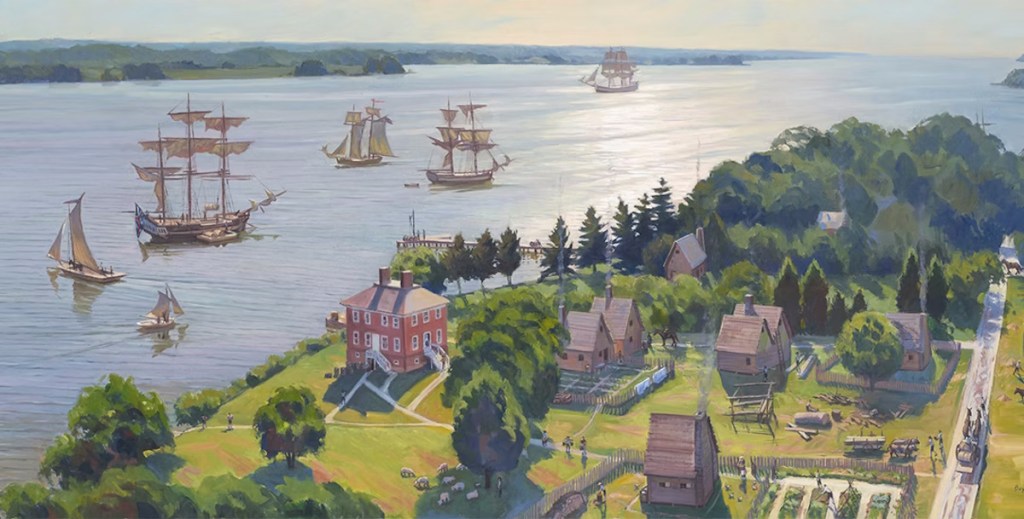
Charles Cheney’s neighbor Col. William Burgess had built a wharf on the South River and laid out some lots for a town. He named it London Town.
Charles Cheney and his family were second generation tobacco planters.
In 1700, tobacco was Maryland’s dominant cash crop, particularly in Southern Maryland, which was ideal for its growth with its suitable soil, ample rain, and river access for transportation.
The crop was so central to Maryland’s society that it was used as currency to pay taxes, debts, and even official salaries.

Nathan Jones had gone from a 23-year-old small town electrician to a regional utility magnate. He built a big company and made a fortune. He was a philanthropist. He had a model dairy farm and a stable of show horses and a private airplane.


Chleo Jarvis, age 32, had lost her husband. They had met in 1916 in Larned, when Ralph was 22 and Chleo 16. They married in December 1919, just over 11 years ago.
Chleo mourned her loss.
Continue reading
Did you hear? Ralph Jarvis died this afternoon.
He was out with the horses. He came into the house and told Chleo he didn’t feel well. He retired to the bedroom.
Shortly, he yelled for Chleo. He died at 3 o’clock.
Continue readingAre you sitting down? Did you hear about Ralph Jarvis? He’s not working for Nathan Jones.

In December 1930, a month after they returned from their trip to Longview, Ralph and Chleo Jarvis bought a farm on the southwest edge of Salina.

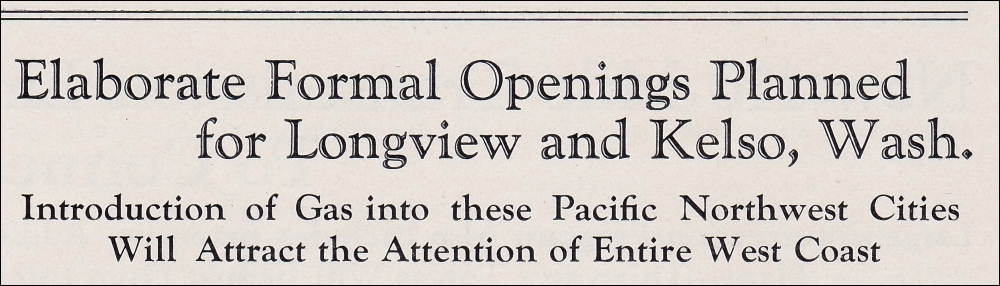
Here’s the story of another big deal in 1930. In October, a celebration was planned for the grand opening of the gas system in the city of Longview, Washington.
This was a high-profile utility for the Public Utility Investment Company, and the company was going all out for the grand opening.

The market had crashed in October 1929. But Nathan Jones’ empire had ambitious growth plans.
When the new year of 1930 dawned, there were big deals in the works.
Continue readingThe stock market soared throughout the Roaring Twenties. In August 1921, the Dow Jones Industrial Average was 63. By September 3, 1929, the Dow had risen to 381, an increase of more than 600%.
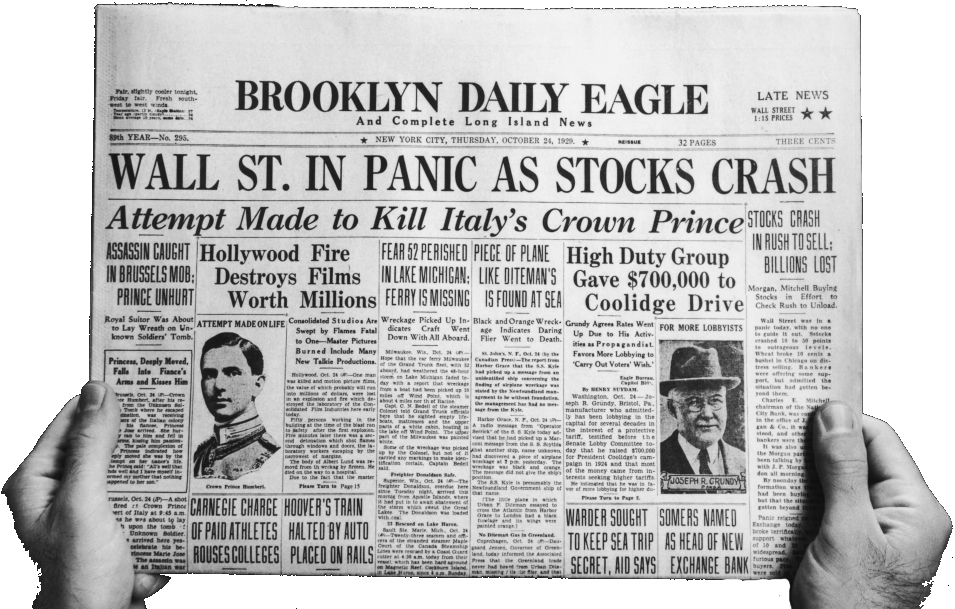
And then it crashed.
Continue reading Family Nibbles