By 1840, the Jarvises had been in Indiana for over fifteen years. Their family was growing. But Harvey and Sarah Jarvis were not permanently settled. They were on the move.
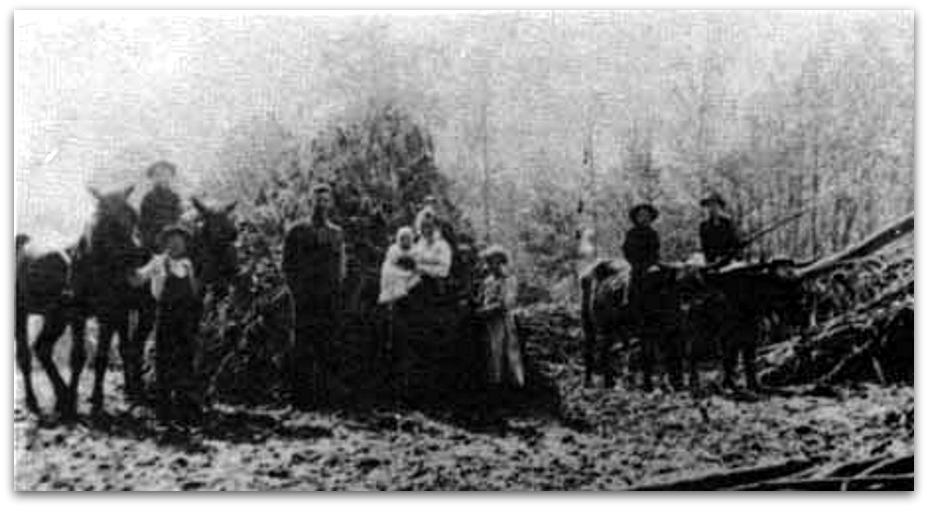
By 1840, the Jarvises had been in Indiana for over fifteen years. Their family was growing. But Harvey and Sarah Jarvis were not permanently settled. They were on the move.
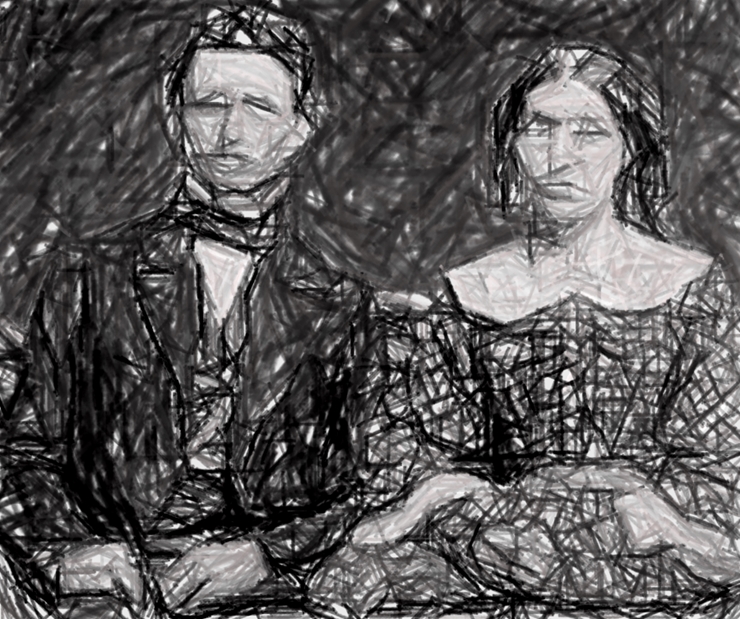
Harvey Jarvis and Sarah Elizabeth Robinson (4G) married in Pendleton County, Kentucky in 1822. Harvey was 19, Sarah was 20.
Sarah’s nickname was Sallie.
Three of Sarah’s siblings had married three of Harvey’s siblings.
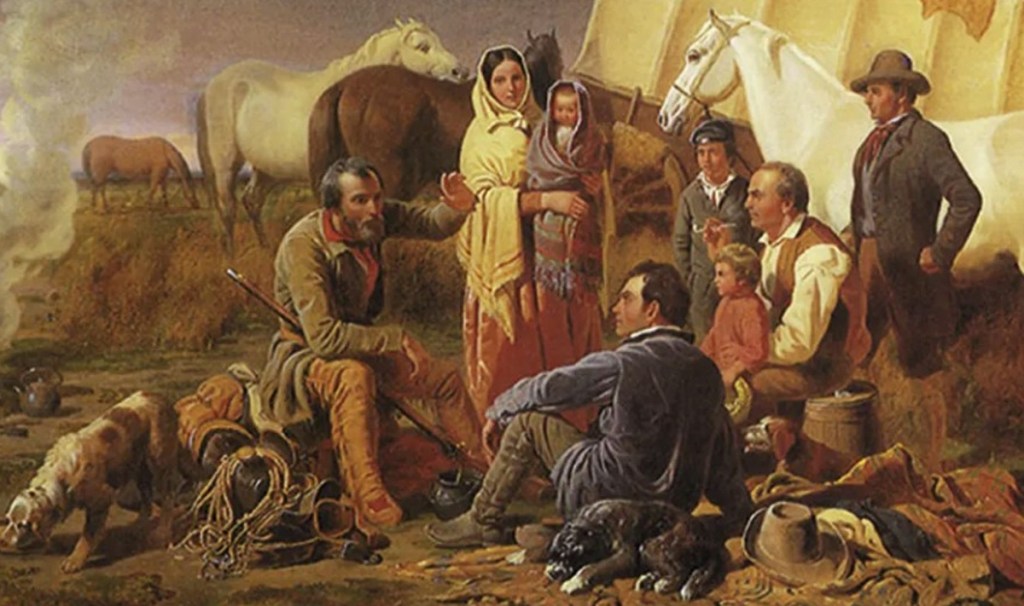
By 1820, several of William and Margaret Jarvis’ adult children had moved their families to Indiana. Where? Why?
Continue readingWilliam Jarvis died in January 1823. He was 62.
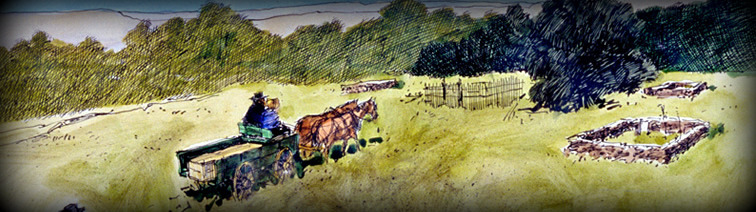
William’s wife Margaret (5G) survived him and was living on their farm on Fork Lick Creek. Harvey (4G), age 20, had just married in 1822. Most of the other children were married and living elsewhere.
We’ll catch up with the rest of the family in the next post. For now, let’s look at William Jarvis’ interesting life.
Continue reading
When William and Margaret arrived in Kentucky, there were almost no roads.
There were buffalo traces, Native American trails, and a few military cut roads.
Continue reading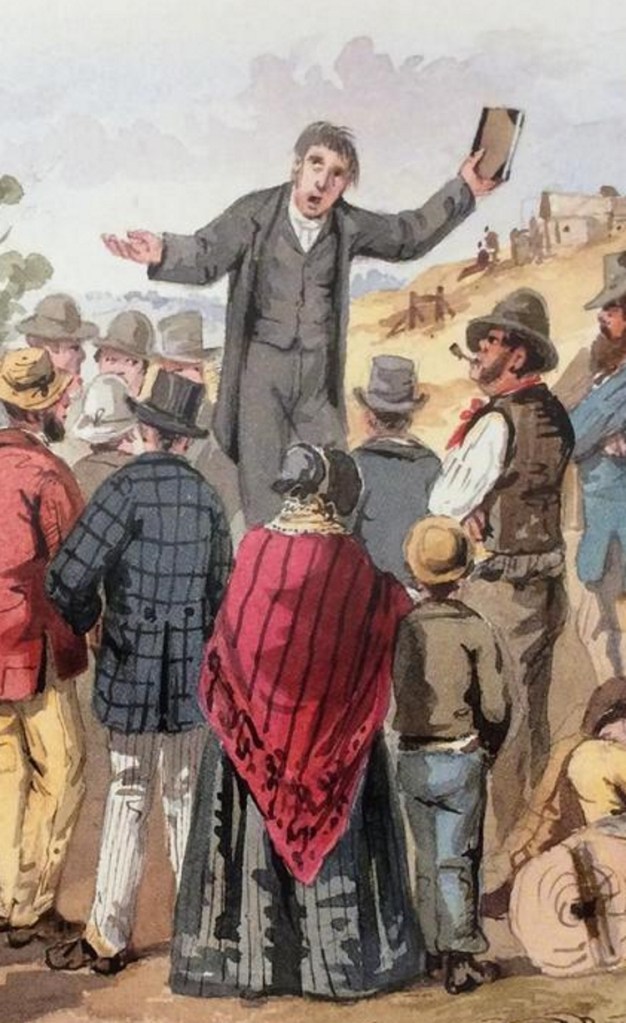
Continue readingChurch membership grew, but slowly, on the frontier.
Despite a large number of churchmen who crossed the mountains to save the sinful frontiersmen, less than one-third of Kentucky residents belonged to any religious denomination when it became a state.
Kentucky’s Story – KET Education
Neighbors were an important ingredient for the social life of the community. They offered help in farming and work and daily life.
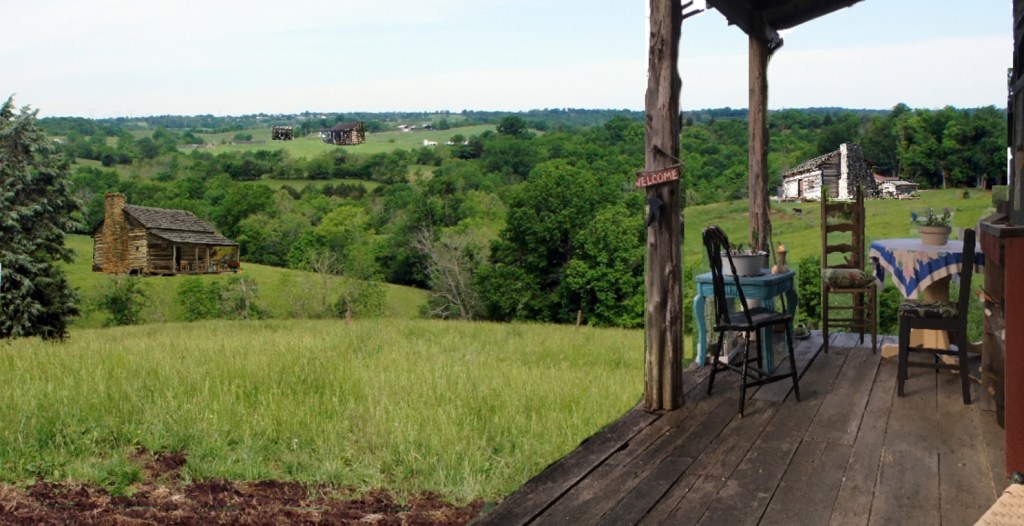
William and Margaret Jarvis paid 20 pounds for their 100 acre farm in 1813. Was that expensive? A bargain?
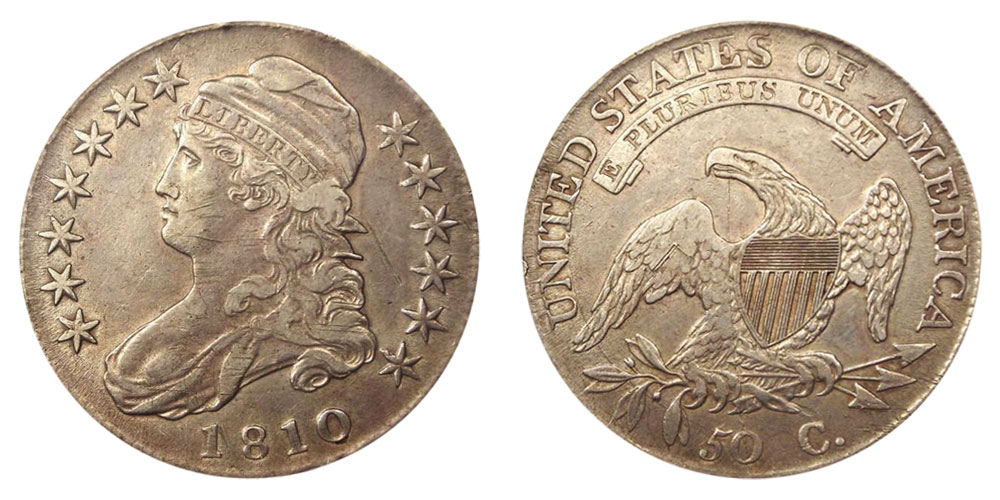
Jacob Wingate’s rifle sold for 9 dollars in 1811. Was that cheap?
Harvey Jarvis was a stone mason. How much was he paid?
Continue reading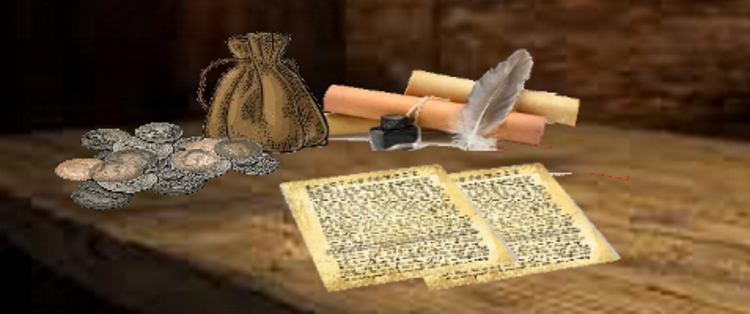
On July 12, 1813, William and Margaret bought the 100 acre farm from Samuel McMillan. The price was 20 pounds.
Continue reading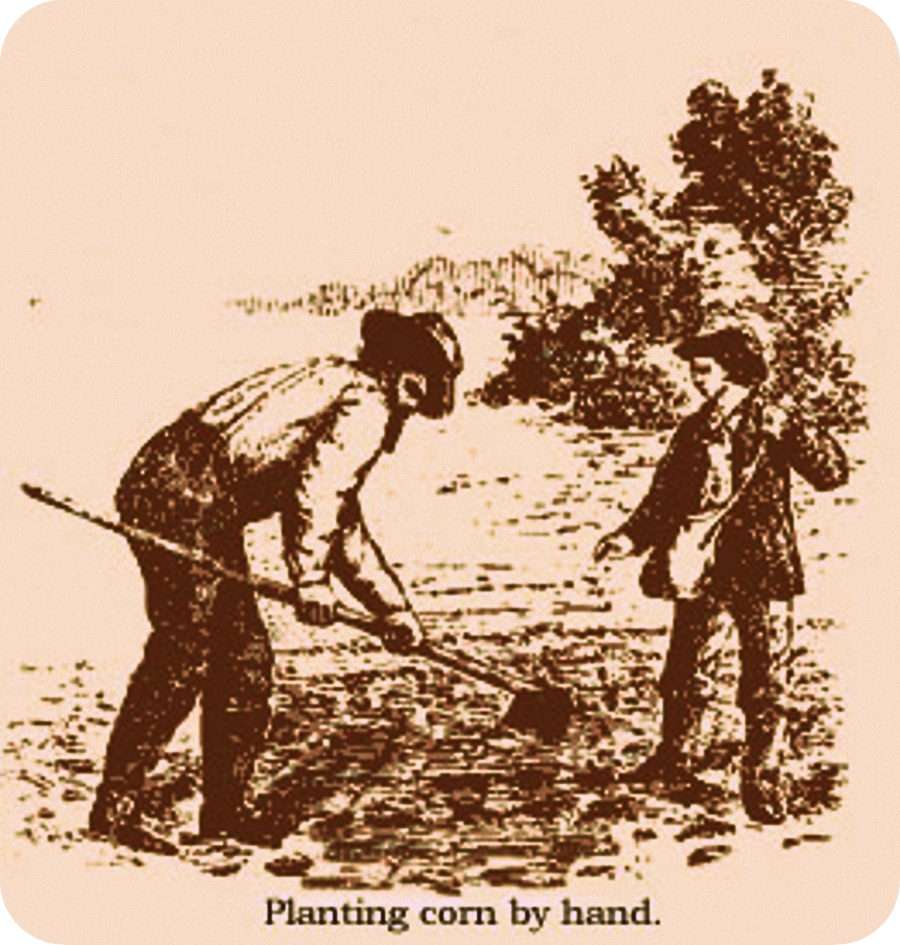
While the women and younger boys did all the domestic chores, the men and older boys worked the farm and livestock.
Continue reading Family Nibbles