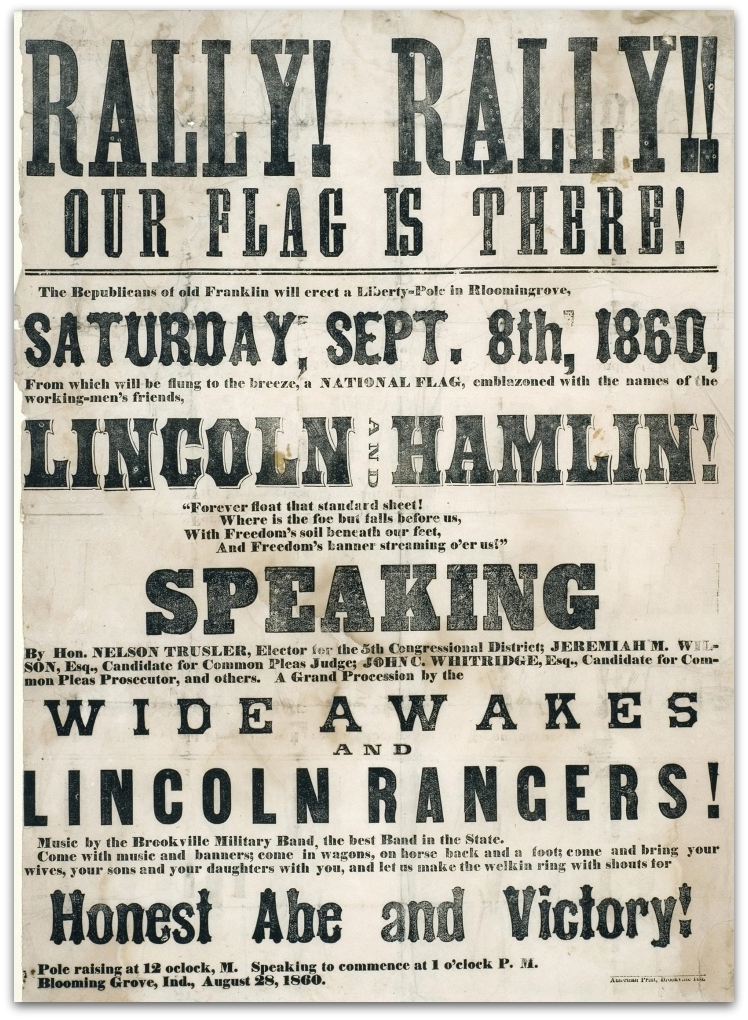
Indiana had become an agricultural and commercial success, with a population over 1.3 million. Like other northern states, Indiana’s interests and politics were at odds with the southern states.
By 1860, things were at a turning point.
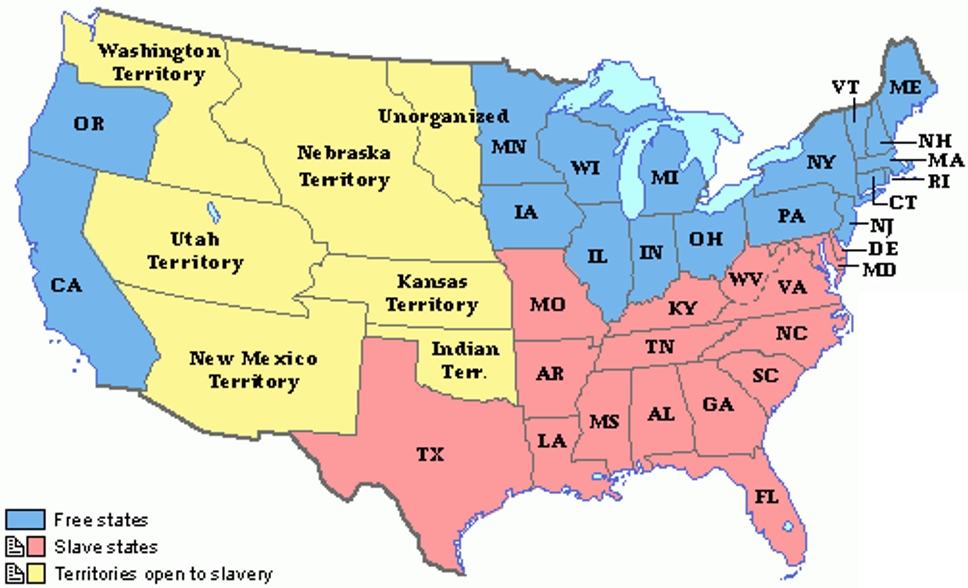
Indiana had become an agricultural and commercial success, with a population over 1.3 million. Like other northern states, Indiana’s interests and politics were at odds with the southern states.
By 1860, things were at a turning point.
Margaret Thompson Jarvis (5G) died on March 1, 1853. She was age 90. She led a pioneering life.
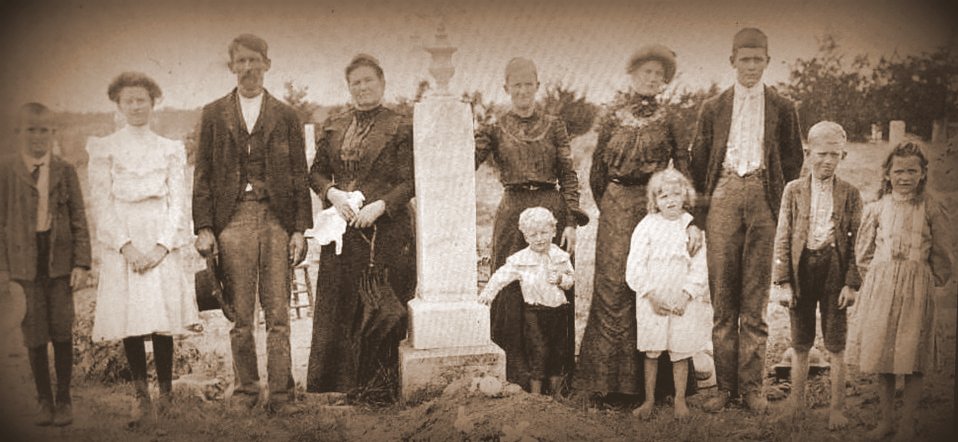
Joseph R. Jarvis married Martha Ann Buchanan on November 20, 1852. Joseph was age 22, Martha 17.

Continue readingBy the middle of the nineteenth century the pioneer era was nearly over. Hoosiers had cleared and planted most of Indiana’s land. Those who could afford it had built and moved into brick homes. Stores were built, and the new hoosiers bought shoes, underwear, and many other items.
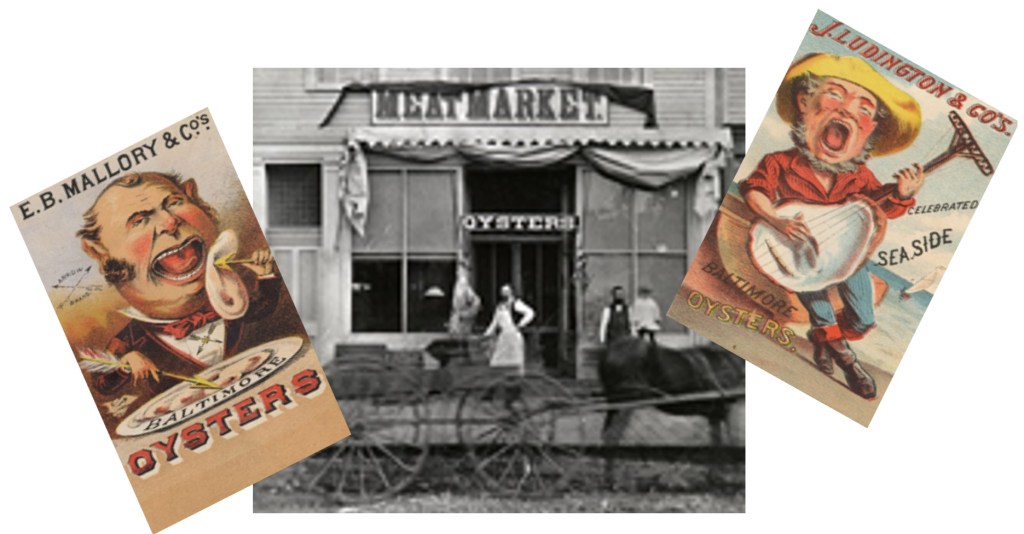
A cookbook published in New Albany in 1851 is suggestive of this emerging way of life in Indiana. It contains recipes for oysters and lemon punch.
Hoosiers and the American Story
By 1840, the Jarvises had been in Indiana for over fifteen years. Their family was growing. But Harvey and Sarah Jarvis were not permanently settled. They were on the move.
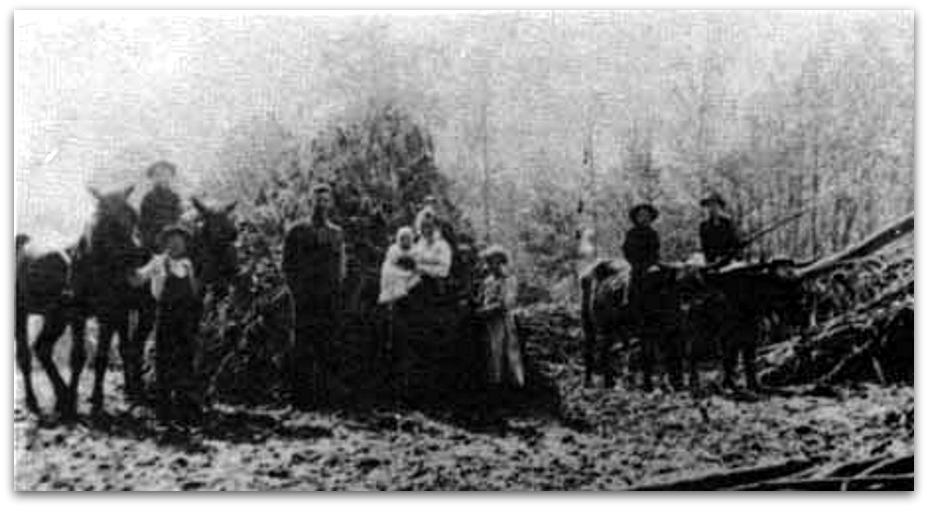
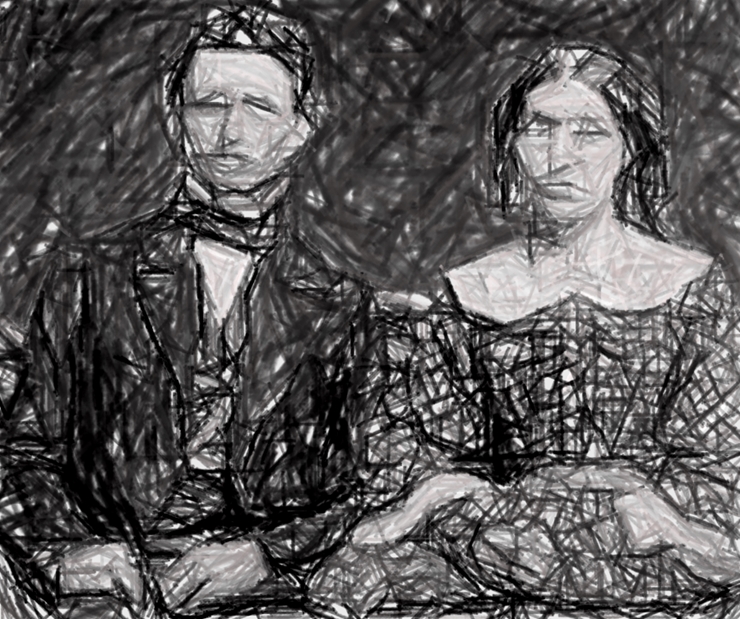
Harvey Jarvis and Sarah Elizabeth Robinson (4G) married in Pendleton County, Kentucky in 1822. Harvey was 19, Sarah was 20.
Sarah’s nickname was Sallie.
Three of Sarah’s siblings had married three of Harvey’s siblings.
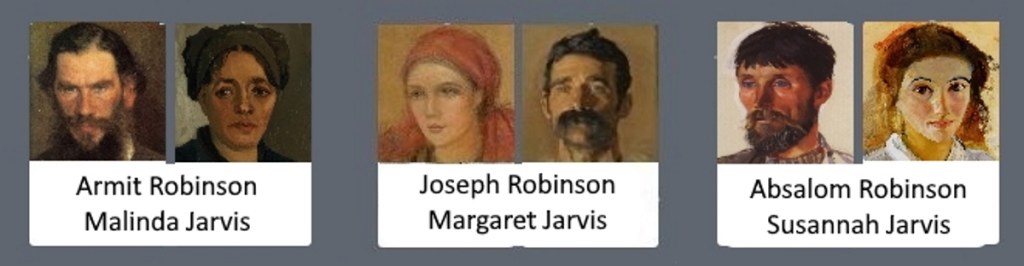
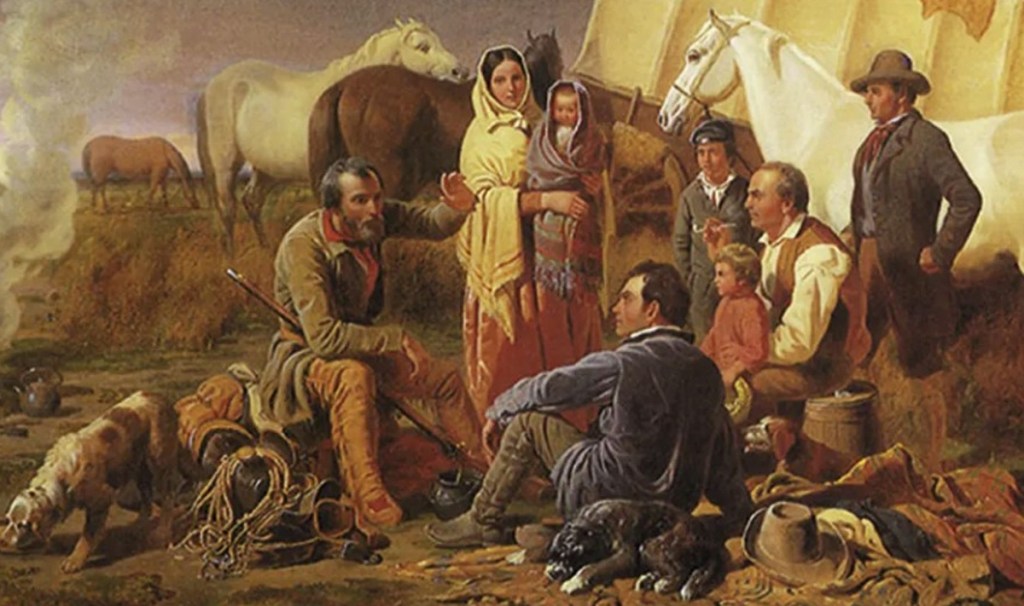
By 1820, several of William and Margaret Jarvis’ adult children had moved their families to Indiana. Where? Why?
Continue readingWilliam Jarvis died in January 1823. He was 62.
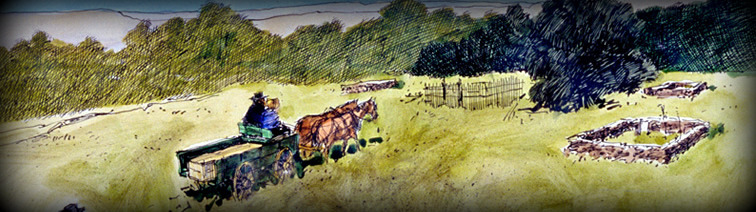
William’s wife Margaret (5G) survived him and was living on their farm on Fork Lick Creek. Harvey (4G), age 20, had just married in 1822. Most of the other children were married and living elsewhere.
We’ll catch up with the rest of the family in the next post. For now, let’s look at William Jarvis’ interesting life.
Continue reading
When William and Margaret arrived in Kentucky, there were almost no roads.
There were buffalo traces, Native American trails, and a few military cut roads.
Continue reading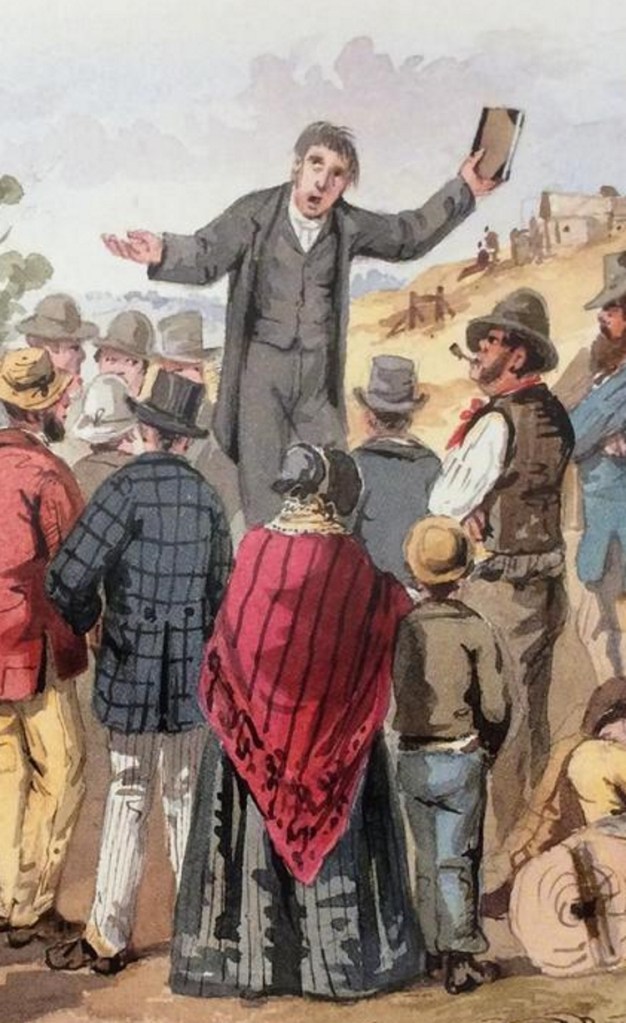
Continue readingChurch membership grew, but slowly, on the frontier.
Despite a large number of churchmen who crossed the mountains to save the sinful frontiersmen, less than one-third of Kentucky residents belonged to any religious denomination when it became a state.
Kentucky’s Story – KET Education
 Family Nibbles