Author: Mark Jarvis
137 – The Civil War Letter

My mother had many eclectic interests, like books, cooking, gardening, sports, English language, and Italy. She also liked history and antiques. She had an eye for interesting and unique objects.
Continue reading136 – The Civil War in Indiana
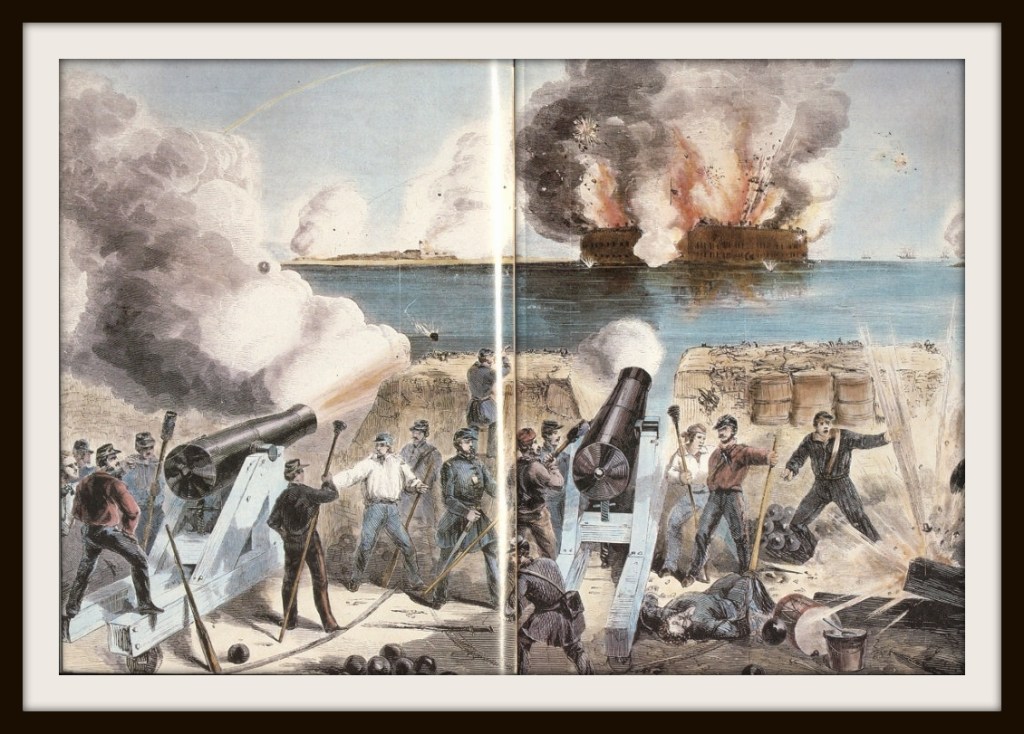
South Carolina seceded from the Union in December 1860. It demanded that the U.S. Army leave Charleston.
When that didn’t happen, the South Carolina militia bombarded U.S. troops in Fort Sumter on April 12 and 13, 1861.
The American Civil War had begun.
Continue reading135 – 1860
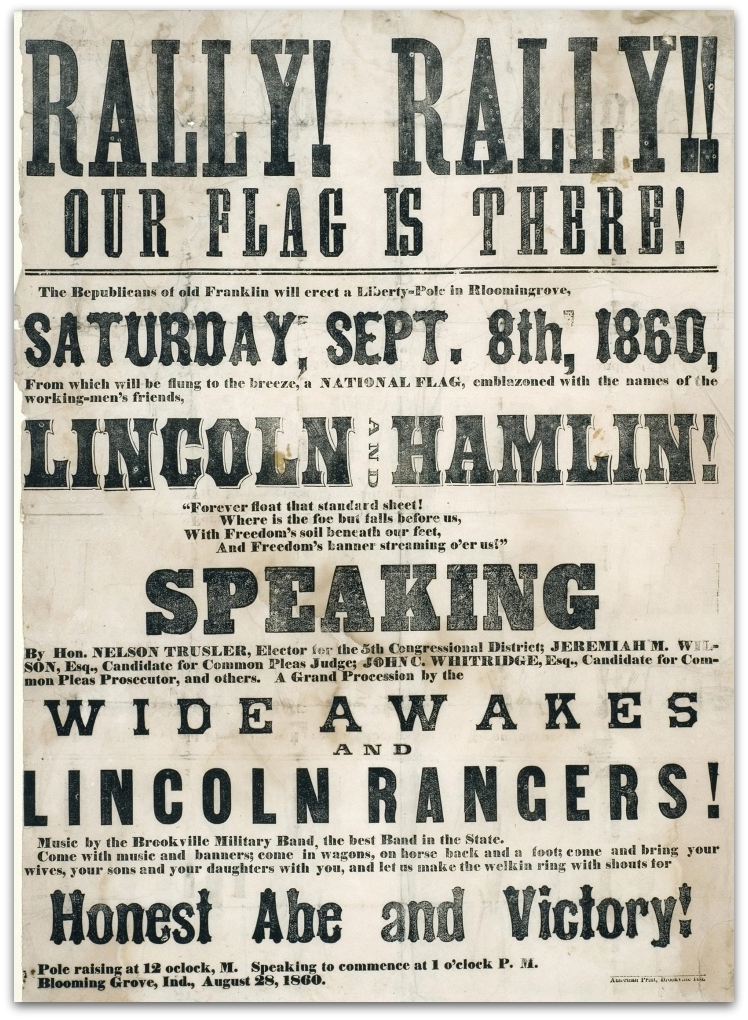
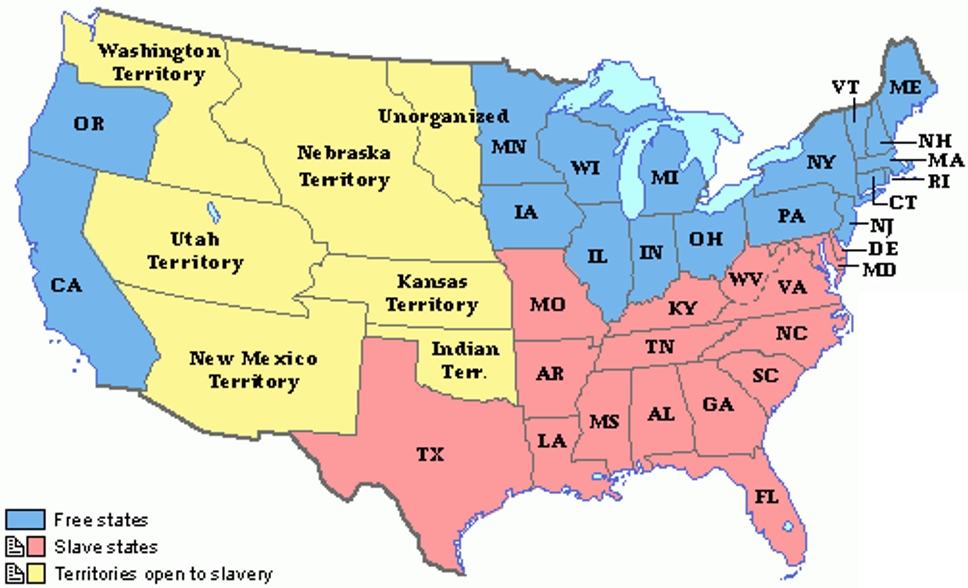
Indiana had become an agricultural and commercial success, with a population over 1.3 million. Like other northern states, Indiana’s interests and politics were at odds with the southern states.
By 1860, things were at a turning point.
134 – Margaret Thompson Jarvis 1762-1853
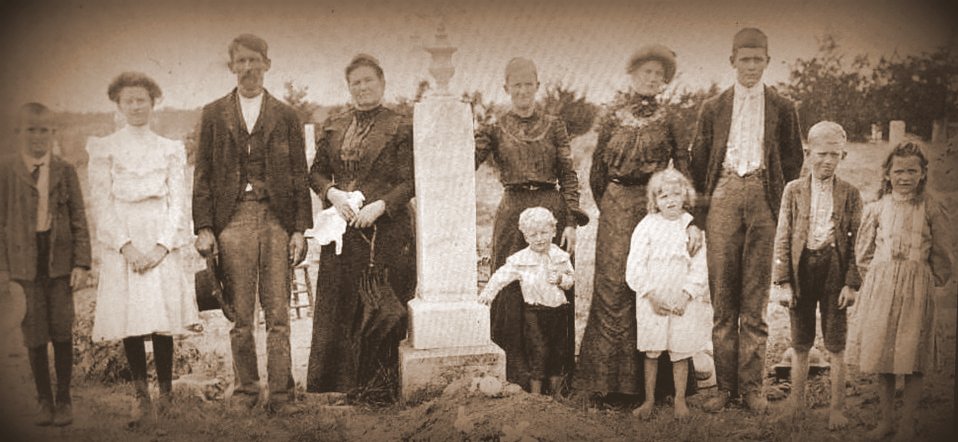
Margaret Thompson Jarvis (5G) died on March 1, 1853. She was age 90. She led a pioneering life.
133 – Joseph Jarvis and Martha Buchanan
Joseph R. Jarvis married Martha Ann Buchanan on November 20, 1852. Joseph was age 22, Martha 17.

132 – Modern Times 1850s
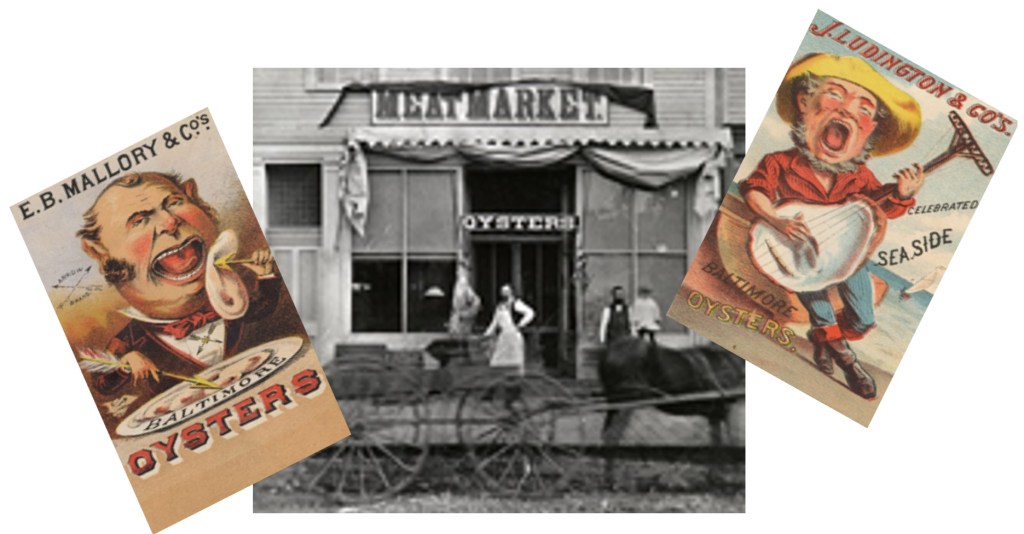
Continue readingBy the middle of the nineteenth century the pioneer era was nearly over. Hoosiers had cleared and planted most of Indiana’s land. Those who could afford it had built and moved into brick homes. Stores were built, and the new hoosiers bought shoes, underwear, and many other items.
A cookbook published in New Albany in 1851 is suggestive of this emerging way of life in Indiana. It contains recipes for oysters and lemon punch.
Hoosiers and the American Story
131 – A Difficult Farm 1840s
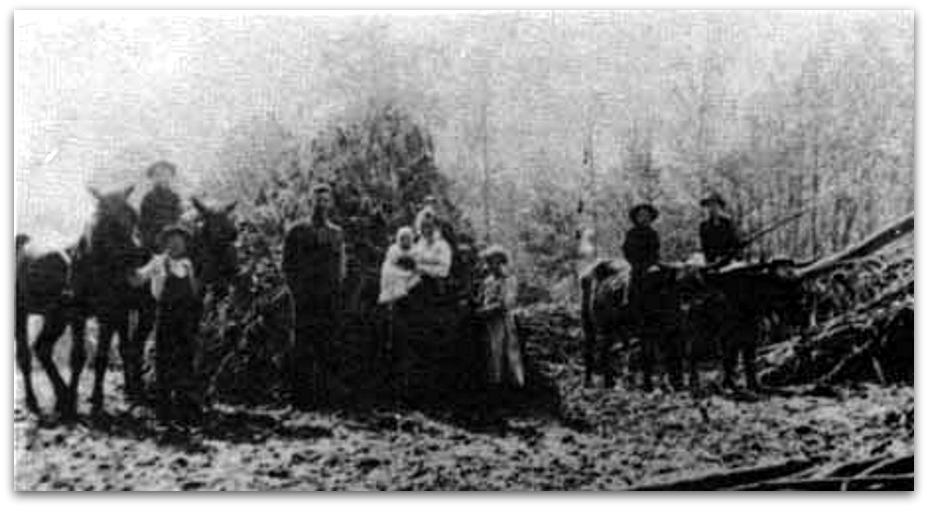
By 1840, the Jarvises had been in Indiana for over fifteen years. Their family was growing. But Harvey and Sarah Jarvis were not permanently settled. They were on the move.
130 – Harvey Jarvis and Sarah Robinson 1830s
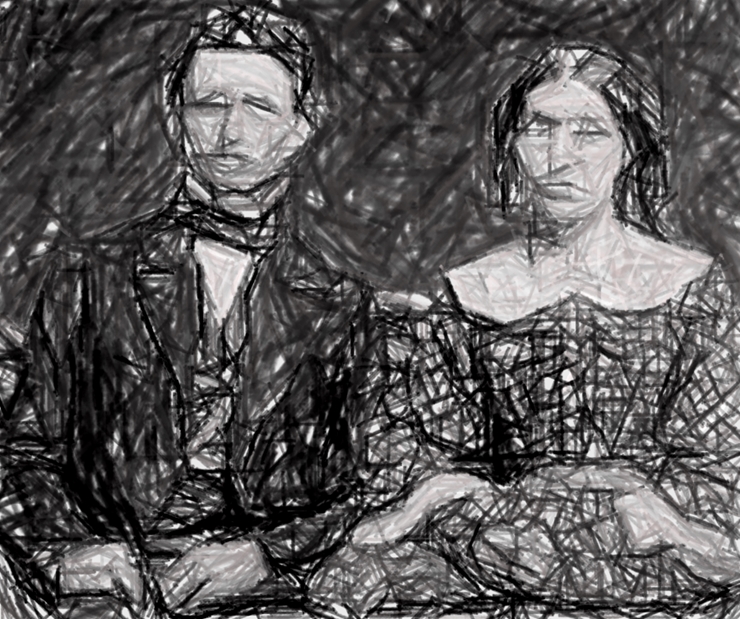
Harvey Jarvis and Sarah Elizabeth Robinson (4G) married in Pendleton County, Kentucky in 1822. Harvey was 19, Sarah was 20.
Sarah’s nickname was Sallie.
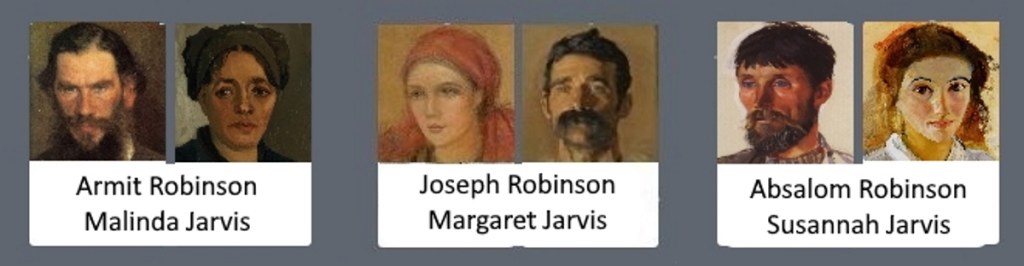
Three of Sarah’s siblings had married three of Harvey’s siblings.
129 – Let’s Go West – To Indiana
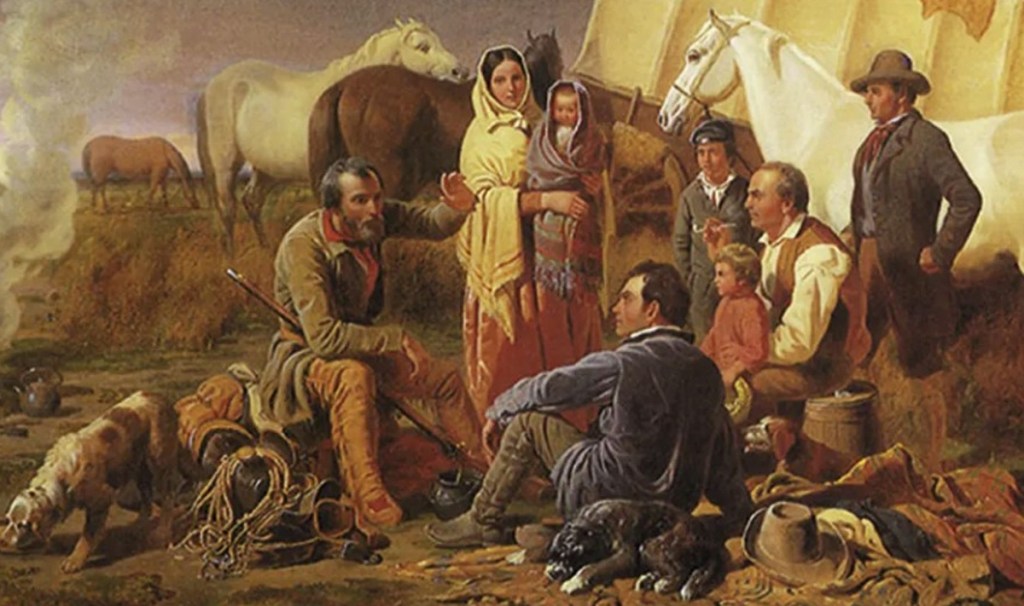
By 1820, several of William and Margaret Jarvis’ adult children had moved their families to Indiana. Where? Why?
Continue reading
