
England
78 – Admiral John and Meaford
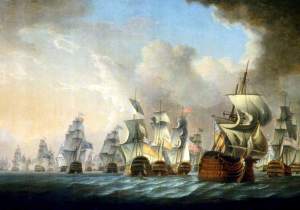
Continue readingThe British and Spanish fleet sighted one another at dawn on February 14, 1797. The British fleet had fifteen line-of-battle ships against twenty-four Spanish ships.
77 – Louise’s Family, 1600s

Celia continued to discover Louise’s Jervis ancestors, pushing the brick wall back into the 1600s. These generations could provide a link to our elusive Elizabeth.
- Thomas Jervis (6G) b. 1653 m. Alice Lewis
- Thomas Jervis (7G) b. 1620 m. Margery
- Thomas Jervis (8G) b. 1575 m. Margaret
76 – Louise’s Family, George and Tom

Celia had broken through the brick wall. Earlier generations of Louise’s Jervises began to reveal themselves.
- George Jervis (4G) b. 1728 m. Elizabeth
- Thomas Jervis (5G) b. 1688 m. Margaret Pitchford
75 – Jervis, Wedgwood, and Darwin

74 – Louise’s Family, Oh Henry
Let’s continue our look at Louise’s Jervis family, this time two generations of Henrys:

- Henry Jervis (1G) b. 1848 m. Rosa McDonald
- Henry Jervis (2G) b. 1819 m. Ann Millington
73 – Louise’s Family, Dear John
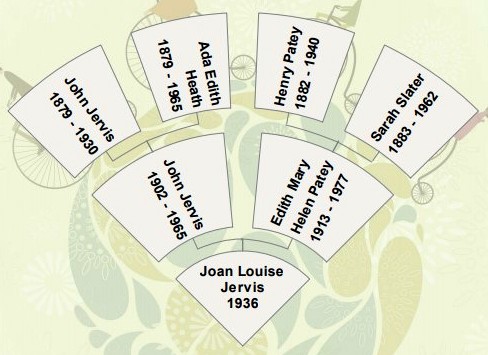
Let’s have a look at the first two generations of Louise’s Jervis ancestors, her parents and grandparents, both Johns:
- John Jervis (F) b. 1902 m. Edith Mary Helen Patey
- John Jervis (G) b. 1878 m. Ada Edith Heath
72 – Louise’s Jervis Jump Start
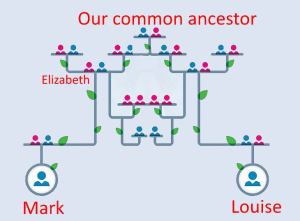
If we could trace Louise’s Jervis family back far enough, we would eventually find our common grandparent.
And if we did find that ancestor, we could perhaps trace forward to find our Elizabeth.
Continue reading71 – Jarvis or Jervis or Gervis or ?
As you’ve seen, there are a variety of spellings for Jarvis.
Jarvis, Jarvais, Jervis, Jervais, Gervis, Gervaise, Gervace, Jarvice, etc.
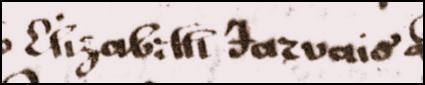
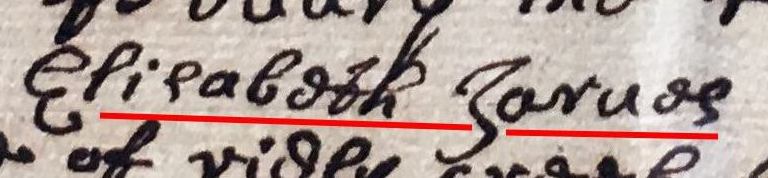
Can we come up with the definitive form? Did Elizabeth use only Jarvis, or could she have used any of these other spellings?
Continue reading70 – Elizabeth Search Redux

In May 2018, Celia Cotton offered to help me reboot my search for Elizabeth Jarvis in England.
At the time, I didn’t know about the DNA match with Louise Longworth. So all Celia had to go on was our “problem statement”.
Continue reading Family Nibbles